Medora Dental Care

Uncategorized

How Do Dental Implants Work? Complete Step-by-Step Process

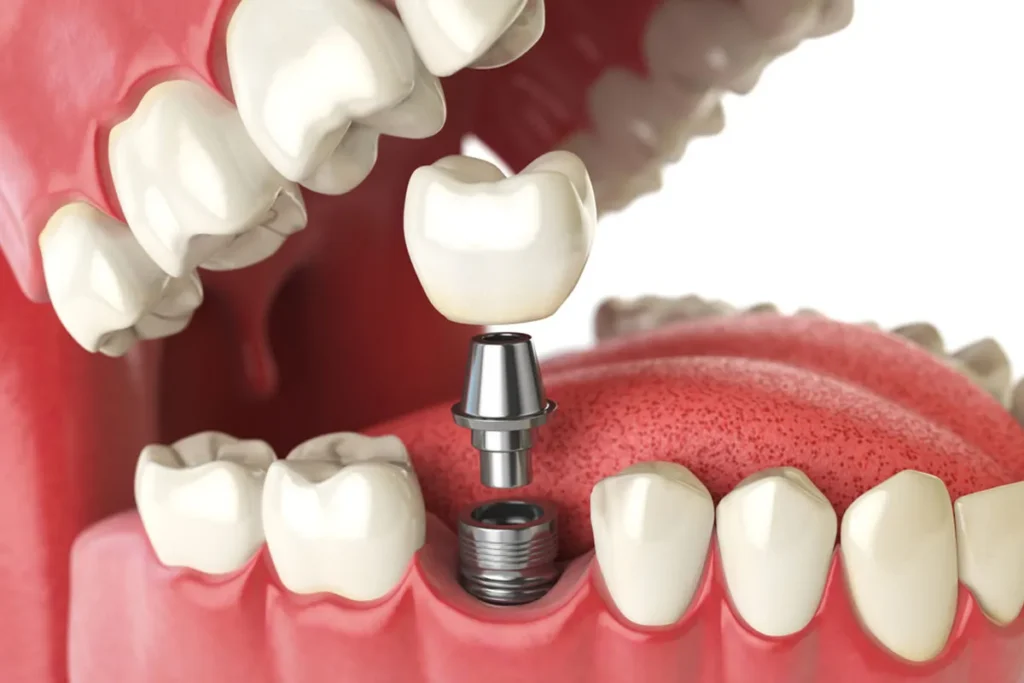
Missing teeth can affect not just your smile but also your confidence, speech, and overall oral health. Thankfully, modern dentistry offers a long-lasting solution—dental implants. But many people still wonder how dental implants work and whether the procedure is right for them. In this comprehensive guide, we’ll break down the step-by-step dental implant process, explain the healing stages, and help you understand what to expect from start to finish. What Are Dental Implants and How Do They Work? Before diving into the process, it’s important to understand what dental implants are and how they work. Dental implants are advanced tooth replacement solutions designed to mimic natural teeth in both function and appearance. A typical implant consists of three main components: The key to understanding how dental implants work lies in a biological process called jawbone integration (osseointegration). During this phase, the titanium implant fuses with your jawbone, creating a strong and stable foundation for the new tooth. This makes dental implants one of the most reliable tooth replacement options available today. Many patients also ask, are dental implants safe and how do they work—and the answer is yes, they are considered a safe and predictable solution when performed by experienced professionals. Step-by-Step Dental Implant Process (Complete Guide) If you’re curious about how do dental implants work step by step, here’s a detailed breakdown of the dental implant surgery steps and overall treatment journey. Step 1 – Initial Consultation and Evaluation The process begins with a detailed dental examination. Your dentist will assess your oral health, take X-rays or 3D scans, and determine whether you’re a suitable candidate. This stage answers the common question: Who is a good candidate for dental implants? Ideal candidates typically have: Step 2 – Tooth Extraction (If Needed) If you have a damaged or decayed tooth, it may need to be removed before starting the dental implants procedure. This is a routine oral surgery procedure that prepares your mouth for implant placement. Step 3 – Bone Grafting (If Required) Not all patients need this step, but if your jawbone lacks sufficient strength, a bone graft may be recommended. This helps create a stable base for the implant. Healing from bone grafting can take a few months and plays a crucial role in the overall dental implant treatment stages. Step 4 – Placement of Titanium Implant Post This is the most critical stage in understanding how dental implants are placed in jaw. During this procedure: This step is a core part of the dental implant surgery steps and is typically done under local anesthesia. Step 5 – Healing & Osseointegration After the implant is placed, your body begins the dental implant healing process. Over the next few months: This stage is essential to ensure long-term success and durability. Step 6 – Abutment Placement Once healing is complete, an implant abutment is attached to the implant post. This small connector holds the crown securely in place. Step 7 – Dental Crown Placement Finally, a custom-made crown is placed on top of the abutment. This completes the step by step dental implant process, restoring both function and aesthetics. Dental Implant Procedure Timeline – How Long Do Dental Implants Take? One of the most common questions patients ask is: how long do dental implants take? The dental implant procedure timeline can vary depending on individual cases, but here’s a general estimate: Overall, the answer to how long does dental implant process take from start to finish is typically 3 to 9 months, depending on complexity. Dental Implant Recovery Time & Healing Process Understanding the dental implant recovery time is crucial for proper planning. After surgery: Proper aftercare, including oral hygiene and regular check-ups, can significantly speed up recovery. What Happens During Dental Implant Surgery? If you’re wondering what happens during dental implant surgery, here’s a simple explanation: Patients often worry about the dental implant procedure pain level, but most report minimal discomfort—similar to a tooth extraction. Are Dental Implants Safe? Benefits & Risks A common concern is: are dental implants safe and how do they work in the long term? Dental implants have a high success rate (over 95%) and offer several benefits: Benefits: Risks (rare): With proper care, implants are a safe and reliable option. Benefits of Dental Implants Over Other Tooth Replacement Options Compared to traditional tooth replacement options like dentures or bridges, implants offer: This is why they are considered the gold standard in modern dentistry. Who Is a Good Candidate for Dental Implants? You may be a good candidate if you: Your dentist will evaluate your condition before recommending treatment. How Many Stages Are in Dental Implants? The full dental implant treatment stages typically include: How Long Does a Dental Implant Last? With proper care, dental implants can last 15–25 years or even a lifetime. Regular dental visits and good oral hygiene are key to longevity. Is Dental Implant Surgery Painful? Many patients ask, Is dental implant surgery painful? The procedure itself is painless due to anesthesia. Post-surgery discomfort is manageable with medication and usually subsides within a few days. FAQs About Dental Implants What are dental implants and how do they work? Dental implants are artificial tooth roots placed in the jawbone to support replacement teeth through osseointegration. Is dental implant surgery painful? No, the procedure is done under anesthesia, and discomfort is minimal afterward. How many stages are in dental implants? There are typically 6–7 stages in the complete process. How long does a dental implant last? With proper care, implants can last decades or even a lifetime. Who is a good candidate for dental implants? Anyone with healthy gums and sufficient bone density is usually a good candidate. Final Thoughts – Is the Dental Implant Process Worth It? Now that you understand how dental implants work, it’s clear why they are one of the most effective and long-lasting solutions for missing teeth. From the dental implant surgery steps to the healing process, every stage is designed to provide a durable, natural-looking result.
Cheap vs Quality Dental Implants in Abbotsford: What to Choose
Uncategorized

Cheap vs Quality Dental Implants in Abbotsford: What to Choose

When it comes to restoring your smile, many patients today are searching for affordable dental implants Abbotsford without sacrificing quality. Dental implants are one of the most effective and long-lasting solutions for missing teeth, but the wide range of pricing options often leaves people confused. Should you go for cheap dental implants Abbotsford, or invest in quality dental implants Abbotsford for long-term benefits? Understanding the difference between cost and value is crucial before making a decision. In this guide, we’ll break down everything you need to know about dental implants Abbotsford BC, including pricing, quality, risks, and how to choose the best option for your needs. What Are Dental Implants? Dental implants are artificial tooth roots that are surgically placed into your jawbone to support replacement teeth such as crowns, bridges, or dentures. They are widely considered one of the best dental restoration options available today. A dental implant typically consists of three parts: One of the key reasons implants are so popular is their excellent dental implant durability and high implant success rate. With proper care, quality implants can last decades. The implant materials quality also plays a major role in how long your implant will last. High-quality materials like titanium are known for their strength and biocompatibility, making them ideal for long-term use. Understanding Cheap Dental Implants Many clinics advertise low cost dental implants BC to attract patients looking for budget-friendly solutions. While these options may seem appealing, it’s important to understand what you’re actually getting. Cheap dental implants Abbotsford are often priced lower due to: This raises an important question: are cheap dental implants safe in Abbotsford? The answer depends on the provider. While some clinics offer genuine affordability, others cut corners, which can increase the risks of low cost dental implants, including: So while the initial tooth implant cost Abbotsford may be lower, the long-term costs can be significantly higher if complications arise. What Defines Quality Dental Implants? On the other hand, quality dental implants Abbotsford focus on long-term success rather than short-term savings. These are often referred to as premium dental implants Abbotsford, and they come with several advantages. Key features include: Quality implants offer better implant success rate, improved aesthetics, and enhanced comfort. They are designed to last longer and integrate seamlessly with your natural teeth. Cheap vs Expensive Dental Implants: Key Differences When comparing cheap vs expensive dental implants, it’s essential to look beyond the price tag. Difference Between Cheap and Quality Dental Implants Factor Cheap Implants Quality Implants Materials Lower quality High-grade titanium/zirconia Longevity Short-term Long-lasting Success Rate Lower Higher Comfort May cause issues Natural feel Cost Over Time Higher (repairs) Cost-effective The difference between cheap and quality dental implants often comes down to durability and reliability. While cheap options may save money upfront, premium solutions provide better value over time. This is where the debate of budget dental implants vs premium becomes important. Investing in quality can prevent future complications and additional expenses. Cost of Dental Implants in Abbotsford The cost of dental implants Abbotsford can vary widely depending on several factors. On average, the dental implant pricing Abbotsford may include: The total tooth implant cost Abbotsford can range from affordable to premium pricing based on complexity. What Affects Dental Implant Cost in Abbotsford BC? Several factors influence pricing, including: Understanding what affects dental implant cost in Abbotsford BC helps you make a more informed decision. Are Cheap Dental Implants Worth It? Many patients ask: are cheap dental implants worth it? The answer depends on your expectations. While cheap dental implants vs high quality implants pros and cons vary, cheaper options often come with risks. You may save money initially, but consider: In many cases, paying slightly more upfront for affordable dental implants Abbotsford that maintain quality can save you money in the long run. Benefits of Choosing Quality Implants Choosing best dental implants Abbotsford offers several advantages: These long-term dental implant benefits make quality implants a smart investment for your oral health. How to Choose the Best Dental Implants in Abbotsford If you’re wondering how to choose the best dental implants in Abbotsford, here are some tips: 1. Research Dental Implant Clinics Look for reputable dental implant clinics Abbotsford with positive reviews. 2. Check Experience Choose the best dentist for dental implants Abbotsford with proven expertise. 3. Ask About Materials Ensure high implant materials quality is used. 4. Compare Pricing Understand affordable vs quality dental implants rather than choosing the cheapest option. 5. Consultation Matters A good clinic will explain your options clearly and transparently. Finding the best affordable dental implant clinic in Abbotsford means balancing cost with quality. Affordable Dental Implants Without Compromising Quality The good news is that you don’t have to choose between cheap and expensive. Many clinics now offer affordable dental implants without compromising quality. Here’s how: Choosing affordable dental implants Abbotsford from a reputable provider ensures you get both value and durability. Final Verdict: Cheap or Quality – What Should You Choose? When deciding between cheap and premium options, it’s clear that quality matters. While cheap dental implants Abbotsford may seem attractive, they often come with risks. On the other hand, quality dental implants Abbotsford provide long-term benefits, better performance, and peace of mind. The best approach is to choose affordable dental implants Abbotsford that maintain high standards—giving you the perfect balance of cost and quality. FAQs About Dental Implants in Abbotsford 1. Are cheap dental implants worth it? They may save money initially, but often come with higher long-term risks and costs. 2. How much do dental implants cost in Abbotsford? The cost of dental implants Abbotsford varies depending on materials, complexity, and clinic expertise. 3. What is the cheapest dental implant option? Basic implants with minimal procedures are the cheapest, but may lack durability. 4. Do expensive dental implants last longer? Yes, quality dental implants Abbotsford typically offer better longevity and success rates. 5. Can cheap dental implants fail? Yes, especially if low-quality materials or poor techniques are used. Conclusion Choosing between

Dental Extraction, Sedation

Sedation Dentistry in Abbotsford BC – How We Help Anxious Patients Smile Again

If the sound of a dental drill makes your heart race, if you’ve cancelled dental appointments more times than you can count, if you’ve been putting off needed care for years because of fear — you are absolutely not alone. Dental anxiety affects an estimated 36% of adults. Some people experience it as mild nervousness; for others, it’s a full-blown phobia that keeps them from getting care they desperately need. The result? Worsening dental problems, increasing pain, and a cycle that makes the eventual dentist visit even more daunting. At Medora Dental Care in Abbotsford, we’ve built our entire practice culture around one mission: making dentistry gentle, compassionate, and — for the patients who need it — completely relaxed through our sedation dentistry options. What Is Sedation Dentistry? Sedation dentistry uses medication to help patients relax during dental procedures. Depending on the level of sedation, you may be completely awake (but deeply relaxed), drowsy and hazy, or in some cases entirely asleep. It’s safe, carefully monitored, and extraordinarily effective for anxious patients. At Medora Dental Care, our sedation dentist Dr. Ghazvini specializes in this area, approaching every nervous patient with calm, patience, and genuine empathy. Types of Sedation Dentistry We Offer in Abbotsford 1. Nitrous Oxide (Laughing Gas) The mildest and most commonly used form of sedation. Nitrous oxide is delivered through a small nose mask and takes effect within minutes. You’ll feel relaxed, comfortable, and slightly euphoric — fully conscious but at ease. The effects wear off quickly after the mask is removed, so you can drive yourself home after your appointment. This makes it an excellent option for routine procedures, mild anxiety, and patients who have appointments during work hours. 2. Oral Sedation A prescription sedative pill (typically from the benzodiazepine family) is taken about an hour before your appointment. You’ll be awake but deeply relaxed — and many patients remember little to nothing of the procedure. You will need someone to drive you home. Oral sedation is ideal for moderate to severe dental anxiety, longer procedures, or patients who have a strong gag reflex. 3. Combination Approaches For certain patients and procedures, we may combine techniques — for example, oral sedation followed by nitrous oxide — to achieve the ideal level of comfort. Your plan is always tailored to your specific needs after a thorough consultation. Who Is Sedation Dentistry Right For? Sedation dentistry may be the answer if you: Experience significant anxiety or fear about dental visits Have had a traumatic dental experience in the past Have a strong gag reflex that makes treatment difficult Have very sensitive teeth or low pain tolerance Need multiple procedures completed in one visit Have difficulty sitting still or staying open for long periods Have avoided the dentist for years and need to ‘catch up’ on care Even patients without phobias sometimes choose sedation for lengthy or complex procedures — purely for comfort. It’s always an option worth discussing. Is Sedation Dentistry Safe? Yes, when administered by a trained and experienced dental professional. At Medora Dental Care, your vital signs are monitored throughout the procedure, and we follow all safety protocols for sedation administration. Before recommending sedation, we’ll review your full medical history and any medications you take to ensure there are no contraindications. Dr. Ghazvini’s specific expertise in sedation dentistry and TMJ treatment means you’re in highly experienced hands. What Procedures Can Be Done with Sedation? At Medora Dental Care, sedation can be used for virtually any procedure, including: Routine cleanings and check-ups (for severely anxious patients) Dental fillings Root canal treatment Tooth extractions and wisdom teeth removal Dental implant placement Multiple procedures in a single appointment Deep cleaning / periodontal treatment Need a root canal but terrified? Our root canal treatment in Abbotsford is far gentler than the reputation suggests — especially with sedation. Wisdom teeth causing problems? Our team performs wisdom teeth removal in Abbotsford with sedation options that make the experience remarkably calm. What to Expect at Your Sedation Dentistry Appointment Before Your Appointment If you’re receiving oral sedation, you’ll take the medication about an hour before arriving. For any sedation appointment, arrange for a trusted adult to drive you home. Follow any fasting or dietary instructions we provide. During Your Appointment You’ll be welcomed warmly, settled comfortably, and your sedation will be administered. Once you’re relaxed, our team will complete your treatment. You may be aware of sounds or movement but won’t feel anxious or uncomfortable. Many patients don’t even remember the procedure. After Your Appointment Depending on the sedation type, recovery is quick. With nitrous oxide, you’re ready to drive within minutes. With oral sedation, you’ll need to rest at home for the remainder of the day. We’ll give you complete aftercare instructions and follow up with you. How Medora Dental Care Creates Comfort Beyond Sedation Sedation is one of many tools we use to create a positive dental experience. Our team works hard to ensure every patient feels comfortable from the moment they walk through our door: A warm, calming clinic environment designed to reduce anxiety Transparent communication — we explain everything before we do it Unhurried appointments — you’re never rushed or pressured Judgment-free zone — no matter how long it’s been since your last visit Staff trained to recognise and respond to anxiety cues New to Medora? Learn more about our approach to family dentistry in Abbotsford — where everyone, from children to seniors, is treated with the same gentle care. Suffering from jaw pain alongside dental anxiety? Our TMJ and neuromuscular dentistry services may provide relief you didn’t expect. Frequently Asked Questions About Sedation Dentistry in Abbotsford Q: Will I be unconscious with sedation dentistry? Not necessarily. With nitrous oxide and most oral sedation, you remain conscious but deeply relaxed. You can respond to questions and instructions. General anesthesia (full unconsciousness) is different and is typically only used in hospital settings. Q: Can my child receive sedation dentistry? Nitrous oxide (laughing gas) is commonly and safely used for children

Dental Extraction

Invisalign in Abbotsford BC – Straighten Your Teeth Without Anyone Noticing

Remember braces? The metal brackets, the wires, the food restrictions, the endless tightening appointments? For many adults, the idea of going through that again — or for the first time — is enough to put off straighter teeth indefinitely. But what if you could straighten your teeth with virtually invisible aligners that come out for meals, are comfortable enough to forget you’re wearing them, and produce stunning results? That’s exactly what Invisalign offers — and Medora Dental Care in Abbotsford is your trusted provider. What Is Invisalign? Invisalign uses a series of custom-made, clear plastic aligners — each worn for about two weeks — that gradually and gently shift your teeth into their ideal position. Each set is precisely designed using 3D imaging technology to move specific teeth at each stage of your treatment. At Medora Dental Care, we also offer Six Month Smiles — an accelerated teeth-straightening solution for adults who want faster results focusing on the visible front teeth. Depending on your needs, we’ll recommend the best approach during your consultation. What Can Invisalign Fix? Invisalign is highly effective for a wide range of orthodontic concerns: Crowded teeth — when there isn’t enough space for all your teeth Gaps between teeth — spaces that affect appearance and can trap food Overbite — upper teeth bite over the lower teeth too much Underbite — lower teeth extend in front of upper teeth Crossbite — some upper and lower teeth don’t meet properly Open bite — upper and lower teeth don’t meet at all when the mouth is closed During your consultation, we’ll perform a detailed assessment and let you know if Invisalign is the right fit — or whether another treatment might work better for your case. The Invisalign Journey at Medora Dental Care Step 1: Free Smile Assessment Book your complimentary Invisalign consultation with our team. We’ll examine your teeth, take digital scans (no messy impressions!), and show you a digital preview of what your smile could look like after treatment. Seeing your future smile before you’ve even started is genuinely exciting. Step 2: Custom Aligner Fabrication Once you’re ready to proceed, your personalized set of aligners is custom-manufactured based on your 3D smile plan. Each aligner is uniquely crafted for your teeth. Step 3: Wearing Your Aligners You wear your aligners for 20–22 hours per day — removing them only to eat, drink (anything other than water), brush, and floss. Every 1–2 weeks, you progress to the next aligner in your series. Step 4: Progress Check-Ups You’ll visit Medora Dental periodically (typically every 6–8 weeks) so we can monitor your progress, answer questions, and provide your next set of aligners. These appointments are quick and easy. Step 5: Retainers & Your New Smile Once treatment is complete, you’ll wear retainers to keep your teeth in their beautiful new position. Retainers are typically worn nightly and are an essential final step that protects your investment. Invisalign vs. Traditional Braces: Which Is Right for You? Here’s an honest comparison to help you decide: Appearance: Invisalign — virtually invisible | Braces — very noticeable Comfort: Invisalign — smooth plastic, no wires | Braces — can irritate cheeks and gums Diet: Invisalign — eat anything (remove aligners) | Braces — many restrictions Oral hygiene: Invisalign — brush and floss normally | Braces — more complicated to clean Treatment time: Both typically 12–18 months (varies by case) Emergency visits: Invisalign — rarely needed | Braces — broken brackets need repair How Much Does Invisalign Cost in Abbotsford, BC? Invisalign costs vary based on the complexity of your case and the length of treatment. In Abbotsford, treatment typically ranges from $3,500 to $7,000. Many dental insurance plans now cover a portion of orthodontic treatment — including Invisalign. We’ll help you understand your coverage and offer payment plan options. Six Month Smiles, our accelerated alternative, may be a more affordable option for patients with minor alignment concerns focused on the front teeth. Why Abbotsford Adults Love Invisalign at Medora Professional results without anyone knowing you’re in treatment Comfortable enough to wear through work presentations, dates, and social events No dietary restrictions — enjoy all your favourite foods Shorter, less frequent appointments than traditional braces See your projected results before you even begin Experienced providers who know how to achieve optimal outcomes Related Smile Services at Medora Dental Care Complete your transformation with professional teeth whitening in Abbotsford — perfectly timed for when your Invisalign treatment wraps up. Looking for even more dramatic changes? Explore porcelain veneers for instant colour, shape, and size transformation. Learn about our full range of cosmetic dentistry services in Abbotsford to design your perfect smile. Or start with the basics — book a comprehensive exam with our family dentist to assess your overall oral health before starting orthodontic treatment. Frequently Asked Questions About Invisalign in Abbotsford Q: Am I too old for Invisalign? Absolutely not. Invisalign is especially popular among adults who want discreet treatment. We treat patients in their 30s, 40s, 50s, and beyond. There’s no age limit on a beautiful smile. Q: Does Invisalign hurt? You may experience mild pressure or discomfort when switching to a new aligner set — this is normal and indicates your teeth are moving. It typically fades within 1–3 days. Most patients find it much more comfortable than traditional braces. Q: Can I take my aligners out for special occasions? Yes! That’s one of Invisalign’s greatest advantages. For a wedding, job interview, or special dinner, you can remove them temporarily. Just remember to keep them in for at least 20–22 hours daily to stay on track. Q: How long does Invisalign take in Abbotsford? Treatment time varies by case complexity. Minor alignment issues may be resolved in 6–12 months; more complex cases can take 18–24 months. Six Month Smiles offers faster results for suitable candidates. Q: Will Invisalign affect my speech? Some patients notice a slight lisp in the first few days as they adjust. This resolves quickly as you adapt to

Dental Extraction, Implants

Dental Implants in Abbotsford BC – The Complete 2026 Guide to Replacing Missing Teeth

Most people don’t arrive at a dental implant decision in one afternoon. It usually starts with a single question — “How much will this cost me?” or “Is this going to hurt?” — and slowly expands into a list of six or seven things you need to understand before you feel ready to book that first appointment. We’ve noticed the same pattern with patients across Fraser Valley. So rather than cramming every answer into one long page, we’ve built out a dedicated resource for each of the most important questions. This guide is your starting point — a map to everything you need to know, organized by what you’re actually wondering about. Pick the question that’s on your mind right now and go deep. Question 1: “What Will This Actually Cost Me in Abbotsford?” Cost is almost always the first thing people want to know — and fair enough. Dental implants are a significant investment, and the pricing you find online is often vague or based on US figures that don’t apply in BC. The full picture involves more than just the implant post — there’s the crown, the abutment, any preparatory procedures, and whether your specific jaw requires additional work before placement. The total varies meaningfully from patient to patient, which is why a surface-level answer doesn’t serve you well. We’ve written a complete breakdown covering exactly what drives implant pricing in Abbotsford, what BC insurance typically covers (and what it doesn’t), and how to evaluate whether the investment makes financial sense for your situation long-term. Read the full cost breakdown → How Much Do Dental Implants Cost in Abbotsford? Question 2: “How Does the Actual Procedure Work?” A lot of implant anxiety comes from not knowing what happens in the chair — and in the months between appointments. The process involves more stages than most people expect, and the timeline from first appointment to final crown can span anywhere from a few months to over a year depending on your situation.Understanding what happens at each phase — consultation, placement, osseointegration, crown fitting — helps patients feel in control rather than along for the ride. There’s also a biological process happening inside your jaw that most people have never heard of, and it’s the reason implants work as well as they do. Read the full procedure walkthrough → How Dental Implants Work: Step-by-Step Process Question 3: “Is It Going to Hurt?” This is the question patients are sometimes embarrassed to ask out loud — but it’s one of the most common reasons people delay treatment for years longer than they need to. The honest answer is more reassuring than most people expect. What you feel during the procedure, what recovery looks like in the days after, and how that compares to other dental procedures you’ve likely already had — it’s all covered in detail, without sugarcoating the parts that do involve some discomfort. Read the full pain guide → How Painful Are Dental Implants? Patient Guide & Facts Question 4: “Which Type of Implant Do I Need?” “Dental implant” is actually an umbrella term. Depending on how many teeth you’re missing, where they are in your mouth, and what your jawbone looks like, the right solution could be a single-tooth implant, an implant-supported bridge, implant dentures, or an All-on-4 full arch restoration — and they’re meaningfully different procedures. Knowing the landscape before your consultation means you walk in with context, not confusion. You’ll understand what the dentist is recommending and why — and you’ll know what questions to ask. Read the full types breakdown → Types of Dental Implants Explained: Single, Multiple & All-on-4 Question 5: “Are Dental Implants Actually Safe?” Any surgical procedure deserves scrutiny, and implants are no exception. Patients ask about rejection rates, long-term risks, what happens if the implant fails, and whether their existing health conditions or medications could be a problem. The safety record of modern dental implants is well-established — but the full picture includes understanding the difference between rare complications and common minor side effects, and what factors genuinely affect implant success. This is one worth reading before your consultation so you can have an informed conversation with your dentist. Read the full safety guide → Are Dental Implants Really Safe? Truths You Must Know Question 6: “What Do I Do After the Surgery?” Getting the implant placed is only part of the journey. What you do — and don’t do — in the weeks and months afterward directly affects whether osseointegration succeeds and how long your implant lasts. Diet, oral hygiene, activity restrictions, follow-up appointments — the aftercare period is where a lot of patients either set themselves up for lifetime success or unknowingly create problems. If you’ve already had your implant placed, or you’re preparing mentally for recovery, this is the resource to bookmark. Read the full aftercare guide → Dental Implant Aftercare & Recovery Guide Ready to Move From Research to Consultation? At some point the questions shift from “should I do this?” to “where do I start?” — and that’s when it’s time to talk to someone directly. At Medora Dental Care in Abbotsford, Dr. Ash and our implant team have helped Fraser Valley patients through every stage of the implant process — from that first hesitant conversation to the moment a permanent crown is placed. We use 3D cone beam imaging for accurate planning, offer sedation for patients who want it, and provide transparent written treatment plans before any work begins.We often have same-week openings for new patient consultations. See our dental implants service page and book your consultation → 📞 Or call us directly: (604) 746-1295

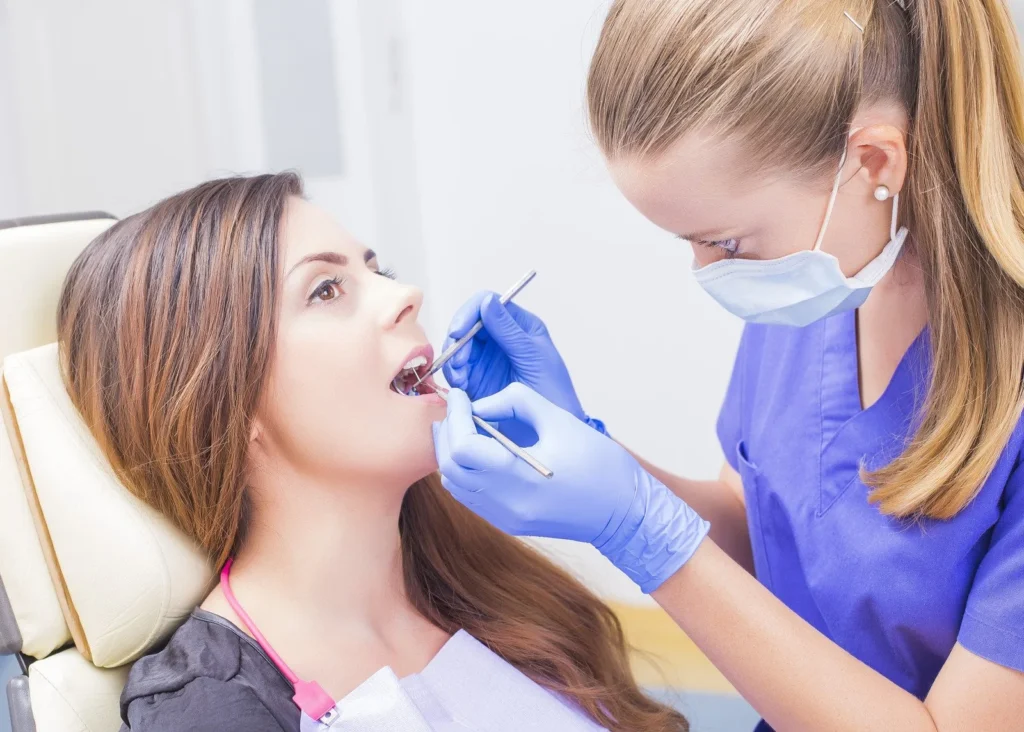
dentist treating patient
Dental Extraction, Emergency

Emergency Dentist in Abbotsford BC – What to Do When a Dental Crisis Strikes

It’s 6:30 PM on a Thursday. You’re at the dinner table when a sharp, searing pain shoots through your jaw. Or maybe your kid just took a tumble at the park and knocked out a tooth. Maybe you bit down on something hard and heard a crack. Whatever the situation — a dental emergency is terrifying, painful, and urgent. The last thing you need is to scroll through websites only to find every dental clinic in Abbotsford is closed, directing you to the emergency room for a dental problem. That’s why Medora Dental Care is different. We offer same-day emergency dental appointments and extended hours — so when it matters most, we’re here. Common Dental Emergencies We Treat in Abbotsford Not sure if your situation counts as an emergency? Here’s a quick guide to the most common dental crises our team handles every week: 1. Severe Toothache A toothache that won’t go away — especially one accompanied by swelling, fever, or sensitivity to hot and cold — could indicate an infected tooth or abscess. This is not something to tough out. Left untreated, dental infections can spread and become medically serious. Call us immediately. 2. Knocked-Out Tooth (Avulsed Tooth) Time is critical here. If an adult tooth gets knocked out, pick it up by the crown (not the root), gently rinse it without scrubbing, and try to place it back in the socket or keep it in milk or saliva. Get to our clinic within 30–60 minutes — we may be able to save the tooth. For children with baby teeth, don’t try to reinsert — but do call us right away for guidance. 3. Cracked or Broken Tooth A cracked tooth can cause intense pain when biting or expose the inner pulp to bacteria. Depending on severity, treatment may involve a dental crown, root canal, or extraction. The sooner we see you, the more options we have. We specialize in cracked teeth repair in Abbotsford — don’t wait until the damage gets worse. 4. Lost or Broken Filling/Crown Losing a filling or crown exposes a vulnerable tooth to bacteria, temperature sensitivity, and potential further damage. In the meantime, keep the area clean and avoid chewing on that side. Call us for a same-day repair appointment. 5. Dental Abscess An abscess is a pocket of infection at the root of a tooth or in the gums. Signs include severe, throbbing pain, swelling in the face or cheek, fever, and a bad taste in your mouth. This is a genuine dental emergency — do not wait. 6. Soft Tissue Injuries Cuts or lacerations to the tongue, cheeks, or gums from accidents can bleed heavily. Apply gentle pressure with clean gauze and call us. If bleeding is severe and uncontrolled, visit the emergency room. 7. Object Stuck Between Teeth Gently try dental floss — never a sharp or metal object. If you can’t dislodge it and it’s causing pain or pressure, come see us. What To Do in a Dental Emergency: Step-by-Step While you wait to see us, here’s how to manage common emergencies: Stay calm — panic makes pain feel worse and clouds judgment Call Medora Dental at (604) 746-1295 immediately — describe your situation For pain: use over-the-counter pain relief (ibuprofen works better than acetaminophen for dental pain) For swelling: apply a cold compress to the outside of your cheek — 20 minutes on, 20 minutes off For a knocked-out tooth: store it in milk or saliva, not water Avoid extremely hot, cold, or sugary foods that aggravate the affected tooth Why Choose Medora for Dental Emergencies in Abbotsford? When you’re in pain, you need a dental team that picks up the phone, fits you in fast, and has the skill to handle whatever you’re dealing with — calmly and efficiently. Here’s why Abbotsford residents trust us in their most urgent moments: Same-day emergency appointments available Extended Thursday hours until 7:00 PM Experienced dentists with expertise in urgent restorative procedures Sedation options for patients overwhelmed by pain or anxiety Digital X-rays for fast, accurate diagnosis Transparent, upfront cost discussions — no surprise bills during a crisis Related Services That Prevent Future Emergencies Many dental emergencies are preventable with regular care. Consider these services at Medora to protect your teeth proactively: Dental fillings in Abbotsford — catch cavities before they become crises. Root canal treatment in Abbotsford — save infected teeth before extraction becomes necessary. Dental crowns in Abbotsford — protect cracked or weakened teeth before they break. Periodontal treatment — healthy gums protect the foundations of your teeth. Frequently Asked Questions About Emergency Dentistry in Abbotsford Q: Do I need an appointment for a dental emergency at Medora? Call us first at (604) 746-1295. We’ll assess your situation and get you in as quickly as possible — often the same day. Describing your symptoms helps us prepare for your arrival. Q: What if my emergency happens after hours? Call our main number. Our answering service will provide guidance on managing your situation until we can see you. For life-threatening situations like severe facial swelling affecting your airway, go directly to the emergency room. Q: Will a dental emergency be covered by my insurance? Most dental insurance plans cover emergency dental services. We’ll help you navigate your coverage and provide a cost estimate before treatment begins. Q: How do I know if I should go to the ER or the dentist? Go to the ER if you have: severe facial swelling affecting breathing or swallowing, trauma involving the jaw or face, heavy bleeding that won’t stop, or a fever with severe facial swelling. For dental pain, broken teeth, knocked-out teeth, and similar issues — call Medora Dental first. Q: Can you treat children during a dental emergency? Absolutely. Our team is experienced with pediatric dental emergencies and creates a calm, reassuring environment for children who are frightened or in pain.

Dental Extraction, Whitening

Best Dentist in Abbotsford BC – Why Abbotsford Families Choose Medora Dental

Finding a dentist you actually trust — one who remembers your name, explains everything in plain language, and genuinely cares about your comfort — isn’t easy. In a city as vibrant and growing as Abbotsford, BC, your options are plentiful. But not all dental clinics are created equal. At Medora Dental Care, we’ve spent years building something different: a dental home where patients don’t just tolerate their appointments — they actually look forward to them. If you’ve been searching for the best dentist in Abbotsford BC, you’ve just found your answer. What Makes Medora Dental Care the Best Choice in Abbotsford? We know you have choices. That’s exactly why we work hard every single day to earn your trust. Here’s what sets us apart: 1. A Team That Truly Cares Our dentists — Dr. Ash Soufi (DMD, DDS), Dr. Ghazvini (DDS), and Dr. Kiran Jagpal — bring decades of combined clinical experience and a genuine warmth that patients notice from the moment they walk in. Dr. Ash alone has over 21 years of experience in general, cosmetic, and restorative dentistry. But it’s not just the dentists. Our hygienists, dental assistants, and front desk team are equally dedicated. Patients describe visits as feeling like catching up with old friends — and that’s exactly the culture we’ve built. 2. Comprehensive Care Under One Roof Whether your family needs a routine cleaning, a child needs their first dental check-up, or you’re considering a complete smile makeover, Medora Dental Care has you covered. Our full range of services includes: Family & preventive dentistry — check-ups, cleanings, fillings Pediatric dentistry — kid-friendly care that children actually enjoy Cosmetic dentistry — veneers, whitening, Invisalign, implants Emergency dental care — same-day appointments when you need us most Sedation dentistry — for patients with dental anxiety TMJ treatment & neuromuscular dentistry You shouldn’t have to drive all over Abbotsford for different treatments. We bring everything to you. 3. Evening & Weekend Hours Life is busy. Between work, kids, and everything else life throws at you, finding time for a dental appointment can feel impossible. That’s why we offer Thursday evening hours until 7:00 PM and alternate Saturday appointments — so your dental health doesn’t take a back seat to your schedule. 4. Cutting-Edge Technology with a Human Touch We combine high-tech tools like digital X-rays and advanced imaging with the kind of personal attention that’s increasingly rare in healthcare. Fast, precise, comfortable — and always explained clearly before we proceed. 5. Transparent Pricing & Insurance Support Surprise dental bills are one of the biggest reasons people avoid the dentist. At Medora Dental, we believe in crystal-clear communication about costs. We work with most major dental insurance plans and offer payment options for those without insurance. Serving All of Abbotsford — and Beyond Our clinic is conveniently located at 110-1910 North Parallel Rd, Abbotsford, BC V3G 2C6 — easy to reach whether you’re coming from East Abbotsford, West Abbotsford, Mission, or Chilliwack. We proudly serve the entire Fraser Valley community. Explore More of What We Offer Looking for a smile transformation? Explore our cosmetic dentistry services in Abbotsford, including porcelain veneers, teeth whitening, and dental implants. Worried about dental anxiety? Learn how our sedation dentistry options help even the most nervous patients feel completely at ease. Have kids? Our pediatric dentistry team makes every visit fun, gentle, and stress-free for your little ones. Dealing with a toothache right now? Our emergency dentistry service offers same-day appointments — call (604) 746-1295 immediately. Frequently Asked Questions Q: Is Medora Dental Care accepting new patients? Absolutely! We warmly welcome new patients of all ages and dental histories. Whether you’re new to Abbotsford or simply looking for a dental team that treats you like a person — not a patient number — we’d love to meet you. Q: What insurance plans do you accept? We work with most major dental insurance plans in Canada. Not sure if yours is covered? Call us at (604) 746-1295 and our friendly team will verify your benefits before your first visit. Q: Do you offer payment plans for those without insurance? Yes. We believe everyone deserves quality dental care, regardless of insurance coverage. Ask us about our payment options during your consultation. Q: What are your office hours? Monday–Wednesday: 8:00 AM – 5:00/5:30 PM | Thursday: 9:00 AM – 7:00 PM | Friday: 8:00 AM – 5:00 PM | Saturday: 9:00 AM – 2:00 PM (alternating) | Closed Sundays & Holidays. Q: Where is Medora Dental Care located? We’re located at 110-1910 North Parallel Rd, Abbotsford, BC V3G 2C6. Easy parking, easy access, and a welcoming team waiting for you.

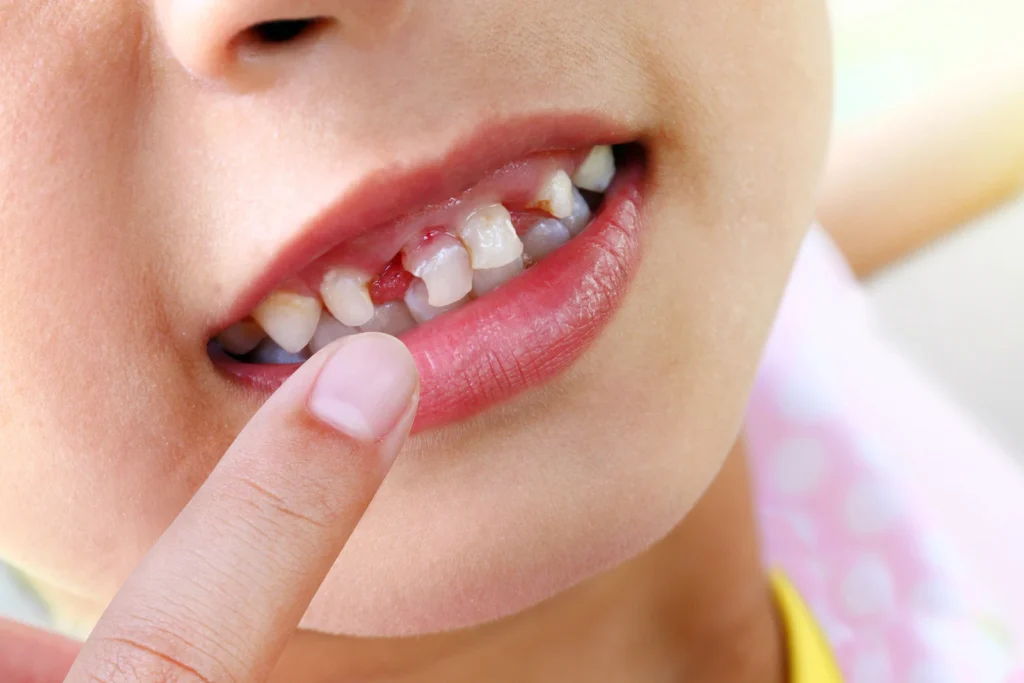
girl facing teeth pain
Wisdom Teeth

Why Skipping Saltwater Rinse After Wisdom Teeth Removal Could Be Dangerous

Skipping a saltwater rinse after wisdom teeth removal can significantly increase the risk of dry socket, infection, and delayed healing. With patients in Abbotsford, BC, dentists and oral surgeons routinely recommend warm saltwater rinses as a core part of post-operative care to keep the extraction sites clean and support faster, more comfortable recovery. Why saltwater rinse matters after wisdom teeth removal After wisdom teeth removal, your body forms a protective blood clot in each socket that covers exposed bone and nerves while the area heals. Gentle saltwater rinses help keep this blood clot stable while flushing away food particles and bacteria that could otherwise irritate the socket or lead to infection.​ Research indicates that dry socket (alveolar osteitis) is one of the most common complications following third molar surgery, with an incidence reported to be as high as 30% in surgical extractions. Warm saline rinses reduce the risk of dry socket, making them a simple, low-cost preventive measure that many Abbotsford oral surgery practices incorporate into their written aftercare instructions. 8 dangers of skipping saltwater rinse after wisdom teeth removal Failing to rinse properly can increase the risk of several issues, including: Some infections may not appear until 1–4 weeks after surgery, making continued aftercare essential. How to rinse properly after wisdom teeth removal Most oral surgery guidelines recommend starting warm saltwater rinses 24 hours after wisdom teeth extraction, rather than on the day of surgery, to prevent dislodging early clots and prolonging bleeding. A common mixture is about ½ teaspoon of salt dissolved in 1 cup (8 ounces) of comfortably warm water; the solution should feel warm, not hot, so it is soothing rather than irritating.​ Take a small sip, gently move the solution around the mouth for 15–30 seconds without vigorous swishing, and then let it fall from your mouth rather than forcefully spitting, which can disturb the clot. In Abbotsford and the wider Fraser Valley, many oral surgeons recommend performing these rinses 3–4 times a day, especially after meals, for at least 7 days, and in some cases up to two weeks, depending on the complexity of the wisdom teeth removal. What Abbotsford, BC, patients should remember Warm saltwater is isotonic and gentle on the tissues, so it is generally better tolerated than many commercial mouthwashes immediately after surgery. This makes it well-suited for patients recovering from wisdom teeth removal in Abbotsford, BC, where local oral and maxillofacial practices routinely include it in their post-operative instruction sheets for socket care and debris control.​ If you notice worsening pain after day two, an unpleasant odour, persistent bad taste, or swelling that increases instead of decreases, contact your Abbotsford dentist or oral surgeon promptly, as these can be signs of dry socket or infection that require professional management. Consistently following your surgeon’s instructions on saltwater rinses, diet, and activity will give you the best chance of smooth, complication-free healing after wisdom teeth removal in Abbotsford, BC.

dentist checking patient teeth
Family Dentist

Dental benefits and utilizing them before the end of year deadlines

As the end of the year approaches, many patients at a trusted dentist in Abbotsford realize they still have unused dental insurance benefits. At Medora Dental, a leading dental clinic Abbotsford, we see this situation every December. Dental plans typically reset in January, and unused benefits do not roll over into the new year. Unfortunately, this means valuable coverage is often lost simply due to a lack of awareness or delayed scheduling. If you have dental insurance, now is the perfect time to understand how your benefits work and how to use them wisely before they expire. Why dental benefits are often left unused Dental benefits are designed to support preventive care and encourage regular dental visits. However, many people only visit the dentist when discomfort arises, leaving preventive benefits unused. Others wait until December to book appointments, only to find limited availability due to high demand. Planning and acting early can help ensure you receive the care you’re entitled to, without the stress of last-minute scheduling. How dental benefits typically work Most dental insurance plans follow a calendar-year structure and include an annual coverage limit. Once that limit is reached, coverage resets at the beginning of the new year. Many patients never reach this limit, meaning part of their benefits go unused. Dental plans usually group services into three categories: Preventive services are often covered at the highest level, making them the easiest and most effective way to maximize your dental benefits before year-end. The importance of preventive dental visits before year-end Booking a preventive visit before December 31 is one of the easiest ways to maximize your benefits. Regular exams and cleanings at a reliable dentist Abbotsford help maintain healthy teeth and gums while identifying early signs of dental concerns. Preventive care allows your dentist to: Even if your teeth feel fine, preventive care ensures your benefits are being used wisely rather than wasted. Completing recommended dental treatments on time If your dentist has previously recommended treatment, year-end is an ideal time to complete it. Using your current dental benefits can help reduce delays and support better oral health outcomes. Some procedures, such as dental crowns, require multiple visits. Timing matters, as insurance claims are typically submitted once treatment is completed. Scheduling early ensures treatment can be finished before benefits reset. Your dental team can efficiently plan your care to ensure treatments fit within your benefits while prioritizing your comfort and oral health. Using FSAs and HSAs to support dental care In addition to traditional dental insurance, many patients have access to Flexible Spending Accounts (FSAs) or Health Spending Accounts (HSAs). These accounts can be used for eligible dental treatments and are especially useful toward the end of the year. FSAs often follow a “use it or lose it” rule, making dental care an excellent way to utilize remaining funds. HSAs typically allow funds to carry over, offering flexibility for ongoing or future dental needs. Understanding how these accounts and your dental benefits work can help you plan more effectively and prevent unused funds. Avoid the rush with early planning December is one of the busiest months for every dental clinic in Abbotsford. Many patients wait until the final weeks of the year, which can limit availability. Booking earlier allows: Planning also helps you enter the new year with your oral health already on track. Final thoughts Dental benefits are a valuable part of your healthcare coverage, but only if you use them. The end of the year is a crucial time to take action, schedule your appointments, and complete dental care before benefits expire. At Medora Dental, our team is committed to helping patients understand their coverage and make informed decisions. Whether it’s preventive care, completing dental treatments like dental crowns, or planning, using your benefits now can make a meaningful difference. Don’t let your dental benefits go unused. Book your visit with a trusted dentist in Abbotsford before year-end and start the new year with a healthier, more confident smile.

dentist treating patient
Bridges, Crowns

The 2-2-2 Rule: Your Essential Guide to Dental Bridges and Crowns in Abbotsford, BC

Many people with dental bridges and crowns brush their teeth for less than a minute, significantly increasing their risk of cavities, staining, and gum disease. Even the highest-quality dental work can be compromised by poor oral hygiene. If you have dental bridges and crowns in Abbotsford, maintaining them requires a simple yet powerful routine: the 2-2-2 rule. This rule means brushing your teeth two times a day, for two minutes each time, and visiting your dentist two times a year. This straightforward approach plays a critical role in preventing cavities and gum disease, especially when you’ve invested in long-term dental restorations. Missing even one brushing session allows bacteria to multiply and begin breaking down tooth enamel. Over time, this can lead to avoidable dental emergencies and costly repairs. In this guide, we’ll explore how the 2-2-2 rule helps protect dental bridges and crowns, and how consistent habits support long-term oral health. Proper maintenance isn’t just about health; it also preserves the appearance and function of your smile. Understanding the 2-2-2 Rule and Its Role in Oral Health The 2-2-2 rule provides a simple framework for maintaining strong oral health, particularly for patients with dental bridges and crowns in Abbotsford, BC. It combines three essential habits that work together to protect your dental investments. Brushing twice daily, in the morning and at night, helps remove plaque buildup and limits bacterial growth while you sleep. Morning brushing clears overnight plaque, while evening brushing removes food particles accumulated throughout the day. The second “2” refers to brushing for two full minutes. Many people rush through brushing, leaving plaque behind, especially around dental restorations. Dividing your mouth into four quadrants and brushing each for 30 seconds ensures more thorough cleaning. The final “2” emphasizes twice-yearly dental visits. Professional cleanings remove hardened tartar that brushing alone cannot, while your dentist checks crowns and bridges for early signs of wear or damage. Preventive dental care also makes financial sense. Research shows that every dollar spent on prevention can save between CAD 11.15 and CAD 69.67 in restorative treatment costs. How the 2-2-2 Rule Protects Dental Bridges and Crowns Dental bridges and crowns represent a significant investment in your oral health. Without proper care, their lifespan can be reduced. Brushing twice daily helps prevent plaque buildup around crown margins and beneath bridges, areas where bacteria tend to collect. This also protects the natural teeth supporting your dental work from decay. While crowns and bridges themselves do not decay, the teeth underneath them can. Brushing for a full two minutes ensures you reach difficult areas, especially where restorations meet the gumline. These spots are often missed during rushed brushing and can become problem areas over time. Visiting your dentist twice a year allows for early detection of loose crowns, compromised bridges, or gum issues. Professional cleanings and exams help prevent minor concerns from turning into expensive treatments such as root canals or replacement restorations. With proper care, dental bridges and crowns, typically expected to last 10–15 years, can often last much longer, saving you thousands in future dental costs. Building Habits That Support Long-Term Dental Work Consistency is key when protecting dental bridges and crowns. Setting phone reminders, using brushing timer apps, and booking your next appointment before leaving your Abbotsford dental clinic can help make the 2-2-2 rule part of your daily routine. Diet also plays an important role. Certain foods can damage dental restorations, including: Calcium-rich foods such as milk, cheese, and yogurt help support both natural teeth and restorations. Cutting harder foods into smaller pieces can also reduce pressure on crowns and bridges. Keeping dental supplies at work, in your car, or while traveling helps maintain consistency, even on busy days. Parents can encourage good habits early by using fun toothbrushes, playing two-minute songs during brushing, and offering small rewards. Children who see oral health prioritized at home are more likely to maintain healthy habits into adulthood. Conclusion Dental bridges and crowns are valuable investments in your smile, and protecting them requires consistent care. The 2-2-2 rule is a simple yet effective routine that fits easily into everyday life. Brushing twice daily for two minutes targets hard-to-reach areas around crowns and bridges, while twice-yearly dental visits in Abbotsford, BC, help identify issues before they become serious. Just a few minutes of daily care can save thousands in replacement costs and extend the life of your dental work well beyond the typical 10–15 years. Beyond financial benefits, maintaining a healthy smile improves confidence, comfort, and quality of life. While forming new habits takes time, consistent practice makes the 2-2-2 rule second nature. Your smile deserves long-term care. Starting the 2-2-2 rule today helps protect your dental bridges and crowns, and keeps your smile healthy, functional, and beautiful for years to come.

Scroll to Top