Medora Dental

Emergency

dentist explaining patient
Emergency, Family Dentist, Uncategorized

Emergency Dental Abbotsford: What to Do When You Need a Tooth Pulled (24/7 Guide)

A dental emergency can determine whether you save or lose a tooth, which is why finding emergency dentists in Abbotsford, BC, is so important. Acting quickly, often within the first 60 minutes, can make a significant difference, especially in cases such as a knocked-out tooth. Even if that critical window has passed, seeking immediate emergency dental care is still essential. Prompt treatment helps prevent serious complications. Untreated dental damage can lead to bacterial infections, increased pain, and further oral health issues. Many emergency dentist offices in Abbotsford, BC, offer same-day appointments, and some provide care within 24–48 hours. This guide explains when a tooth extraction becomes an emergency, what steps to take before reaching a dentist, and how emergency dentists in Abbotsford handle urgent extractions. When Is a Tooth Extraction an Emergency? Not all tooth pain requires immediate extraction, but certain conditions demand urgent attention from emergency dentists in Abbotsford, BC. Knowing when to seek help can reduce pain and prevent serious health risks. Persistent, intense tooth pain that doesn’t respond to over-the-counter medication may indicate a deeper issue. Dental infections or abscesses are especially serious, as they can spread beyond the mouth if left untreated. You may require an emergency extraction if: Many emergency dental clinics in Abbotsford, BC, offer extended hours or urgent care services. However, if you experience uncontrollable bleeding or a life-threatening condition, call 9-1-1 immediately before contacting an emergency dentist. Delaying necessary extractions can allow infections to spread, leading to more severe dental and overall health complications. What to Do Before You Reach the Dentist A dental emergency can be stressful and painful. Before visiting an Abbotsford emergency dentist, you can take steps to manage discomfort and reduce complications. Avoid the following: Contact emergency dentists in Abbotsford, BC, immediately if you experience severe swelling, fever, or difficulty opening your mouth, as these symptoms may indicate a serious infection. How Emergency Dentists in Abbotsford Handle Extractions Emergency dentists in Abbotsford always aim to preserve natural teeth whenever possible. However, when extraction is the only solution, they begin with a thorough evaluation. Most emergency dental clinics in Abbotsford, BC, use advanced 3D imaging (CBCT scans) to accurately assess the tooth and surrounding structures. This ensures precise treatment while minimizing radiation exposure. Extraction methods depend on the condition of the tooth: To ensure comfort, dentists may offer: After removal, the area is cleaned and disinfected. In some cases, bone grafting or stitches may be used. Patients receive clear aftercare instructions covering pain management, diet, oral hygiene, and activity restrictions. Final Thoughts Dental emergencies can happen unexpectedly, but knowing how to respond makes all the difference. Severe tooth pain, infections, and injuries require immediate care from Emergency Dentists in Abbotsford, BC, to prevent complications. Simple steps such as rinsing with saltwater, using cold compresses, and taking appropriate pain medication can provide temporary relief until professional care is available. However, ongoing pain or signs of infection should never be ignored. Many emergency dental clinics in Abbotsford offer flexible hours and same-day appointments to ensure timely treatment. While regular dental check-ups help prevent emergencies, it’s reassuring to know that trusted emergency dental services in Abbotsford, BC, are available when urgent care is needed.

Emergency

What Is the Most Common Dental Emergency and How to Handle It 

Statistics show that dental pain hits unexpectedly. These situations range from severe toothaches to knocked-out teeth. Many people struggle to identify what qualifies as a true dental emergency.  Professional attention becomes crucial during a dental emergency to save a tooth, stop severe bleeding, or manage acute pain. Dentists report that tooth pain from untreated decay is their biggest problem. Quick action can determine whether you save or lose a tooth when these emergencies occur.  This detailed guide covers the most common dental emergencies and why they happen. You will learn basic first-aid techniques and know exactly when to get immediate care. The guide also helps you take steps to prevent future dental crises.  Understanding Common Dental Emergencies  Statistics on dental emergency types  Dental abscesses and other diseases of pulp and periapical tissues make up 45% of all dental emergency visits. Problems with teeth and supporting structures come second at 18.8% of emergency cases. Most patients can go home after treatment, but some need hospital stays because of serious complications.  Most common dental emergencies  There are several conditions that need immediate dental care. These include bad toothaches, severely cracked teeth, knocked-out teeth, and dental abscesses. You need quick treatment for these problems to avoid losing teeth and other complications.  Risk factors and causes  Your risk of having a dental emergency goes up due to several factors:  Poor Oral Hygiene: This can cause tooth decay and abscesses that need urgent care  Medical Conditions: Diabetes patients have higher chances of getting gum disease and related emergencies  Age-Related Factors: Kids and older adults face unique risks. Children’s active lifestyles and developing teeth put them at risk, while seniors deal with problems from years of wear and tear    Immediate Response to Dental Emergencies  Quick action can improve outcomes by a lot during a dental emergency. Taking proper steps in the first 30 minutes can save your tooth. Let’s look at first aid measures, emergency care timing, and pain management techniques.  First aid essentials for dental trauma  You need to act fast and precisely to handle dental trauma. Never touch the root of a knocked-out tooth – only handle it by the crown. A dirty tooth needs gentle rinsing with water, but don’t scrub away attached tissue. Try putting the tooth back in its socket. If that’s not possible, keep it moist in milk or saltwater solution.  For fractured teeth:  Rinse mouth with warm water right away  Apply a cold compress to reduce swelling  Keep broken tooth pieces in a clean, moist container  When to seek emergency dental care  You need to see a dentist right away if you have:  Pain that lasts more than 1-2 days  Fever or signs of infection  Swelling of face and jaw  Trouble breathing or swallowing  Pain management techniques  Several methods help manage pain while you wait to see a dentist. A warm saltwater rinse helps ease pain and draw out infection. Here’s what you can do for toothaches:  Use dental floss to remove stuck food particles  Put a cold compress on your cheek  Take over-the-counter pain relievers, but never put them directly on gums  Keeping a dislodged tooth moist is vital. You can hold it in its socket, put it in milk, or keep it next to your cheek. Remember – you have the best chance of saving your tooth if you act within 30 minutes of the incident.  Professional Treatment Options  Dental professionals offer specific treatments for emergencies through procedures that match each condition. Patients need to know their options, costs, and recovery times to make better decisions during dental emergencies.  Emergency dental procedures  Emergency dental care covers several vital treatments. Root canals, tooth extractions, and treatments for severe infections or abscesses are the most common procedures. Some complex cases need specialized surgical procedures, such as fixing broken jaw bones or removing tumors and cysts.  Cost considerations and insurance coverage  The cost of treatment changes substantially based on how complex the procedure is and where you live. Dental insurance plans typically cover 50-80% of emergency treatment costs after deductibles. The Canadian Dental Care Plan (CDCP) helps reduce expenses but might need co-payments based on your family’s adjusted net income.  Recovery timeline expectations  Each procedure has its own recovery period:  Normal activities can resume within 48-72 hours after extractions  The jawbone takes several weeks to heal completely  Side effects like swelling peak within 48 hours and go away within 5-7 days  Patients should expect some discomfort during the first 2-3 days after treatment. Your dentist’s post-operative instructions include pain management guidelines and activity restrictions to ensure optimal healing.  Prevention and Preparation  A well-stocked emergency kit, smart lifestyle choices, and quick access to emergency dental care can substantially reduce your risk of serious oral health problems. These are the foundations of being ready for dental emergencies.  Creating an emergency dental kit  Your dental emergency kit needs these items to handle unexpected dental issues:  Sterile gauze and cotton balls to control bleeding  Over-the-counter pain medication and oral pain-relieving gel  Small container with lid to store knocked-out teeth  Dental mirror and dental floss  Temporary filling material and dental wax  Salt packets to make saltwater rinse  Lifestyle modifications to prevent emergencies  Regular dental check-ups are the life-blood of prevention. Studies show they help spot problems before they become emergencies. Key preventive measures include:  Daily brushing and flossing for good oral hygiene  Protective mouthguards during sports  Not using teeth to open packages  A balanced diet rich in vitamins and minerals  Finding an emergency dentist  Contact with emergency dental services should be established before urgent situations arise. Research local emergency dental providers who work extended hours and take your insurance. Many dental clinics help non-regular patients and some stay open 24/7.  Here’s what you should do to find an emergency dentist:  Ask your dental insurance provider for approved emergency clinics  Save multiple emergency dental contacts  Look up nearby urgent care facilities that offer dental services and their hours    Dental emergencies strike millions of Canadians each year. Tooth decay and dental abscesses top the

Broken Tooth, Emergency

How to Handle a Broken Tooth: Immediate Steps to Take 

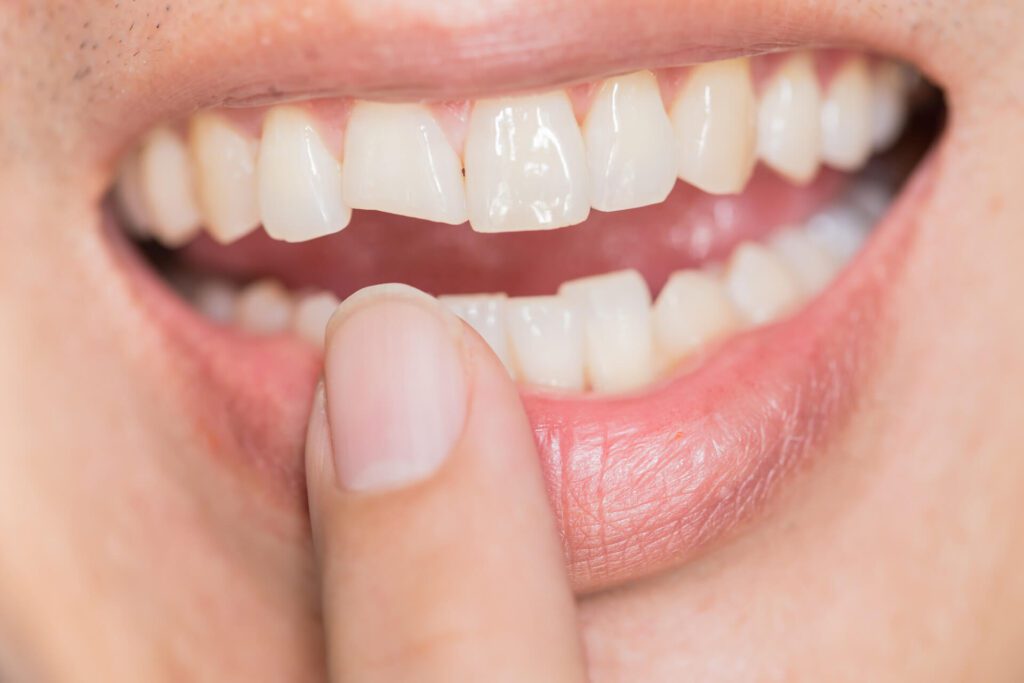
Breaking a tooth can happen suddenly – during a meal, while playing sports, or after an accident. Millions face this dental emergency yearly, and they need quick, decisive action to stop further damage and control pain.  Quick action makes the biggest difference when you break a tooth. The right steps can improve your tooth’s repair outcome – from keeping broken pieces safe to managing pain and swelling. Your damaged tooth needs proper emergency care until you can see a dentist, whether it’s a small chip or a major break.  This complete guide shows you everything about handling a broken tooth. You’ll learn about immediate first aid steps and long-term care needs. The guide covers pain control methods, professional treatment choices, and ways to protect your damaged tooth before dental care.  Immediate First Aid for a Broken Tooth  Quick action can make a vital difference in saving a broken tooth during a dental emergency. Dentists can save knocked-out teeth most effectively within the first 60 minutes after the injury.  Cleaning and preserving the broken piece  A broken tooth needs careful handling. Pick up any broken pieces and give them a gentle rinse with water or saline solution. The fragments should not be scrubbed, and any tissue attached to them must stay in place. You can store the pieces in:  A container with saline solution or milk  Water with a pinch of salt  Managing bleeding and swelling  Blood and discomfort can be managed by following these steps:  Clean the area by rinsing your mouth with warm water  Press the area gently with sterile gauze until bleeding stops, about 10 minutes  A moist tea bag works if gauze doesn’t help – its tannic acid aids blood clotting  Apply a cold compress to your cheek near the injury for 15 minutes at a time  When to seek emergency dental care  You need to see a dentist right away if:  The break causes severe pain or heavy bleeding  Swelling interferes with breathing or swallowing  Sharp edges from the broken tooth might harm soft tissue  The tooth break happened with other facial injuries  Minor chips or cracks can be temporarily protected with dental cement from a drugstore if immediate care isn’t available. A dentist must examine all broken teeth to prevent infection and ensure they heal properly.  Managing Pain and Protecting Your Broken Tooth  Managing pain and protecting a broken tooth is vital while you wait to see a dentist. You have several options to relieve pain and protect your tooth, from natural remedies to OTC solutions.  Natural pain relief methods  These home remedies can help ease your tooth pain quickly:  Rinse with salt water to reduce bacteria and ease inflammation  Apply ice packs for 15-minute intervals to reduce swelling  Mix clove oil with carrier oil (3-5 drops in 1 teaspoon of olive oil) for natural numbing  Keep your head elevated while sleeping to reduce pressure and throbbing  Over-the-counter pain management  You can manage pain with various OTC medications:  NSAIDs like ibuprofen and naproxen are most effective for dental pain because they target inflammation. Acetaminophen provides an alternative for people who can’t take NSAIDs. Topical anesthetics with benzocaine (10-20%) can numb the affected area temporarily.  Temporary protection techniques  Here’s how to protect your broken tooth until you get treatment:  Cover jagged edges with dental wax to prevent tongue and cheek injury  Use temporary filling materials from pharmacies for minor chips  Keep the area clean with gentle flossing and careful brushing  Important precautions: Don’t chew on the affected side and avoid very hot or cold foods. When using temporary filling materials, follow package instructions carefully. Note that these are short-term solutions only.  Professional Treatment Options  A broken tooth can be fixed permanently through professional dental care. Dentists provide several solutions that range from simple bonding to full tooth replacement. The best treatment depends on how badly the tooth is broken, where it’s located, and what fits the patient’s budget.  Types of tooth repairs available  Here are the most common repair options dentists recommend:  Dental bonding: A tooth-colored resin fixes minor chips and takes just one visit  Dental crowns: These caps protect the whole tooth and work best for major breaks  Veneers: These thin shells cover the tooth’s front surface and look great on visible teeth  Root canal treatment: This becomes essential if the break exposes the tooth’s pulp  Dental implants: The tooth needs complete replacement if repairs won’t work  Cost considerations and insurance coverage  Treatment prices change based on the procedure and your location. Dental insurance plans usually cover 50% of the work to be done. The Canadian Dental Care Plan (CDCP) helps patients manage costs for treatments like crowns, root canals, and surgical procedures.  Recovery timeline expectations  Each procedure has its own healing time:  Dental bonding lets you use your tooth right after treatment  Crown procedures need just 24-48 hours for initial healing  Root canal healing takes a few days, and full recovery happens within weeks  Patients need to stick to specific aftercare instructions that include diet changes and gentle brushing habits. A follow-up visit helps dentists check the healing process and adjust the restoration if needed.  Long-term Care After a Tooth Break  Recovery from a broken tooth needs more than just the original treatment. Your daily habits and food choices matter a lot. The right long-term care will prevent complications and keep your repaired tooth strong and working well.  Preventing further damage  Your repaired tooth needs protection through specific safety measures. Athletes and people who risk falling should wear a mouthguard. Hard objects like ice, candy, or fingernails can damage both natural and repaired teeth, so you should avoid them. Dentists can spot problems early through regular check-ups.  Dietary modifications  What you eat plays a significant role in your tooth’s protection. Here’s what helps:  Soft, nutrient-dense foods like cooked vegetables, mashed potatoes, and smoothies  Foods rich in vitamins and minerals, including soups and pureed vegetables  Plenty of water to keep your mouth healthy and clean  Stay away from hard, crunchy foods that might harm

Emergency, Family Dentist, Sedation

What Can I Do If Tooth Pain Is Unbearable? Essential Tips for Immediate Relief

Tooth pain can be an excruciating experience that disrupts daily life and becomes especially agonizing at night. It’s essential to know what steps to take when faced with unbearable discomfort. Immediate measures such as rinsing with warm salt water, taking over-the-counter pain relief, or using a cold compress can provide temporary relief. Unresolved dental pain often requires professional intervention. Visiting a dentist at the earliest opportunity is crucial to identify the underlying cause and receive appropriate treatment. For severe cases, such as a suspected abscess or cracked tooth, it’s advisable to seek emergency dental care to prevent further complications and ensure the pain is managed effectively. Managing tooth pain during off-hours can be challenging. Until professional care is accessible, maintaining good oral hygiene, avoiding hard or sugary foods, and using home remedies can help manage the discomfort. Addressing tooth pain promptly ensures better outcomes and prevents more serious health issues. Key Takeaways Immediate steps can provide temporary pain relief. Professional dental care is crucial for diagnosing and treating the root cause. Use home remedies to manage pain when professional help is not immediately available. Understanding Tooth Pain Tooth pain can arise suddenly and range from mild discomfort to severe, debilitating agony. It is crucial to recognize the causes of severe toothache and identify symptoms of potential dental emergencies. Causes of Severe Toothache Severe tooth pain can be caused by several factors. Tooth decay is one of the most common causes, resulting from the buildup of plaque and bacteria that erode the enamel. Another frequent cause is a cracked or broken tooth, which can expose the sensitive inner layers of the tooth. Gum disease can also lead to severe pain as the gums become inflamed and infected. Additionally, an abscessed tooth, a condition where a pocket of pus forms due to a bacterial infection, can cause intense throbbing pain. Injuries to the mouth or face can lead to trauma-related tooth pain, which may require immediate attention. Symptoms of Dental Emergencies Recognizing the symptoms of dental emergencies is vital. Persistent throbbing tooth pain can indicate an abscess or severe decay and should be addressed promptly. Swelling in the face or gums, fever, and a foul taste in the mouth are also signs of an abscessed tooth. A cracked or broken tooth may cause sharp pain when chewing or sensitivity to hot and cold. Experiencing sudden and severe jaw pain, especially if accompanied by chest pain or shortness of breath, could suggest a cardiovascular event and requires emergency medical help. If over-the-counter pain relief is ineffective, it may signify a more serious underlying issue needing professional intervention. For more detailed information on recognizing dental emergencies, visit Harvard Health. Persistent tooth pain without relief might indicate a serious condition. For further insights, consider exploring the common causes of tooth pain documented by the University of Utah Health. Immediate Pain Management For unbearable tooth pain, quick relief can be found through certain at-home remedies and over-the-counter medications. These methods are aimed at managing pain until professional dental care is available. At-Home Remedies Cold Compress: Applying a cold compress to the affected area can help reduce swelling and numb the pain. Use an ice pack wrapped in a cloth and apply it to the outside of your cheek for 15-20 minutes at a time. Salt Water Rinse: Gargling with warm salt water helps reduce inflammation and clean the affected area. Mix 1/2 teaspoon of salt in a glass of warm water and swish it around your mouth for about 30 seconds before spitting it out. Clove Oil: Clove oil contains eugenol, a natural anesthetic and antiseptic. Dabbing a small amount of clove oil directly on the sore area with a cotton swab can temporarily relieve pain. Hydrogen Peroxide Rinse: This can alleviate pain and kill bacteria, but it needs to be diluted. Mix equal parts of 3% hydrogen peroxide and water, swish gently in the mouth, and then spit it out. Avoid swallowing it. Over-The-Counter Medications Ibuprofen: An NSAID that can reduce inflammation and alleviate pain effectively. Follow the dosage instructions on the packaging to avoid side effects. Acetaminophen: This medication is useful for pain relief but does not reduce inflammation. Consider using acetaminophen if you cannot take NSAIDs. Topical Anesthetics: Products like benzocaine gels or numbing pastes can be applied directly to the gums to numb the area temporarily. These can be particularly useful for quick, localized relief. Aspirin: While it can relieve pain, do not place aspirin directly on the tooth or gums, as it can cause a chemical burn. Always swallow the pill as directed for systemic pain relief. Incorporating these immediate management techniques can provide temporary relief from tooth pain until proper dental treatment is sought. Professional Dental Care Professional dental care is essential for diagnosing and treating severe tooth pain. This care can include determining the underlying cause of the pain and providing appropriate treatment to alleviate it. When to See a Dentist It is crucial to seek dental care when experiencing persistent or severe tooth pain. A dentist can identify whether issues like cavities, gum disease, or tooth infections are causing the pain. Symptoms that warrant a dental visit include pain that lasts more than a day or two, swelling, fever, an earache, or difficulty opening the mouth. For cases like continuous and intense pain, or if over-the-counter medications do not help, professional evaluation is necessary. Persistent tooth pain could signal problems that only a dentist can properly diagnose and treat. Emergency Dentistry Services Emergency dentistry services are available for situations where tooth pain becomes unbearable or when the pain is accompanied by swelling or bleeding. An emergency dentist can offer immediate relief for conditions such as a severe toothache, abscesses, or broken teeth. Treatment options might include pain relief, antibiotics for infection, or procedures to treat the affected tooth or gums. In cases where the pain is incredibly intense, and there is swelling or fever, going to the hospital’s emergency department might be necessary. They can provide immediate

Scroll to Top