
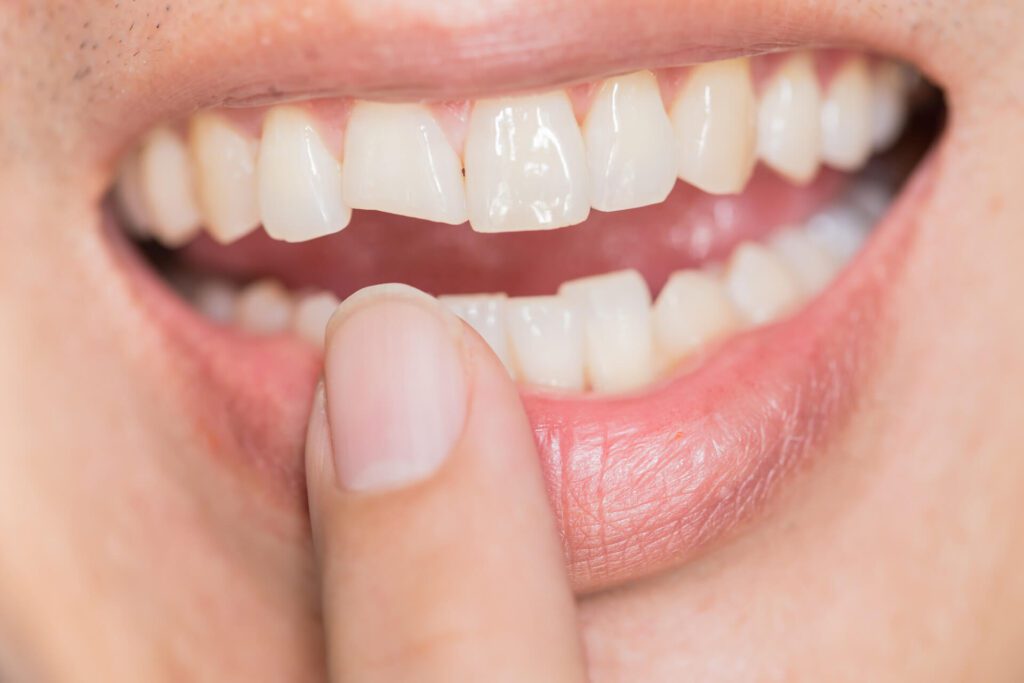
How to Handle a Broken Tooth: Immediate Steps to Take
Breaking a tooth can happen suddenly – during a meal, while playing sports, or after an accident. Millions face this dental emergency yearly, and they need quick, decisive action to stop further damage and control pain. Quick action makes the biggest difference when you break a tooth. The right steps can improve your tooth’s repair outcome – from keeping broken pieces safe to managing pain and swelling. Your damaged tooth needs proper emergency care until you can see a dentist, whether it’s a small chip or a major break. This complete guide shows you everything about handling a broken tooth. You’ll learn about immediate first aid steps and long-term care needs. The guide covers pain control methods, professional treatment choices, and ways to protect your damaged tooth before dental care. Immediate First Aid for a Broken Tooth Quick action can make a vital difference in saving a broken tooth during a dental emergency. Dentists can save knocked-out teeth most effectively within the first 60 minutes after the injury. Cleaning and preserving the broken piece A broken tooth needs careful handling. Pick up any broken pieces and give them a gentle rinse with water or saline solution. The fragments should not be scrubbed, and any tissue attached to them must stay in place. You can store the pieces in: A container with saline solution or milk Water with a pinch of salt Managing bleeding and swelling Blood and discomfort can be managed by following these steps: Clean the area by rinsing your mouth with warm water Press the area gently with sterile gauze until bleeding stops, about 10 minutes A moist tea bag works if gauze doesn’t help – its tannic acid aids blood clotting Apply a cold compress to your cheek near the injury for 15 minutes at a time When to seek emergency dental care You need to see a dentist right away if: The break causes severe pain or heavy bleeding Swelling interferes with breathing or swallowing Sharp edges from the broken tooth might harm soft tissue The tooth break happened with other facial injuries Minor chips or cracks can be temporarily protected with dental cement from a drugstore if immediate care isn’t available. A dentist must examine all broken teeth to prevent infection and ensure they heal properly. Managing Pain and Protecting Your Broken Tooth Managing pain and protecting a broken tooth is vital while you wait to see a dentist. You have several options to relieve pain and protect your tooth, from natural remedies to OTC solutions. Natural pain relief methods These home remedies can help ease your tooth pain quickly: Rinse with salt water to reduce bacteria and ease inflammation Apply ice packs for 15-minute intervals to reduce swelling Mix clove oil with carrier oil (3-5 drops in 1 teaspoon of olive oil) for natural numbing Keep your head elevated while sleeping to reduce pressure and throbbing Over-the-counter pain management You can manage pain with various OTC medications: NSAIDs like ibuprofen and naproxen are most effective for dental pain because they target inflammation. Acetaminophen provides an alternative for people who can’t take NSAIDs. Topical anesthetics with benzocaine (10-20%) can numb the affected area temporarily. Temporary protection techniques Here’s how to protect your broken tooth until you get treatment: Cover jagged edges with dental wax to prevent tongue and cheek injury Use temporary filling materials from pharmacies for minor chips Keep the area clean with gentle flossing and careful brushing Important precautions: Don’t chew on the affected side and avoid very hot or cold foods. When using temporary filling materials, follow package instructions carefully. Note that these are short-term solutions only. Professional Treatment Options A broken tooth can be fixed permanently through professional dental care. Dentists provide several solutions that range from simple bonding to full tooth replacement. The best treatment depends on how badly the tooth is broken, where it’s located, and what fits the patient’s budget. Types of tooth repairs available Here are the most common repair options dentists recommend: Dental bonding: A tooth-colored resin fixes minor chips and takes just one visit Dental crowns: These caps protect the whole tooth and work best for major breaks Veneers: These thin shells cover the tooth’s front surface and look great on visible teeth Root canal treatment: This becomes essential if the break exposes the tooth’s pulp Dental implants: The tooth needs complete replacement if repairs won’t work Cost considerations and insurance coverage Treatment prices change based on the procedure and your location. Dental insurance plans usually cover 50% of the work to be done. The Canadian Dental Care Plan (CDCP) helps patients manage costs for treatments like crowns, root canals, and surgical procedures. Recovery timeline expectations Each procedure has its own healing time: Dental bonding lets you use your tooth right after treatment Crown procedures need just 24-48 hours for initial healing Root canal healing takes a few days, and full recovery happens within weeks Patients need to stick to specific aftercare instructions that include diet changes and gentle brushing habits. A follow-up visit helps dentists check the healing process and adjust the restoration if needed. Long-term Care After a Tooth Break Recovery from a broken tooth needs more than just the original treatment. Your daily habits and food choices matter a lot. The right long-term care will prevent complications and keep your repaired tooth strong and working well. Preventing further damage Your repaired tooth needs protection through specific safety measures. Athletes and people who risk falling should wear a mouthguard. Hard objects like ice, candy, or fingernails can damage both natural and repaired teeth, so you should avoid them. Dentists can spot problems early through regular check-ups. Dietary modifications What you eat plays a significant role in your tooth’s protection. Here’s what helps: Soft, nutrient-dense foods like cooked vegetables, mashed potatoes, and smoothies Foods rich in vitamins and minerals, including soups and pureed vegetables Plenty of water to keep your mouth healthy and clean Stay away from hard, crunchy foods that might harm