Medora Dental

Author name: ahamidi@postmedia.com

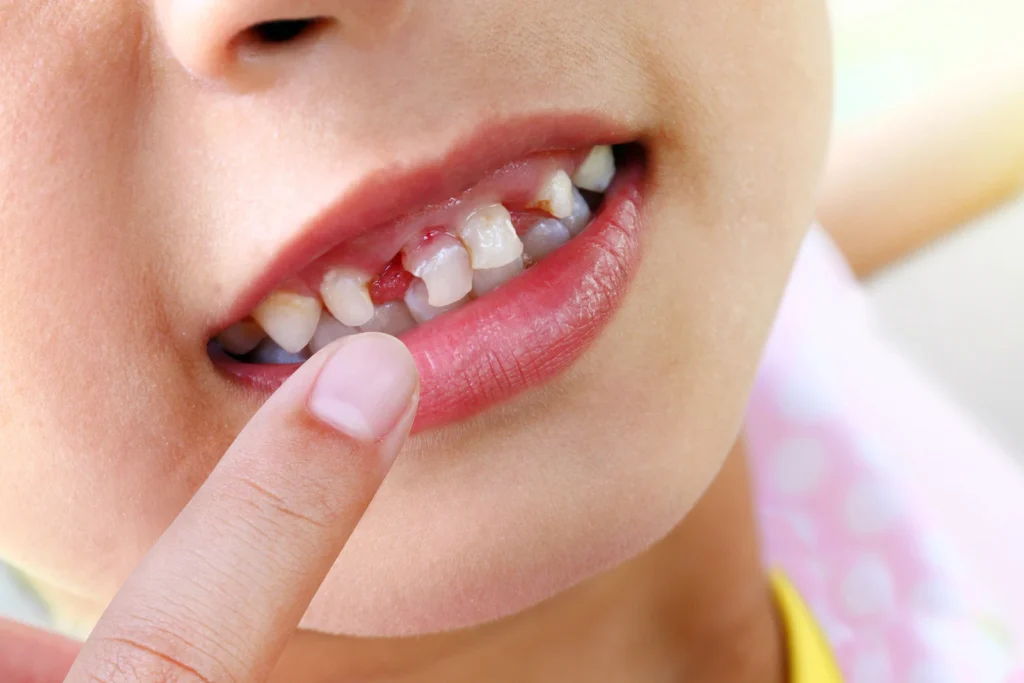
girl facing teeth pain
Wisdom Teeth

Why Skipping Saltwater Rinse After Wisdom Teeth Removal Could Be Dangerous

Skipping a saltwater rinse after wisdom teeth removal can significantly increase the risk of dry socket, infection, and delayed healing. With patients in Abbotsford, BC, dentists and oral surgeons routinely recommend warm saltwater rinses as a core part of post-operative care to keep the extraction sites clean and support faster, more comfortable recovery. Why saltwater rinse matters after wisdom teeth removal After wisdom teeth removal, your body forms a protective blood clot in each socket that covers exposed bone and nerves while the area heals. Gentle saltwater rinses help keep this blood clot stable while flushing away food particles and bacteria that could otherwise irritate the socket or lead to infection.​ Research indicates that dry socket (alveolar osteitis) is one of the most common complications following third molar surgery, with an incidence reported to be as high as 30% in surgical extractions. Warm saline rinses reduce the risk of dry socket, making them a simple, low-cost preventive measure that many Abbotsford oral surgery practices incorporate into their written aftercare instructions. 8 dangers of skipping saltwater rinse after wisdom teeth removal Failing to rinse properly can increase the risk of several issues, including: Some infections may not appear until 1–4 weeks after surgery, making continued aftercare essential. How to rinse properly after wisdom teeth removal Most oral surgery guidelines recommend starting warm saltwater rinses 24 hours after wisdom teeth extraction, rather than on the day of surgery, to prevent dislodging early clots and prolonging bleeding. A common mixture is about ½ teaspoon of salt dissolved in 1 cup (8 ounces) of comfortably warm water; the solution should feel warm, not hot, so it is soothing rather than irritating.​ Take a small sip, gently move the solution around the mouth for 15–30 seconds without vigorous swishing, and then let it fall from your mouth rather than forcefully spitting, which can disturb the clot. In Abbotsford and the wider Fraser Valley, many oral surgeons recommend performing these rinses 3–4 times a day, especially after meals, for at least 7 days, and in some cases up to two weeks, depending on the complexity of the wisdom teeth removal. What Abbotsford, BC, patients should remember Warm saltwater is isotonic and gentle on the tissues, so it is generally better tolerated than many commercial mouthwashes immediately after surgery. This makes it well-suited for patients recovering from wisdom teeth removal in Abbotsford, BC, where local oral and maxillofacial practices routinely include it in their post-operative instruction sheets for socket care and debris control.​ If you notice worsening pain after day two, an unpleasant odour, persistent bad taste, or swelling that increases instead of decreases, contact your Abbotsford dentist or oral surgeon promptly, as these can be signs of dry socket or infection that require professional management. Consistently following your surgeon’s instructions on saltwater rinses, diet, and activity will give you the best chance of smooth, complication-free healing after wisdom teeth removal in Abbotsford, BC.

dentist checking patient teeth
Family Dentist

Dental benefits and utilizing them before the end of year deadlines

As the end of the year approaches, many patients at a trusted dentist in Abbotsford realize they still have unused dental insurance benefits. At Medora Dental, a leading dental clinic Abbotsford, we see this situation every December. Dental plans typically reset in January, and unused benefits do not roll over into the new year. Unfortunately, this means valuable coverage is often lost simply due to a lack of awareness or delayed scheduling. If you have dental insurance, now is the perfect time to understand how your benefits work and how to use them wisely before they expire. Why dental benefits are often left unused Dental benefits are designed to support preventive care and encourage regular dental visits. However, many people only visit the dentist when discomfort arises, leaving preventive benefits unused. Others wait until December to book appointments, only to find limited availability due to high demand. Planning and acting early can help ensure you receive the care you’re entitled to, without the stress of last-minute scheduling. How dental benefits typically work Most dental insurance plans follow a calendar-year structure and include an annual coverage limit. Once that limit is reached, coverage resets at the beginning of the new year. Many patients never reach this limit, meaning part of their benefits go unused. Dental plans usually group services into three categories: Preventive services are often covered at the highest level, making them the easiest and most effective way to maximize your dental benefits before year-end. The importance of preventive dental visits before year-end Booking a preventive visit before December 31 is one of the easiest ways to maximize your benefits. Regular exams and cleanings at a reliable dentist Abbotsford help maintain healthy teeth and gums while identifying early signs of dental concerns. Preventive care allows your dentist to: Even if your teeth feel fine, preventive care ensures your benefits are being used wisely rather than wasted. Completing recommended dental treatments on time If your dentist has previously recommended treatment, year-end is an ideal time to complete it. Using your current dental benefits can help reduce delays and support better oral health outcomes. Some procedures, such as dental crowns, require multiple visits. Timing matters, as insurance claims are typically submitted once treatment is completed. Scheduling early ensures treatment can be finished before benefits reset. Your dental team can efficiently plan your care to ensure treatments fit within your benefits while prioritizing your comfort and oral health. Using FSAs and HSAs to support dental care In addition to traditional dental insurance, many patients have access to Flexible Spending Accounts (FSAs) or Health Spending Accounts (HSAs). These accounts can be used for eligible dental treatments and are especially useful toward the end of the year. FSAs often follow a “use it or lose it” rule, making dental care an excellent way to utilize remaining funds. HSAs typically allow funds to carry over, offering flexibility for ongoing or future dental needs. Understanding how these accounts and your dental benefits work can help you plan more effectively and prevent unused funds. Avoid the rush with early planning December is one of the busiest months for every dental clinic in Abbotsford. Many patients wait until the final weeks of the year, which can limit availability. Booking earlier allows: Planning also helps you enter the new year with your oral health already on track. Final thoughts Dental benefits are a valuable part of your healthcare coverage, but only if you use them. The end of the year is a crucial time to take action, schedule your appointments, and complete dental care before benefits expire. At Medora Dental, our team is committed to helping patients understand their coverage and make informed decisions. Whether it’s preventive care, completing dental treatments like dental crowns, or planning, using your benefits now can make a meaningful difference. Don’t let your dental benefits go unused. Book your visit with a trusted dentist in Abbotsford before year-end and start the new year with a healthier, more confident smile.

dentist treating patient
Bridges, Crowns

The 2-2-2 Rule: Your Essential Guide to Dental Bridges and Crowns in Abbotsford, BC

Many people with dental bridges and crowns brush their teeth for less than a minute, significantly increasing their risk of cavities, staining, and gum disease. Even the highest-quality dental work can be compromised by poor oral hygiene. If you have dental bridges and crowns in Abbotsford, maintaining them requires a simple yet powerful routine: the 2-2-2 rule. This rule means brushing your teeth two times a day, for two minutes each time, and visiting your dentist two times a year. This straightforward approach plays a critical role in preventing cavities and gum disease, especially when you’ve invested in long-term dental restorations. Missing even one brushing session allows bacteria to multiply and begin breaking down tooth enamel. Over time, this can lead to avoidable dental emergencies and costly repairs. In this guide, we’ll explore how the 2-2-2 rule helps protect dental bridges and crowns, and how consistent habits support long-term oral health. Proper maintenance isn’t just about health; it also preserves the appearance and function of your smile. Understanding the 2-2-2 Rule and Its Role in Oral Health The 2-2-2 rule provides a simple framework for maintaining strong oral health, particularly for patients with dental bridges and crowns in Abbotsford, BC. It combines three essential habits that work together to protect your dental investments. Brushing twice daily, in the morning and at night, helps remove plaque buildup and limits bacterial growth while you sleep. Morning brushing clears overnight plaque, while evening brushing removes food particles accumulated throughout the day. The second “2” refers to brushing for two full minutes. Many people rush through brushing, leaving plaque behind, especially around dental restorations. Dividing your mouth into four quadrants and brushing each for 30 seconds ensures more thorough cleaning. The final “2” emphasizes twice-yearly dental visits. Professional cleanings remove hardened tartar that brushing alone cannot, while your dentist checks crowns and bridges for early signs of wear or damage. Preventive dental care also makes financial sense. Research shows that every dollar spent on prevention can save between CAD 11.15 and CAD 69.67 in restorative treatment costs. How the 2-2-2 Rule Protects Dental Bridges and Crowns Dental bridges and crowns represent a significant investment in your oral health. Without proper care, their lifespan can be reduced. Brushing twice daily helps prevent plaque buildup around crown margins and beneath bridges, areas where bacteria tend to collect. This also protects the natural teeth supporting your dental work from decay. While crowns and bridges themselves do not decay, the teeth underneath them can. Brushing for a full two minutes ensures you reach difficult areas, especially where restorations meet the gumline. These spots are often missed during rushed brushing and can become problem areas over time. Visiting your dentist twice a year allows for early detection of loose crowns, compromised bridges, or gum issues. Professional cleanings and exams help prevent minor concerns from turning into expensive treatments such as root canals or replacement restorations. With proper care, dental bridges and crowns, typically expected to last 10–15 years, can often last much longer, saving you thousands in future dental costs. Building Habits That Support Long-Term Dental Work Consistency is key when protecting dental bridges and crowns. Setting phone reminders, using brushing timer apps, and booking your next appointment before leaving your Abbotsford dental clinic can help make the 2-2-2 rule part of your daily routine. Diet also plays an important role. Certain foods can damage dental restorations, including: Calcium-rich foods such as milk, cheese, and yogurt help support both natural teeth and restorations. Cutting harder foods into smaller pieces can also reduce pressure on crowns and bridges. Keeping dental supplies at work, in your car, or while traveling helps maintain consistency, even on busy days. Parents can encourage good habits early by using fun toothbrushes, playing two-minute songs during brushing, and offering small rewards. Children who see oral health prioritized at home are more likely to maintain healthy habits into adulthood. Conclusion Dental bridges and crowns are valuable investments in your smile, and protecting them requires consistent care. The 2-2-2 rule is a simple yet effective routine that fits easily into everyday life. Brushing twice daily for two minutes targets hard-to-reach areas around crowns and bridges, while twice-yearly dental visits in Abbotsford, BC, help identify issues before they become serious. Just a few minutes of daily care can save thousands in replacement costs and extend the life of your dental work well beyond the typical 10–15 years. Beyond financial benefits, maintaining a healthy smile improves confidence, comfort, and quality of life. While forming new habits takes time, consistent practice makes the 2-2-2 rule second nature. Your smile deserves long-term care. Starting the 2-2-2 rule today helps protect your dental bridges and crowns, and keeps your smile healthy, functional, and beautiful for years to come.

dentist explaining patient
Emergency, Family Dentist, Uncategorized

Emergency Dental Abbotsford: What to Do When You Need a Tooth Pulled (24/7 Guide)

A dental emergency can determine whether you save or lose a tooth, which is why finding emergency dentists in Abbotsford, BC, is so important. Acting quickly, often within the first 60 minutes, can make a significant difference, especially in cases such as a knocked-out tooth. Even if that critical window has passed, seeking immediate emergency dental care is still essential. Prompt treatment helps prevent serious complications. Untreated dental damage can lead to bacterial infections, increased pain, and further oral health issues. Many emergency dentist offices in Abbotsford, BC, offer same-day appointments, and some provide care within 24–48 hours. This guide explains when a tooth extraction becomes an emergency, what steps to take before reaching a dentist, and how emergency dentists in Abbotsford handle urgent extractions. When Is a Tooth Extraction an Emergency? Not all tooth pain requires immediate extraction, but certain conditions demand urgent attention from emergency dentists in Abbotsford, BC. Knowing when to seek help can reduce pain and prevent serious health risks. Persistent, intense tooth pain that doesn’t respond to over-the-counter medication may indicate a deeper issue. Dental infections or abscesses are especially serious, as they can spread beyond the mouth if left untreated. You may require an emergency extraction if: Many emergency dental clinics in Abbotsford, BC, offer extended hours or urgent care services. However, if you experience uncontrollable bleeding or a life-threatening condition, call 9-1-1 immediately before contacting an emergency dentist. Delaying necessary extractions can allow infections to spread, leading to more severe dental and overall health complications. What to Do Before You Reach the Dentist A dental emergency can be stressful and painful. Before visiting an Abbotsford emergency dentist, you can take steps to manage discomfort and reduce complications. Avoid the following: Contact emergency dentists in Abbotsford, BC, immediately if you experience severe swelling, fever, or difficulty opening your mouth, as these symptoms may indicate a serious infection. How Emergency Dentists in Abbotsford Handle Extractions Emergency dentists in Abbotsford always aim to preserve natural teeth whenever possible. However, when extraction is the only solution, they begin with a thorough evaluation. Most emergency dental clinics in Abbotsford, BC, use advanced 3D imaging (CBCT scans) to accurately assess the tooth and surrounding structures. This ensures precise treatment while minimizing radiation exposure. Extraction methods depend on the condition of the tooth: To ensure comfort, dentists may offer: After removal, the area is cleaned and disinfected. In some cases, bone grafting or stitches may be used. Patients receive clear aftercare instructions covering pain management, diet, oral hygiene, and activity restrictions. Final Thoughts Dental emergencies can happen unexpectedly, but knowing how to respond makes all the difference. Severe tooth pain, infections, and injuries require immediate care from Emergency Dentists in Abbotsford, BC, to prevent complications. Simple steps such as rinsing with saltwater, using cold compresses, and taking appropriate pain medication can provide temporary relief until professional care is available. However, ongoing pain or signs of infection should never be ignored. Many emergency dental clinics in Abbotsford offer flexible hours and same-day appointments to ensure timely treatment. While regular dental check-ups help prevent emergencies, it’s reassuring to know that trusted emergency dental services in Abbotsford, BC, are available when urgent care is needed.

Scroll to Top