Medora Dental

Crowns

dentist treating patient
Bridges, Crowns

The 2-2-2 Rule: Your Essential Guide to Dental Bridges and Crowns in Abbotsford, BC

Many people with dental bridges and crowns brush their teeth for less than a minute, significantly increasing their risk of cavities, staining, and gum disease. Even the highest-quality dental work can be compromised by poor oral hygiene. If you have dental bridges and crowns in Abbotsford, maintaining them requires a simple yet powerful routine: the 2-2-2 rule. This rule means brushing your teeth two times a day, for two minutes each time, and visiting your dentist two times a year. This straightforward approach plays a critical role in preventing cavities and gum disease, especially when you’ve invested in long-term dental restorations. Missing even one brushing session allows bacteria to multiply and begin breaking down tooth enamel. Over time, this can lead to avoidable dental emergencies and costly repairs. In this guide, we’ll explore how the 2-2-2 rule helps protect dental bridges and crowns, and how consistent habits support long-term oral health. Proper maintenance isn’t just about health; it also preserves the appearance and function of your smile. Understanding the 2-2-2 Rule and Its Role in Oral Health The 2-2-2 rule provides a simple framework for maintaining strong oral health, particularly for patients with dental bridges and crowns in Abbotsford, BC. It combines three essential habits that work together to protect your dental investments. Brushing twice daily, in the morning and at night, helps remove plaque buildup and limits bacterial growth while you sleep. Morning brushing clears overnight plaque, while evening brushing removes food particles accumulated throughout the day. The second “2” refers to brushing for two full minutes. Many people rush through brushing, leaving plaque behind, especially around dental restorations. Dividing your mouth into four quadrants and brushing each for 30 seconds ensures more thorough cleaning. The final “2” emphasizes twice-yearly dental visits. Professional cleanings remove hardened tartar that brushing alone cannot, while your dentist checks crowns and bridges for early signs of wear or damage. Preventive dental care also makes financial sense. Research shows that every dollar spent on prevention can save between CAD 11.15 and CAD 69.67 in restorative treatment costs. How the 2-2-2 Rule Protects Dental Bridges and Crowns Dental bridges and crowns represent a significant investment in your oral health. Without proper care, their lifespan can be reduced. Brushing twice daily helps prevent plaque buildup around crown margins and beneath bridges, areas where bacteria tend to collect. This also protects the natural teeth supporting your dental work from decay. While crowns and bridges themselves do not decay, the teeth underneath them can. Brushing for a full two minutes ensures you reach difficult areas, especially where restorations meet the gumline. These spots are often missed during rushed brushing and can become problem areas over time. Visiting your dentist twice a year allows for early detection of loose crowns, compromised bridges, or gum issues. Professional cleanings and exams help prevent minor concerns from turning into expensive treatments such as root canals or replacement restorations. With proper care, dental bridges and crowns, typically expected to last 10–15 years, can often last much longer, saving you thousands in future dental costs. Building Habits That Support Long-Term Dental Work Consistency is key when protecting dental bridges and crowns. Setting phone reminders, using brushing timer apps, and booking your next appointment before leaving your Abbotsford dental clinic can help make the 2-2-2 rule part of your daily routine. Diet also plays an important role. Certain foods can damage dental restorations, including: Calcium-rich foods such as milk, cheese, and yogurt help support both natural teeth and restorations. Cutting harder foods into smaller pieces can also reduce pressure on crowns and bridges. Keeping dental supplies at work, in your car, or while traveling helps maintain consistency, even on busy days. Parents can encourage good habits early by using fun toothbrushes, playing two-minute songs during brushing, and offering small rewards. Children who see oral health prioritized at home are more likely to maintain healthy habits into adulthood. Conclusion Dental bridges and crowns are valuable investments in your smile, and protecting them requires consistent care. The 2-2-2 rule is a simple yet effective routine that fits easily into everyday life. Brushing twice daily for two minutes targets hard-to-reach areas around crowns and bridges, while twice-yearly dental visits in Abbotsford, BC, help identify issues before they become serious. Just a few minutes of daily care can save thousands in replacement costs and extend the life of your dental work well beyond the typical 10–15 years. Beyond financial benefits, maintaining a healthy smile improves confidence, comfort, and quality of life. While forming new habits takes time, consistent practice makes the 2-2-2 rule second nature. Your smile deserves long-term care. Starting the 2-2-2 rule today helps protect your dental bridges and crowns, and keeps your smile healthy, functional, and beautiful for years to come.

Cosmetic Dentistry, Crowns

Is Getting a Crown Painful? What to Expect at the Dentist 

Dental crown procedures cause minimal discomfort these days. Modern dental techniques and local anesthesia ensure patients feel pressure instead of pain during the procedure.  A dental crown procedure might seem scary, especially to children or people with dental anxiety. The process becomes less daunting once you understand it better. This piece walks you through everything about dental crown procedures, from your first consultation to maintaining your crown.  Is getting a Crown Really Painful?  People often worry about pain during dental crown procedures, but the experience isn’t usually painful. Dentists use local anesthesia to keep patients comfortable during the entire process.  The crown placement doesn’t hurt, but you might feel some sensitivity and mild discomfort once the anesthesia fades. Your body needs three to four days to get used to the new crown, and during this time you may notice some temporary sensations.  Normal post-crown sensations may include:  Mild sensitivity to hot and cold  Slight pressure when biting down  Temporary gum tenderness  Minor adjustment discomfort  Most people can manage any discomfort with over-the-counter pain relievers. Pain that lasts more than two weeks or severe discomfort that keeps you awake isn’t normal, and you should see your dentist right away.  Your crown’s fit makes a big difference in how comfortable it feels. A crown that doesn’t fit well can cause ongoing discomfort and change how your teeth come together. People who grind their teeth at night might feel more pressure on their crown, which can lead to discomfort or jaw pain.  Most patients notice their sensitivity gets better each day as they adjust to their new crown. A crowned tooth can still have issues like natural teeth, but the protection it offers is worth the brief discomfort during the adjustment period.  Your dentist might suggest staying away from very hot or cold foods and being gentle with your oral hygiene around the crowned area. Most people find their crown feels natural within a few days if they take good care of it.  Preparing for Your Dental Crown  A well-prepared dental crown procedure leads to successful treatment and helps reduce anxiety. The process has multiple steps that start with your first consultation. These steps include managing pre-procedure concerns and dental anxiety.  First consultation process  Your dentist will examine the affected tooth and surrounding areas during your first visit. X-rays help them get a full picture of the tooth’s roots and surrounding bone structure. The dental team will explain different crown materials you can choose from. These include porcelain, metal, or combination options. This knowledge helps patients make better decisions based on their needs.  Pre-procedure considerations  Patients should take these steps before their crown procedure:  Regular brushing and antiseptic mouthwash are essential for good oral hygiene  Your dentist needs to know about your medical conditions and current medications  Someone should drive you home if you need sedation  Your dentist’s dietary guidelines must be followed strictly  Managing dental anxiety  Many patients ask “is getting a crown painful.” The good news is that anxiety management options can help. Studies show 36% of people feel anxious about dental visits. Dentists provide several comfort measures such as:  Relaxation techniques: Deep breathing exercises and meditation help reduce heart rate and create a sense of calm. Dentists let patients listen to music or podcasts through headphones during treatment.  Sedation options: Nitrous oxide (“laughing gas”) or conscious sedation might work best for patients with severe anxiety. Anti-anxiety medications taken before the appointment help some patients. Your dentist will suggest the best options based on your needs and medical history.  What to Expect During Crown Placement  A dental crown placement needs several coordinated steps. The process starts with numbing and ends with final adjustments. Same-day crowns take 2 to 4 hours. Traditional crowns need two separate appointments with 1-2 weeks between them.  Numbing and preparation process  Your dentist starts by giving local anesthesia to keep you comfortable. You can choose from different anesthetic options. Short-acting solutions last 1-3 hours, while long-acting ones work for 2-5 hours. The dentist prepares your tooth after the area becomes numb by:  Removing decay or damaged areas  Filing the tooth down to make room for the crown  Cleaning and disinfecting the area  Crown fitting and adjustment  The dentist takes detailed impressions once your tooth is ready. They use either traditional putty-like material or digital scanning technology. Your dentist places a temporary crown while a dental laboratory crafts the permanent one for traditional crowns. The final fitting includes checks for:  Crown’s shape and color match  Proper lineup with nearby teeth  Your bite comfort and function  Duration of the procedure  Crown types determine how long the process takes. Same-day crowns need one 2-4 hour appointment. Traditional crowns require two separate visits. The first visit lasts about an hour. The second visit takes 30-60 minutes. Manufacturing the permanent crown between appointments usually takes two to three weeks.  Common Concerns About Crown Pain  Dental crown procedures rarely cause major discomfort, yet patients ask questions about pain levels. Patients need to distinguish normal sensitivity from concerning symptoms to understand their recovery process.  Myths vs. reality about crown pain  Modern dental techniques have made the belief about excessive crown pain outdated. Dentists now use effective anesthetics that minimize discomfort during procedures. Some patients feel mild discomfort after the procedure, but it remains manageable and temporary.  Sensitivity after crown placement  A patient’s sensitivity typically lasts from a few days to two weeks. Common experiences include:  Hot and cold temperature sensitivity  Mild pressure during biting  Tender gums around the crown  The tooth naturally adapts to the new crown, and most sensitivity issues fade away. Regular over-the-counter pain relievers help manage temporary discomfort.  Signs of complications  Normal sensitivity exists, but certain symptoms need immediate dental attention:  Pain that continues beyond two weeks  Sharp or increasing discomfort  Constant pain during biting  Infection symptoms or swelling  Loose or damaged crown  Poor crown fit creates ongoing discomfort and affects bite arrangement. Patients might experience jaw pain and headaches that need professional adjustment.  Key Insight: Crown-related discomfort remains temporary

Cosmetic Dentistry, Crowns, Root Canal

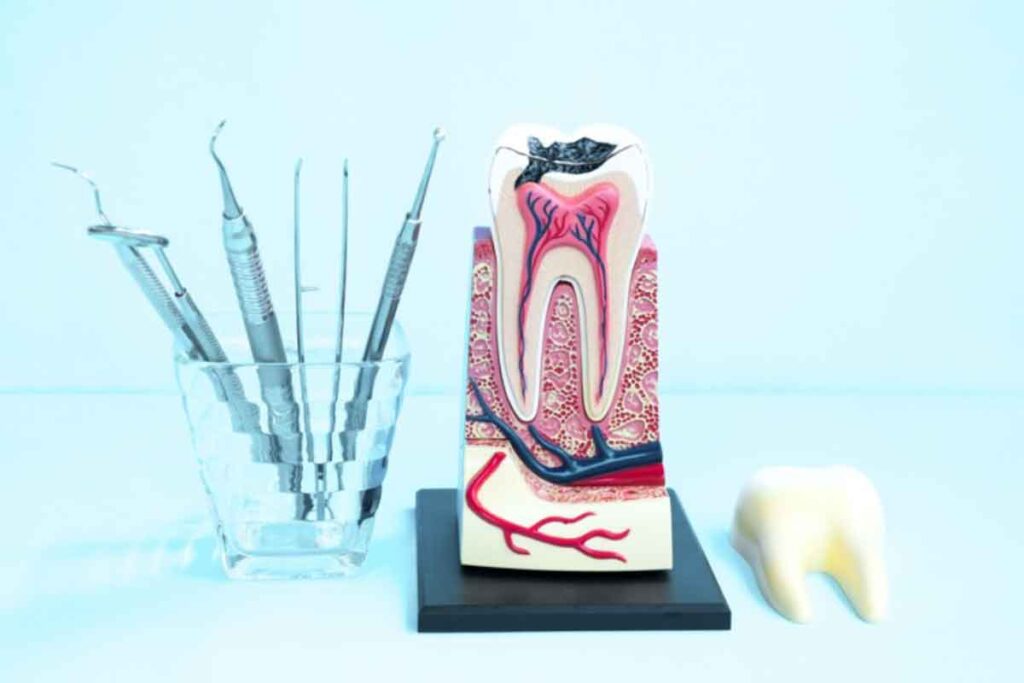
Do I Need a Crown After a Root Canal? Essential Information for Patients

A common question many patients face after undergoing root canal therapy is whether they need a crown. The simple answer is, in most cases, yes. A crown helps protect the tooth from further damage, ensuring longevity and functionality. The necessity often depends on the tooth’s location and the extent of decay or damage before the procedure. Root canals involve removing the infected pulp within the tooth, which can significantly weaken its structure. Without proper reinforcement, such as a crown, the tooth is at increased risk of fracture. In molars, where the chewing forces are the greatest, crowns are almost always recommended to provide durability and protection. Not all root-canal-treated teeth automatically require crowns, especially if the tooth is located towards the front of the mouth. A crown can restore the tooth’s shape, appearance, and function. It seals and protects the tooth from bacteria, reducing the risk of further complications and ensuring a successful recovery. Key Takeaways Most root-canal-treated teeth benefit from crowns. Crowns provide protection and longevity. Front teeth may not always need crowns. Understanding Root Canal Therapy Root canal therapy is a dental procedure designed to treat infection or damage within the tooth’s pulp. It aims to preserve the patient’s natural tooth and eliminate pain and infection. Purpose of Root Canal Treatment Root canal treatment serves to address severe infection or damage to the tooth’s pulp. The pulp is the innermost part of the tooth, containing nerves, blood vessels, and connective tissue. When the pulp becomes infected due to decay or injury, it can cause significant pain and lead to abscesses if untreated. The primary goal of this therapy is to remove the infected pulp, clean the inside of the tooth, and seal it to prevent further infection. Following the removal of the infected pulp, a tooth may become more fragile. Often, a permanent filling or crown is used to offer additional protection and restore functionality. Root canals can prevent the need for tooth extraction and help maintain the natural structure of the patient’s mouth. Procedures in Root Canal Therapy The initial step in root canal therapy involves the dentist or endodontist examining and taking X-rays of the tooth to determine the extent of the infection. Afterward, a local anesthetic is applied to numb the area around the affected tooth. Next, the dentist creates an opening through the crown of the tooth to access the infected pulp. Using specialized instruments, they remove the pulp, clean the root canals, and shape them for filling. Once the cleaning is complete, the canals are filled with a rubber-like material called gutta-percha. To finish the procedure, a temporary filling is placed to seal the opening. In many cases, to provide added strength and function, a crown may be recommended after the root canal therapy to restore the tooth to its full functionality and durability. The Role of Dental Crowns Dental crowns play a crucial role in restoring teeth after significant dental procedures such as root canals. They not only protect the treated teeth but also improve their appearance, ensuring both functionality and aesthetics. Protection After Root Canal A tooth that has undergone a root canal can become weak and brittle. This is especially true for molars, which endure heavy chewing forces. For this reason, fitting a crown after a root canal on a molar is often essential to prevent fractures and further decay. Crowns act as a shield, covering the treated tooth entirely. This protective layer helps distribute the biting forces evenly across the tooth, minimizing the risk of damage. A dentist typically recommends this when reduced tooth structure is insufficient to handle daily wear and tear. Without a crown, a molar that has had a root canal is more susceptible to breaking, which could lead to the need for additional dental work. Ensuring the longevity of the repair, crowns effectively prolong the usability and health of the tooth. Aesthetic Considerations for Crowns Besides protection, crowns provide significant aesthetic benefits. When a front tooth undergoes a root canal, preserving its appearance is crucial. Crowns are designed to match the color and shape of natural teeth, ensuring a seamless look. A crown can cover discoloration or imperfections caused by extensive dental work. This is vital for maintaining an appealing smile. For front teeth, the aesthetic requirement is higher, as these teeth are visible when talking and smiling. Modern dental materials, such as porcelain and ceramic, allow crowns to mimic the translucency and natural shine of original teeth. Thus, they serve a dual purpose—reinforcing the structural integrity of the tooth and enhancing its visual appeal. Determining the Need for a Crown Choosing whether to get a crown after a root canal depends on various factors, such as the tooth’s location and the extent of the damage. This section covers how these factors come into play and the differences between molars and front teeth in requiring a crown. Factors Influencing the Requirement for a Crown Several elements contribute to the decision to use a crown after a root canal treatment. Key factors include the extent of tooth damage, tooth location, and the patient’s dental history. A tooth that has undergone significant structural loss is more likely to need a crown. Teeth that serve a primary function in chewing, like molars, are at higher risk of fractures without a crown. In contrast, less stressed teeth, such as front teeth, may sometimes avoid a crown if they are still structurally sound. Additionally, a patient’s dental habits, such as grinding teeth (bruxism), can also influence this decision. Assessment by Location: Molars vs. Front Teeth Crowns are nearly always recommended for molars after root canal treatment due to the heavy chewing forces these teeth endure. Molars, being in the back of the mouth, take on significant pressure which can lead to fractures or breaking if not adequately protected by a crown. Front teeth, on the other hand, are less likely to require a crown given their lower load-bearing role. A dentist may decide against a crown if the front

Scroll to Top