Medora Dental Care

Cosmetic Dentistry

Cosmetic Dentistry, Family Dentist

General vs Cosmetic Dentistry: Key Differences That Matter

Dental care choices become clearer once you understand the difference between cosmetic and general dentist services. These choices can substantially affect your treatment path. General dentists act as your first defense against oral health issues. They focus on preventing, diagnosing and treating oral diseases. Cosmetic dentists take a different approach by specializing in smile enhancement through specific procedures. Your general dentist keeps your oral health in check with basic services. These include routine check-ups, cleanings, fillings, and root canals. Cosmetic dentists work on making your teeth and gums look better. They offer specialized treatments like teeth whitening, veneers, and dental implants. The cost factor also sets these services apart. Insurance usually covers general dental work, but cosmetic treatments need direct payment from patients. This piece covers everything about general and cosmetic dentistry differences. You’ll find what you need to make smart choices about your dental care. The information ranges from treatment goals and common procedures to costs and insurance coverage. It helps you pick the right dental professional that matches your needs perfectly. Understanding General vs Cosmetic Dentistry: Core Differences The main difference between general and cosmetic dentistry shows up in their goals and how they approach dental care. These two branches serve different purposes but sometimes overlap in what they offer. Key Focus Areas of Each Specialty General dentistry serves as the life-blood of dental health and works like your primary healthcare provider for teeth. These practitioners focus on preventing and treating oral diseases through regular check-ups, cleanings, and simple procedures. Their expertise includes preventive care, diagnosis of dental issues, and treatments that maintain optimal oral function. Cosmetic dentistry puts more weight on the artistic side of dental care and aims to boost smile esthetics. These specialists take extra training beyond dental school to become skilled at procedures that improve dental appearance. They excel at treatments that enhance tooth color, brightness, and natural appearance. Treatment Goals and Priorities Each specialty has its own set of priorities. General dentists focus on: Preventive care and early detection of dental issues Treatment of existing dental diseases Management of oral health problems Preservation of tooth function and structure Cosmetic dentists work mostly with elective and discretionary procedures. They aim to improve facial appearance and create picture-perfect smiles through specialized treatments. In spite of that, both fields share a steadfast dedication to oral health, though from different points of view. You can see where these specialties overlap in certain procedures. To cite an instance, dental crowns work for both structural (general dentistry) and esthetic (cosmetic dentistry) purposes. Many general dentists now offer simple cosmetic services, which shows how modern dental care continues to evolve. These fields may intersect, but their core approaches remain different. General dentistry champions functional restoration and disease prevention. Cosmetic dentistry creates esthetically pleasing results that boost patient confidence. This helps patients choose the type of dental care that best fits their needs. Essential Services in General and Cosmetic Dentistry General and cosmetic dentists provide different services that meet specific dental needs. Patients need to know these services to make smart choices about their dental care. Common General Dental Procedures General dentists take care of preventive and restorative procedures to keep your mouth healthy. These basic services include: Regular checkups and cleanings to track oral health Digital x-rays that find hidden problems Tooth removal and root canal work Dental fillings to treat cavities Crowns to protect damaged teeth Treatment for gum problems Popular Cosmetic Dental Treatments Cosmetic dentists focus on making your smile look better. Their main services cover: Professional whitening that removes tough stains Dental bonding to change tooth shape and hide flaws Porcelain veneers that cover chips, cracks, and stains Gum reshaping to fix uneven gum lines Tooth reshaping to adjust size and form Where Services Overlap Some dental work serves both practical and beauty purposes. The line between cosmetic and general dentist’s work sometimes blurs. Dental crowns protect damaged teeth and make them look better. Tooth-colored fillings fix cavities and improve appearance. Dental implants show another example of this overlap. These permanent replacements work well and look great. Orthodontic treatments straighten teeth, which helps both health and looks. Insurance usually pays for general dental work because it fixes health issues. Cosmetic treatments often need cash payment since insurance sees them as optional. Patients should talk about coverage with their dentists before starting treatment. General dentists and cosmetic specialists work together to give complete care. A general dentist might send patients to get cosmetic work done, especially after fixing teeth that affect how they look. Making the Right Choice: General or Cosmetic Dentist? The choice between a general dentist and cosmetic dentist depends on your dental needs and treatment goals. You should know the difference between these specialists to make better decisions about your oral care provider. Signs You Need a General Dentist You should book an appointment with a general dentist if you have: A toothache that lasts more than three days Swollen or bleeding gums that suggest gum disease Dry mouth issues affecting your oral health Teeth grinding or clenching that causes facial soreness Pain in your jaw or clicking sounds when you chew General dentists are your primary oral healthcare providers who offer complete examinations and preventive treatments. They excel at disease diagnosis, X-ray interpretation and create treatment plans to keep your oral health at its best. When to Consider a Cosmetic Dentist A cosmetic dentist might be your best choice if you have: Chipped, cracked, or misshapen teeth Gaps or spaces between teeth that need fixing Tooth stains that regular cleaning can’t remove Crooked teeth that affect your smile A desire to improve your smile through special procedures Cosmetic dentists go through extra training beyond their dental education to become skilled at esthetic procedures. They focus on improving facial appearance through treatments like veneers, whitening and dental bonding. General and cosmetic dentistry sometimes overlap, especially in procedures that serve both practical and esthetic purposes. To name just one example, dental veneers protect tooth surfaces

Cosmetic Dentistry, Crowns

Is Getting a Crown Painful? What to Expect at the Dentist 

Dental crown procedures cause minimal discomfort these days. Modern dental techniques and local anesthesia ensure patients feel pressure instead of pain during the procedure.  A dental crown procedure might seem scary, especially to children or people with dental anxiety. The process becomes less daunting once you understand it better. This piece walks you through everything about dental crown procedures, from your first consultation to maintaining your crown.  Is getting a Crown Really Painful?  People often worry about pain during dental crown procedures, but the experience isn’t usually painful. Dentists use local anesthesia to keep patients comfortable during the entire process.  The crown placement doesn’t hurt, but you might feel some sensitivity and mild discomfort once the anesthesia fades. Your body needs three to four days to get used to the new crown, and during this time you may notice some temporary sensations.  Normal post-crown sensations may include:  Mild sensitivity to hot and cold  Slight pressure when biting down  Temporary gum tenderness  Minor adjustment discomfort  Most people can manage any discomfort with over-the-counter pain relievers. Pain that lasts more than two weeks or severe discomfort that keeps you awake isn’t normal, and you should see your dentist right away.  Your crown’s fit makes a big difference in how comfortable it feels. A crown that doesn’t fit well can cause ongoing discomfort and change how your teeth come together. People who grind their teeth at night might feel more pressure on their crown, which can lead to discomfort or jaw pain.  Most patients notice their sensitivity gets better each day as they adjust to their new crown. A crowned tooth can still have issues like natural teeth, but the protection it offers is worth the brief discomfort during the adjustment period.  Your dentist might suggest staying away from very hot or cold foods and being gentle with your oral hygiene around the crowned area. Most people find their crown feels natural within a few days if they take good care of it.  Preparing for Your Dental Crown  A well-prepared dental crown procedure leads to successful treatment and helps reduce anxiety. The process has multiple steps that start with your first consultation. These steps include managing pre-procedure concerns and dental anxiety.  First consultation process  Your dentist will examine the affected tooth and surrounding areas during your first visit. X-rays help them get a full picture of the tooth’s roots and surrounding bone structure. The dental team will explain different crown materials you can choose from. These include porcelain, metal, or combination options. This knowledge helps patients make better decisions based on their needs.  Pre-procedure considerations  Patients should take these steps before their crown procedure:  Regular brushing and antiseptic mouthwash are essential for good oral hygiene  Your dentist needs to know about your medical conditions and current medications  Someone should drive you home if you need sedation  Your dentist’s dietary guidelines must be followed strictly  Managing dental anxiety  Many patients ask “is getting a crown painful.” The good news is that anxiety management options can help. Studies show 36% of people feel anxious about dental visits. Dentists provide several comfort measures such as:  Relaxation techniques: Deep breathing exercises and meditation help reduce heart rate and create a sense of calm. Dentists let patients listen to music or podcasts through headphones during treatment.  Sedation options: Nitrous oxide (“laughing gas”) or conscious sedation might work best for patients with severe anxiety. Anti-anxiety medications taken before the appointment help some patients. Your dentist will suggest the best options based on your needs and medical history.  What to Expect During Crown Placement  A dental crown placement needs several coordinated steps. The process starts with numbing and ends with final adjustments. Same-day crowns take 2 to 4 hours. Traditional crowns need two separate appointments with 1-2 weeks between them.  Numbing and preparation process  Your dentist starts by giving local anesthesia to keep you comfortable. You can choose from different anesthetic options. Short-acting solutions last 1-3 hours, while long-acting ones work for 2-5 hours. The dentist prepares your tooth after the area becomes numb by:  Removing decay or damaged areas  Filing the tooth down to make room for the crown  Cleaning and disinfecting the area  Crown fitting and adjustment  The dentist takes detailed impressions once your tooth is ready. They use either traditional putty-like material or digital scanning technology. Your dentist places a temporary crown while a dental laboratory crafts the permanent one for traditional crowns. The final fitting includes checks for:  Crown’s shape and color match  Proper lineup with nearby teeth  Your bite comfort and function  Duration of the procedure  Crown types determine how long the process takes. Same-day crowns need one 2-4 hour appointment. Traditional crowns require two separate visits. The first visit lasts about an hour. The second visit takes 30-60 minutes. Manufacturing the permanent crown between appointments usually takes two to three weeks.  Common Concerns About Crown Pain  Dental crown procedures rarely cause major discomfort, yet patients ask questions about pain levels. Patients need to distinguish normal sensitivity from concerning symptoms to understand their recovery process.  Myths vs. reality about crown pain  Modern dental techniques have made the belief about excessive crown pain outdated. Dentists now use effective anesthetics that minimize discomfort during procedures. Some patients feel mild discomfort after the procedure, but it remains manageable and temporary.  Sensitivity after crown placement  A patient’s sensitivity typically lasts from a few days to two weeks. Common experiences include:  Hot and cold temperature sensitivity  Mild pressure during biting  Tender gums around the crown  The tooth naturally adapts to the new crown, and most sensitivity issues fade away. Regular over-the-counter pain relievers help manage temporary discomfort.  Signs of complications  Normal sensitivity exists, but certain symptoms need immediate dental attention:  Pain that continues beyond two weeks  Sharp or increasing discomfort  Constant pain during biting  Infection symptoms or swelling  Loose or damaged crown  Poor crown fit creates ongoing discomfort and affects bite arrangement. Patients might experience jaw pain and headaches that need professional adjustment.  Key Insight: Crown-related discomfort remains temporary

Cosmetic Dentistry, Implants

How Long Do Dental Implants Last? Key Factors to Consider 

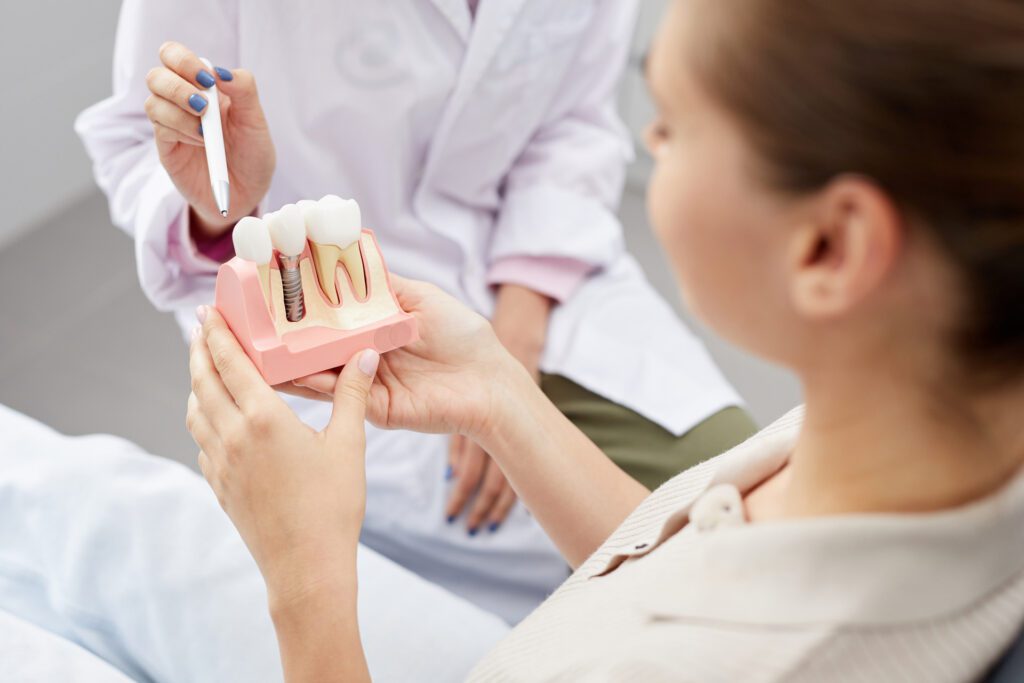
Dental implants last 20-25 years or longer when properly cared for and maintained. They stand out as one of the most durable and reliable options to replace teeth in modern dentistry.  Your dental implant’s lifespan can vary by a lot based on several factors. Oral hygiene habits, overall health, and lifestyle choices play crucial roles. These implants offer a permanent solution, but their durability depends on good maintenance and avoiding harmful habits like smoking.  This piece gets into what makes dental implants last longer, along with everything in maintenance, potential risks, and ways to protect your investment in oral health. You’ll discover the key factors behind successful implants and learn how to make them last longer through proper care.  Understanding Dental Implant Longevity  Studies show remarkable results about how long dental implants last. A study conducted at the University of Alberta’s School of Dentistry over a 10-year period found an impressive implant survival rate of 99.7%. We have a long way to go, but we can build on this progress to understand their longevity better.  Average lifespan of dental implants  Research from the Royal College of Dental Surgeons of Ontario (RCDSO) indicates the following cumulative survival rates for dental implants:  96.7% at 5 years  92.5% at 10 years  86% at 15 years  Factors affecting implant success rates  These factors play a crucial role in implant longevity:  Bone quality and density – Type I bone achieves 90.9% survival rate. Type IV bone shows better results with 97.41% success  Patient age – People over 60 years face higher failure rates  Implant specifications – Failure rates increase with implants longer than 11.5mm and those narrower than 3.75mm  Medical conditions – Diabetes, cardiovascular diseases, and autoimmune disorders can affect healing and integration  Different types of dental implants and their durability  Two main types of dental implants show different durability patterns. Endosteal implants made from titanium or ceramic go directly into the jawbone and achieve the best long-term success. These implants create a stable foundation by bonding with bone tissue through osseointegration.  Subperiosteal implants sit under the gums but above the jawbone. They work well when traditional implants aren’t possible. They’re nowhere near as stable as endosteal implants.  Mini dental implants (MDIs) provide a less invasive option with their narrower diameter. Scientists designed them to last permanently, but research about their long-term success continues to emerge.  Essential Maintenance for Long-Lasting Dental Implants  Dental implants need proper maintenance to last as long as possible. A detailed maintenance plan that combines daily care and professional oversight substantially affects success rates. Research indicates patients should schedule hour-long maintenance visits every three months to assess changes in their oral and general health.  Daily care routine for implants  Patients need to clean their implants twice daily with a soft-bristled toothbrush and non-abrasive toothpaste. Flossing and interdental brushes help remove trapped food particles and stop plaque from building up around implants. Using an antibacterial mouthwash helps keep bacteria under control and prevents infections.  Professional maintenance schedule  Dental professionals recommend check-ups every three months. They use specialized tools that work safely with implant materials during these visits. Modern powder air flow polishing systems remove biofilm from implant surfaces effectively. Titanium implant scalers work best to clean titanium implant surfaces.  Signs of potential problems to watch for  Look out for these warning signs with your implants:  Gum irritation or redness around the implant  Implant mobility or looseness  Persistent pain or swelling  Exposure of the metallic post under the gumline  Spotting these problems early makes a big difference. Conditions like peri-implantitis can get worse faster when left untreated. Contact your dental professional right away if you notice any changes in your implant’s stability or the health of surrounding tissue.  Risk Factors That Can Shorten Implant Lifespan  Dental implant lifespan can substantially decrease due to health conditions and daily habits. Studies reveal that dental implants generally succeed, but certain risk factors can make them two to three times more likely to fail.  Medical conditions affecting implant success  Diabetes creates unique challenges for patients with dental implants. Research suggests that uncontrolled diabetes leads to slower healing and raises the risk of implant complications. Autoimmune conditions and heart diseases can affect implant success. Recent studies show that well-managed conditions don’t substantially change implant survival rates.  Lifestyle habits to avoid  Smoking emerges as the main risk factor. Studies reveal failure rates of 11% in smokers versus 5% in non-smokers. The upper jaw shows even worse results, with smokers’ failure rates nearly tripling. Other harmful habits include:  Heavy alcohol use that causes dry mouth and weakens nearby tissues  Teeth grinding that puts too much force on implants  Poor stress control that slows healing and weakens immune response  Impact of oral hygiene practices  Poor oral hygiene leads to implant failure through peri-implantitis, an infection that damages the implant’s supporting structures. Studies show smokers with poor oral hygiene lost three times more bone over 10 years compared to non-smokers. Professional cleanings and proper daily care reduce these risks substantially. Research shows consistent maintenance prevents most hygiene-related problems.  Maximizing Your Dental Implant Investment  Dental implants need a large upfront investment, but their durability and functionality make them worth the cost. Studies reveal that implant restorations become more economical than conventional bridges after 7 years and need less maintenance.  Cost comparison with other tooth replacement options  A single tooth implant costs between CAD 1,393 and CAD 8,360. The long-term expenses tell a different story:  Traditional dentures need replacement every 5-7 years  Bridges last 5-15 years before needing replacement  Dental implants can last a lifetime with proper care  Insurance and warranty considerations  Dental insurance plans cover implants differently. Some plans partly cover the costs while others don’t cover implants. Leading implant manufacturers offer lifetime warranties on their products  Long-term value assessment  Dental implants prove more valuable than other treatment options. They protect the jawbone structure and stop adjacent teeth from moving, which leads to better oral health. Research on full-mouth restoration shows that implants improve oral health-related quality of life despite higher upfront

Bridges, Cosmetic Dentistry

Can You Eat Normally with a Dental Bridge? What You Need to Know 

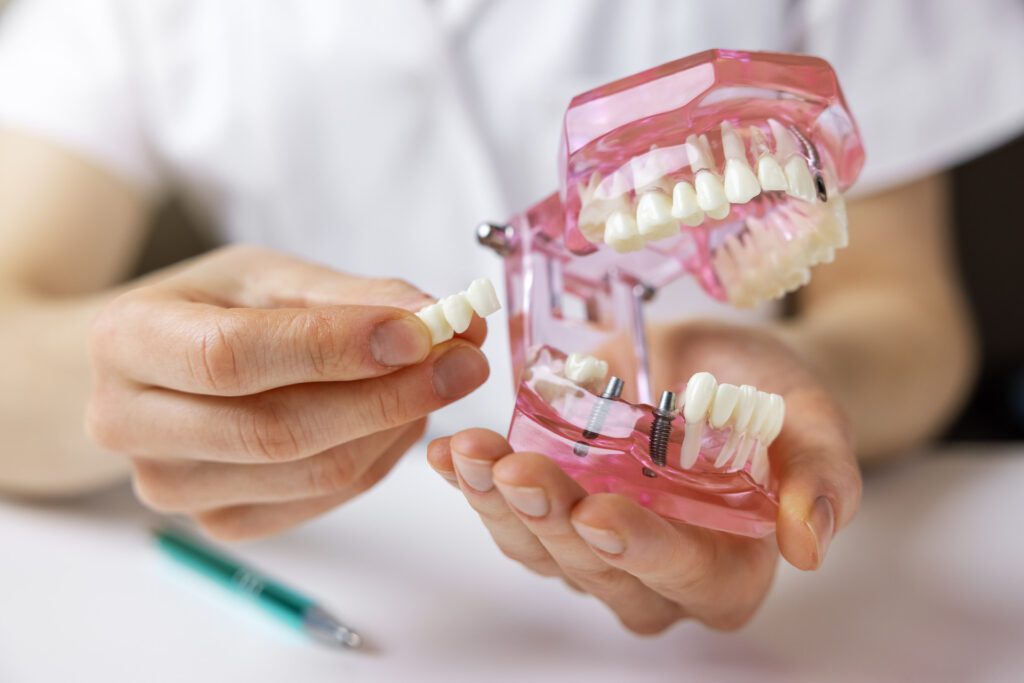
Dental patients often wonder if they can enjoy their meals after getting a dental bridge. The good news is that eating normally becomes possible after a brief adjustment period. The original few days need some changes in diet, but patients typically return to their regular eating habits within weeks.  A dental bridge needs time to feel natural. Understanding what lies ahead makes everything easier. This piece covers everything from adjustment timelines to food recommendations during recovery. You’ll discover practical ways to keep your bridge in good shape while enjoying favorite foods. The information also helps you understand the right time to reintroduce different food textures into your diet.  Understanding Your New Dental Bridge  A dental bridge is a fixed prosthetic device that brings back your smile and helps you eat normally. Patients can return to their regular eating habits and keep their oral health in good shape with this dental solution.  How dental bridges function during eating  Dental bridges help you chew normally by replacing missing teeth with a stable solution. The bridge uses artificial teeth (pontics) that connect to crowns on your natural teeth, which lets you bite and chew naturally. This setup gives you the stability you need to eat comfortably and break down food properly.  Different types of dental bridges and their effect on eating  Each type of dental bridge provides different levels of comfort and function when you eat:  Traditional bridges: These give you excellent stability when eating because crowns support both sides  Cantilever bridges: These work well but might not be ideal for chewing with your back teeth  Maryland bridges: These aren’t the best choice when you need to chew hard foods with back teeth  Implant-supported bridges: These give you the strongest bite and feel most like natural teeth  What to expect during adjustment  Your new dental bridge usually takes one to two weeks to feel comfortable. You might notice changes in how you speak and how much saliva you produce during this time. The bridge should feel natural after 6-8 weeks. Your anchor teeth may feel sensitive to temperature at first, but this feeling goes away as healing continues.  The Dental Bridge Adjustment Timeline  Your experience with eating after getting a dental bridge follows a clear timeline. The process starts right after placement and continues until you adjust fully in a few weeks. You can start eating within hours after the procedure. Following specific guidelines will give a better healing process and lasting results.  First 24 hours after placement  Wait for the local anesthesia to wear off completely before you eat. This helps avoid accidental bites to your cheek or tongue. These original hours need focus on liquids and very soft foods that need minimal chewing. Good options include:  Smooth soups and broths  Yogurt and ice cream  Protein shakes  Pureed fruits  Week one eating guidelines  The first week requires soft, easy-to-chew foods while your mouth adjusts to the new bridge. Choose nutritious options that don’t need much chewing force. Take time to chew slowly and carefully. Try to spread the pressure evenly on both sides of your mouth.  Transitioning to normal eating patterns  You can return to your regular diet within 2-4 weeks after bridge placement. Add firmer foods gradually as your comfort level increases. Simple bridges need about two weeks to heal completely. Complex procedures might take up to two months for full recovery. Bridge placements with tooth extractions need 6-8 weeks to heal. This requires a well-laid-out progression through different food textures.  Safe Foods to Eat With Your Dental Bridge  The right food choices after getting a dental bridge help ensure proper healing and a soaring win with your new dental work. A well-laid-out diet during the adjustment period supports recovery and helps you maintain proper nutrition while protecting your dental work.  Recommended soft foods for early stages  The first few days of healing require nutrient-rich soft foods that need minimal chewing. Here are some good options:  Mashed potatoes and sweet potatoes to get fiber and vitamins  Warm, pureed soups like tomato and butternut squash  Soft scrambled eggs to get protein  Yogurt and cottage cheese to get calcium  Smoothies blended with fruits and milk  Gradually introducing firmer foods  Your comfort levels will guide you to add foods with more texture. Steamed or boiled vegetables like carrots, broccoli, and sweet potatoes work well when cooked until soft. Well-cooked pasta and smaller shaped noodles add variety while staying gentle on the bridge. Soft, shredded meats such as chicken, turkey, and fish give you protein when prepared the right way.  Nutritional considerations during adjustment  Proper nutrition is a vital part of healing during the adjustment period. Your focus should be on protein-rich foods that help tissue regeneration. Soft fruits like bananas, berries, and melons give you essential vitamins without risking damage to the bridge. These options are a great way to get optimal nutrition:  Protein-packed choices like Greek yogurt and soft-cooked fish  Vitamin-rich pureed vegetables  Calcium-fortified dairy products  Note that you should cut firmer foods into smaller, manageable pieces and chew slowly while your mouth adjusts to the new bridge. The quickest way to maintain good nutrition during adjustment is through careful food selection and proper preparation methods.  Foods to Avoid With a Dental Bridge  Dental bridges help you eat normally, but some foods can damage them or make them unstable. You need to know which foods to avoid to protect your investment and make your bridge last longer. Watch out for hard foods that might crack the bridge, sticky items that could loosen it, and extreme temperatures that might cause pain.  Hard and crunchy foods to skip  Your dental bridge can crack or break if you bite down on hard foods. Here’s what you should avoid:  Ice cubes and hard candies  Raw vegetables like carrots  Nuts and popcorn kernels  Hard-crusted bread and crackers  These foods need too much force to chew and can damage your bridge’s structure over time. The best approach is to cut harder foods into smaller pieces or pick softer

Cosmetic Dentistry, Crowns, Root Canal

Do I Need a Crown After a Root Canal? Essential Information for Patients

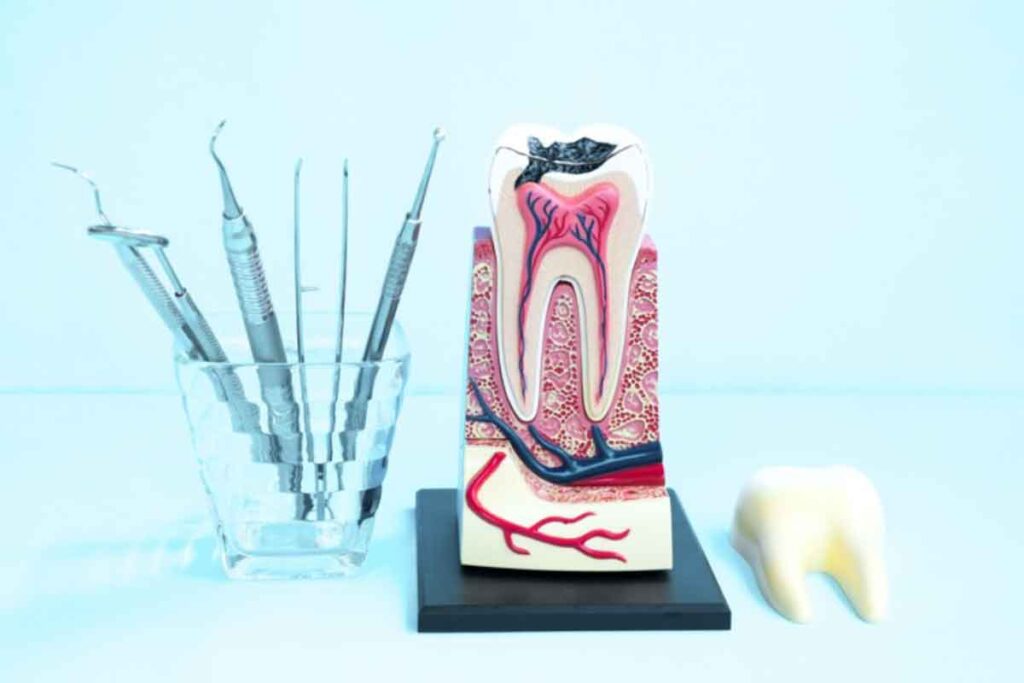
A common question many patients face after undergoing root canal therapy is whether they need a crown. The simple answer is, in most cases, yes. A crown helps protect the tooth from further damage, ensuring longevity and functionality. The necessity often depends on the tooth’s location and the extent of decay or damage before the procedure. Root canals involve removing the infected pulp within the tooth, which can significantly weaken its structure. Without proper reinforcement, such as a crown, the tooth is at increased risk of fracture. In molars, where the chewing forces are the greatest, crowns are almost always recommended to provide durability and protection. Not all root-canal-treated teeth automatically require crowns, especially if the tooth is located towards the front of the mouth. A crown can restore the tooth’s shape, appearance, and function. It seals and protects the tooth from bacteria, reducing the risk of further complications and ensuring a successful recovery. Key Takeaways Most root-canal-treated teeth benefit from crowns. Crowns provide protection and longevity. Front teeth may not always need crowns. Understanding Root Canal Therapy Root canal therapy is a dental procedure designed to treat infection or damage within the tooth’s pulp. It aims to preserve the patient’s natural tooth and eliminate pain and infection. Purpose of Root Canal Treatment Root canal treatment serves to address severe infection or damage to the tooth’s pulp. The pulp is the innermost part of the tooth, containing nerves, blood vessels, and connective tissue. When the pulp becomes infected due to decay or injury, it can cause significant pain and lead to abscesses if untreated. The primary goal of this therapy is to remove the infected pulp, clean the inside of the tooth, and seal it to prevent further infection. Following the removal of the infected pulp, a tooth may become more fragile. Often, a permanent filling or crown is used to offer additional protection and restore functionality. Root canals can prevent the need for tooth extraction and help maintain the natural structure of the patient’s mouth. Procedures in Root Canal Therapy The initial step in root canal therapy involves the dentist or endodontist examining and taking X-rays of the tooth to determine the extent of the infection. Afterward, a local anesthetic is applied to numb the area around the affected tooth. Next, the dentist creates an opening through the crown of the tooth to access the infected pulp. Using specialized instruments, they remove the pulp, clean the root canals, and shape them for filling. Once the cleaning is complete, the canals are filled with a rubber-like material called gutta-percha. To finish the procedure, a temporary filling is placed to seal the opening. In many cases, to provide added strength and function, a crown may be recommended after the root canal therapy to restore the tooth to its full functionality and durability. The Role of Dental Crowns Dental crowns play a crucial role in restoring teeth after significant dental procedures such as root canals. They not only protect the treated teeth but also improve their appearance, ensuring both functionality and aesthetics. Protection After Root Canal A tooth that has undergone a root canal can become weak and brittle. This is especially true for molars, which endure heavy chewing forces. For this reason, fitting a crown after a root canal on a molar is often essential to prevent fractures and further decay. Crowns act as a shield, covering the treated tooth entirely. This protective layer helps distribute the biting forces evenly across the tooth, minimizing the risk of damage. A dentist typically recommends this when reduced tooth structure is insufficient to handle daily wear and tear. Without a crown, a molar that has had a root canal is more susceptible to breaking, which could lead to the need for additional dental work. Ensuring the longevity of the repair, crowns effectively prolong the usability and health of the tooth. Aesthetic Considerations for Crowns Besides protection, crowns provide significant aesthetic benefits. When a front tooth undergoes a root canal, preserving its appearance is crucial. Crowns are designed to match the color and shape of natural teeth, ensuring a seamless look. A crown can cover discoloration or imperfections caused by extensive dental work. This is vital for maintaining an appealing smile. For front teeth, the aesthetic requirement is higher, as these teeth are visible when talking and smiling. Modern dental materials, such as porcelain and ceramic, allow crowns to mimic the translucency and natural shine of original teeth. Thus, they serve a dual purpose—reinforcing the structural integrity of the tooth and enhancing its visual appeal. Determining the Need for a Crown Choosing whether to get a crown after a root canal depends on various factors, such as the tooth’s location and the extent of the damage. This section covers how these factors come into play and the differences between molars and front teeth in requiring a crown. Factors Influencing the Requirement for a Crown Several elements contribute to the decision to use a crown after a root canal treatment. Key factors include the extent of tooth damage, tooth location, and the patient’s dental history. A tooth that has undergone significant structural loss is more likely to need a crown. Teeth that serve a primary function in chewing, like molars, are at higher risk of fractures without a crown. In contrast, less stressed teeth, such as front teeth, may sometimes avoid a crown if they are still structurally sound. Additionally, a patient’s dental habits, such as grinding teeth (bruxism), can also influence this decision. Assessment by Location: Molars vs. Front Teeth Crowns are nearly always recommended for molars after root canal treatment due to the heavy chewing forces these teeth endure. Molars, being in the back of the mouth, take on significant pressure which can lead to fractures or breaking if not adequately protected by a crown. Front teeth, on the other hand, are less likely to require a crown given their lower load-bearing role. A dentist may decide against a crown if the front

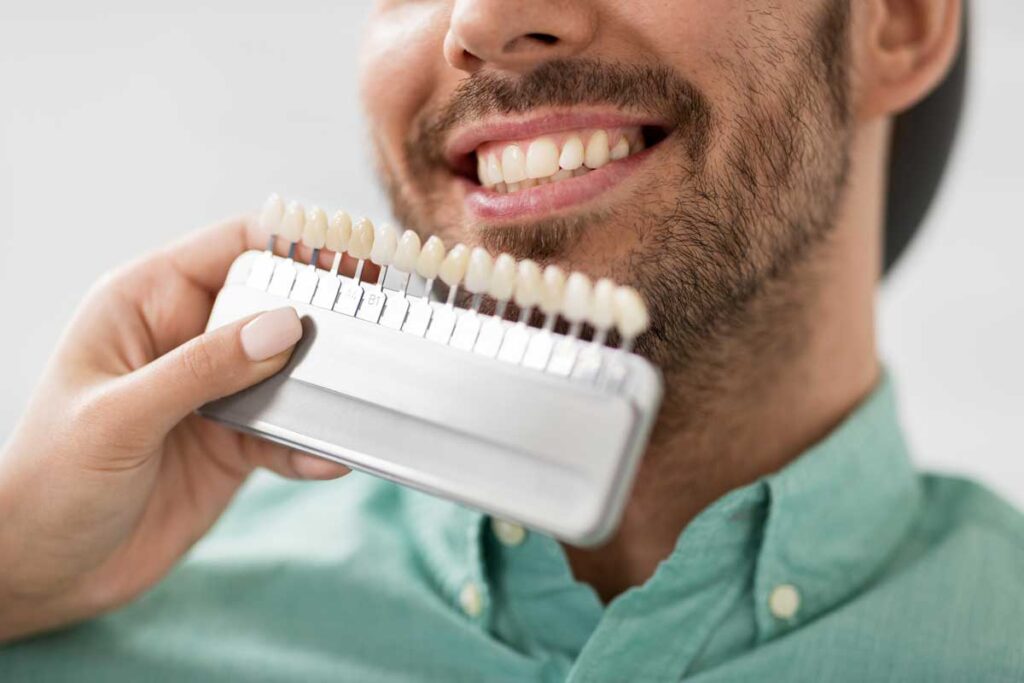
dentist checking teeth shades
Cosmetic Dentistry, Veneers

How long do porcelain veneers really last?

Porcelain veneers typically last between 10 to 15 years when maintained properly. However, with optimal care, the lifespan of high-quality porcelain veneers can extend up to 20 years. Factors influencing their longevity include oral hygiene practices, the presence of habits like teeth grinding, and general dental trauma. The survival rates of porcelain veneers are impressive, showing 93-96% viability after five years, 91-93% after ten years, and 87% beyond eleven years. Introduction Porcelain veneers have become a cornerstone in cosmetic dentistry for enhancing smiles. They are not just celebrated for their aesthetic appearance but also for their durability, typically lasting between 10 to 20 years with proper care. As thin shells tailored to fit the front surface of teeth, they address a variety of dental concerns, from discoloration to misalignment, boosting both confidence and self-esteem. Considering the investment in veneers for teeth, patients often inquire, “how long do porcelain veneers last? It’s a testament to their value in longstanding smile rejuvenation. This article will explore factors influencing their lifespan, maintenance tips for longevity, and how they compare to alternatives like composite veneers after 5 years, aiming to provide comprehensive insights into maximizing the life of your porcelain veneers. Understanding Porcelain Veneers   Properties and Customization Porcelain veneers are crafted from high-quality porcelain, renowned for their resistance to wear, fractures, and temperature changes, making it an ideal material for dental restorations. These veneers are not only durable but also customizable in shade and translucency, ensuring they blend seamlessly with natural teeth for lifelike results. This customization capability allows porcelain veneers to effectively address a variety of dental issues such as misalignment, stains, gaps, and even cracked or short teeth, significantly enhancing the appearance of a smile. Preparation and Placement Process The process of applying porcelain veneers involves meticulous preparation and precise execution. Initially, teeth are examined, and a small amount of enamel is removed to accommodate the veneer, a step that is essential for a flush fit. Impressions of the prepared teeth are then taken and sent to a dental lab where each veneer is custom-made. Upon return, the veneers are carefully checked for perfect color, shape, and fit before being permanently bonded to the teeth with dental cement, a process that significantly improves the cosmetic appearance. Maintenance and Longevity Maintaining porcelain veneers is straightforward and does not require additional care beyond regular dental hygiene practices. Regular brushing, flossing, and dental check-ups are essential to maintain the integrity and aesthetics of the veneers. Although porcelain veneers are stain-resistant, they are not impervious to discoloration over time from dark-colored foods and beverages. With proper care, these veneers can last between 10 to 15 years, making them a durable choice for cosmetic dental improvements. Factors Influencing the Lifespan of Porcelain Veneers Quality of Materials and Craftsmanship The longevity of porcelain veneers heavily depends on the quality of the materials used and the level of craftsmanship involved in their creation. Veneers made from high-quality porcelain are more durable and exhibit superior resistance to wear and staining. Expert craftsmanship ensures that the veneers fit perfectly and are bonded correctly, which is crucial for their longevity. Oral Hygiene and Care Routine Oral Care: Regular brushing and flossing are essential to maintaining the integrity of porcelain veneers. Proper oral hygiene prevents decay and gum disease, which can undermine the veneers. Professional Dental Check-ups: Regular visits to the dentist allow for early detection and treatment of any issues that might affect the veneers’ longevity. These check-ups are critical for maintaining the health of both natural teeth and veneers. Avoidance of Hard Foods and Objects: Patients are advised to avoid using their veneers to bite hard objects, such as ice or hard candy, and to refrain from using teeth as tools to open packages or remove knots. Lifestyle Factors Dietary Choices: Consuming foods and drinks high in tannins, like coffee, red wine, and tea, can stain veneers over time. It is advisable to limit these to maintain the aesthetic quality of the veneers. Teeth Grinding and Clenching: For patients who grind their teeth, using a bite guard can help protect veneers from excessive pressure and potential damage. Smoking and Tobacco Use: Avoiding tobacco products can prevent the discoloration and premature aging of veneers. By understanding and managing these factors, patients can significantly enhance the durability and appearance of their porcelain veneers, ensuring they enjoy a beautiful smile for many years. Maximizing the Longevity of Porcelain Veneers Essential Care Practices To ensure porcelain veneers maintain their aesthetic and functional qualities over the years, a meticulous oral hygiene regimen is crucial. Brushing at least twice a day with a soft-bristled toothbrush and non-abrasive toothpaste, along with daily flossing, helps prevent the build-up of plaque that can lead to gum disease and undermine the integrity of the veneers. Additionally, using mouthwash after meals can minimize the risk of staining, preserving the veneers’ appearance. Regular Dental Assessments Scheduling dental check-ups every six months is vital for the longevity of porcelain veneers. These visits allow dentists to perform thorough cleanings to remove tartar and plaque build-up and to assess the condition of the veneers and their overall oral health. During these assessments, dentists can promptly address any issues, such as minor chips or the need for re-bonding, which might affect the veneers’ lifespan. Regular professional care ensures that any potential problems are identified and managed before they become serious. Lifestyle Adjustments for Veneer Longevity Adopting lifestyle habits that protect porcelain veneers can significantly extend their lifespan. It is advisable to avoid biting into hard foods or using teeth as tools, as these actions can cause damage to the veneers. Additionally, limiting the intake of staining foods and beverages, such as coffee, tea, and red wine, can help maintain the veneers’ bright, white appearance. For those who engage in sports or have a habit of teeth grinding, wearing a custom-fitted mouthguard can provide protection against impacts and pressure that might otherwise crack or chip the veneers. Comparing Porcelain Veneers to Other Cosmetic Options Porcelain veneers are often compared to

Scroll to Top