
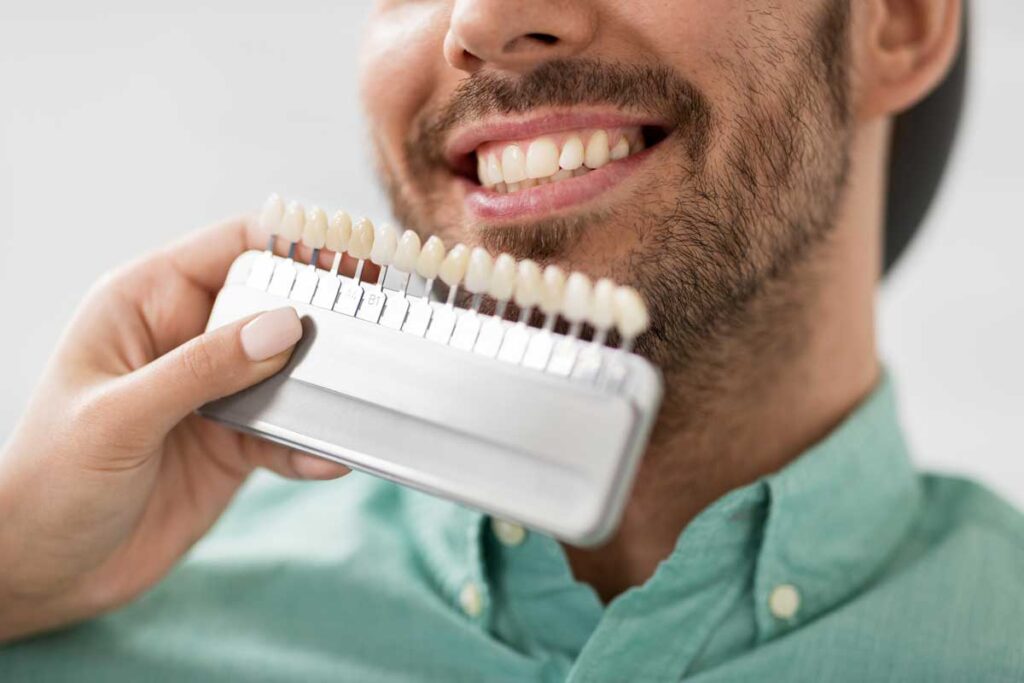
How long do porcelain veneers really last?
Porcelain veneers typically last between 10 to 15 years when maintained properly. However, with optimal care, the lifespan of high-quality porcelain veneers can extend up to 20 years. Factors influencing their longevity include oral hygiene practices, the presence of habits like teeth grinding, and general dental trauma. The survival rates of porcelain veneers are impressive, showing 93-96% viability after five years, 91-93% after ten years, and 87% beyond eleven years. Introduction Porcelain veneers have become a cornerstone in cosmetic dentistry for enhancing smiles. They are not just celebrated for their aesthetic appearance but also for their durability, typically lasting between 10 to 20 years with proper care. As thin shells tailored to fit the front surface of teeth, they address a variety of dental concerns, from discoloration to misalignment, boosting both confidence and self-esteem. Considering the investment in veneers for teeth, patients often inquire, “how long do porcelain veneers last? It’s a testament to their value in longstanding smile rejuvenation. This article will explore factors influencing their lifespan, maintenance tips for longevity, and how they compare to alternatives like composite veneers after 5 years, aiming to provide comprehensive insights into maximizing the life of your porcelain veneers. Understanding Porcelain Veneers Properties and Customization Porcelain veneers are crafted from high-quality porcelain, renowned for their resistance to wear, fractures, and temperature changes, making it an ideal material for dental restorations. These veneers are not only durable but also customizable in shade and translucency, ensuring they blend seamlessly with natural teeth for lifelike results. This customization capability allows porcelain veneers to effectively address a variety of dental issues such as misalignment, stains, gaps, and even cracked or short teeth, significantly enhancing the appearance of a smile. Preparation and Placement Process The process of applying porcelain veneers involves meticulous preparation and precise execution. Initially, teeth are examined, and a small amount of enamel is removed to accommodate the veneer, a step that is essential for a flush fit. Impressions of the prepared teeth are then taken and sent to a dental lab where each veneer is custom-made. Upon return, the veneers are carefully checked for perfect color, shape, and fit before being permanently bonded to the teeth with dental cement, a process that significantly improves the cosmetic appearance. Maintenance and Longevity Maintaining porcelain veneers is straightforward and does not require additional care beyond regular dental hygiene practices. Regular brushing, flossing, and dental check-ups are essential to maintain the integrity and aesthetics of the veneers. Although porcelain veneers are stain-resistant, they are not impervious to discoloration over time from dark-colored foods and beverages. With proper care, these veneers can last between 10 to 15 years, making them a durable choice for cosmetic dental improvements. Factors Influencing the Lifespan of Porcelain Veneers Quality of Materials and Craftsmanship The longevity of porcelain veneers heavily depends on the quality of the materials used and the level of craftsmanship involved in their creation. Veneers made from high-quality porcelain are more durable and exhibit superior resistance to wear and staining. Expert craftsmanship ensures that the veneers fit perfectly and are bonded correctly, which is crucial for their longevity. Oral Hygiene and Care Routine Oral Care: Regular brushing and flossing are essential to maintaining the integrity of porcelain veneers. Proper oral hygiene prevents decay and gum disease, which can undermine the veneers. Professional Dental Check-ups: Regular visits to the dentist allow for early detection and treatment of any issues that might affect the veneers’ longevity. These check-ups are critical for maintaining the health of both natural teeth and veneers. Avoidance of Hard Foods and Objects: Patients are advised to avoid using their veneers to bite hard objects, such as ice or hard candy, and to refrain from using teeth as tools to open packages or remove knots. Lifestyle Factors Dietary Choices: Consuming foods and drinks high in tannins, like coffee, red wine, and tea, can stain veneers over time. It is advisable to limit these to maintain the aesthetic quality of the veneers. Teeth Grinding and Clenching: For patients who grind their teeth, using a bite guard can help protect veneers from excessive pressure and potential damage. Smoking and Tobacco Use: Avoiding tobacco products can prevent the discoloration and premature aging of veneers. By understanding and managing these factors, patients can significantly enhance the durability and appearance of their porcelain veneers, ensuring they enjoy a beautiful smile for many years. Maximizing the Longevity of Porcelain Veneers Essential Care Practices To ensure porcelain veneers maintain their aesthetic and functional qualities over the years, a meticulous oral hygiene regimen is crucial. Brushing at least twice a day with a soft-bristled toothbrush and non-abrasive toothpaste, along with daily flossing, helps prevent the build-up of plaque that can lead to gum disease and undermine the integrity of the veneers. Additionally, using mouthwash after meals can minimize the risk of staining, preserving the veneers’ appearance. Regular Dental Assessments Scheduling dental check-ups every six months is vital for the longevity of porcelain veneers. These visits allow dentists to perform thorough cleanings to remove tartar and plaque build-up and to assess the condition of the veneers and their overall oral health. During these assessments, dentists can promptly address any issues, such as minor chips or the need for re-bonding, which might affect the veneers’ lifespan. Regular professional care ensures that any potential problems are identified and managed before they become serious. Lifestyle Adjustments for Veneer Longevity Adopting lifestyle habits that protect porcelain veneers can significantly extend their lifespan. It is advisable to avoid biting into hard foods or using teeth as tools, as these actions can cause damage to the veneers. Additionally, limiting the intake of staining foods and beverages, such as coffee, tea, and red wine, can help maintain the veneers’ bright, white appearance. For those who engage in sports or have a habit of teeth grinding, wearing a custom-fitted mouthguard can provide protection against impacts and pressure that might otherwise crack or chip the veneers. Comparing Porcelain Veneers to Other Cosmetic Options Porcelain veneers are often compared to