Sedation Dentistry in Abbotsford BC – How We Help Anxious Patients Smile Again
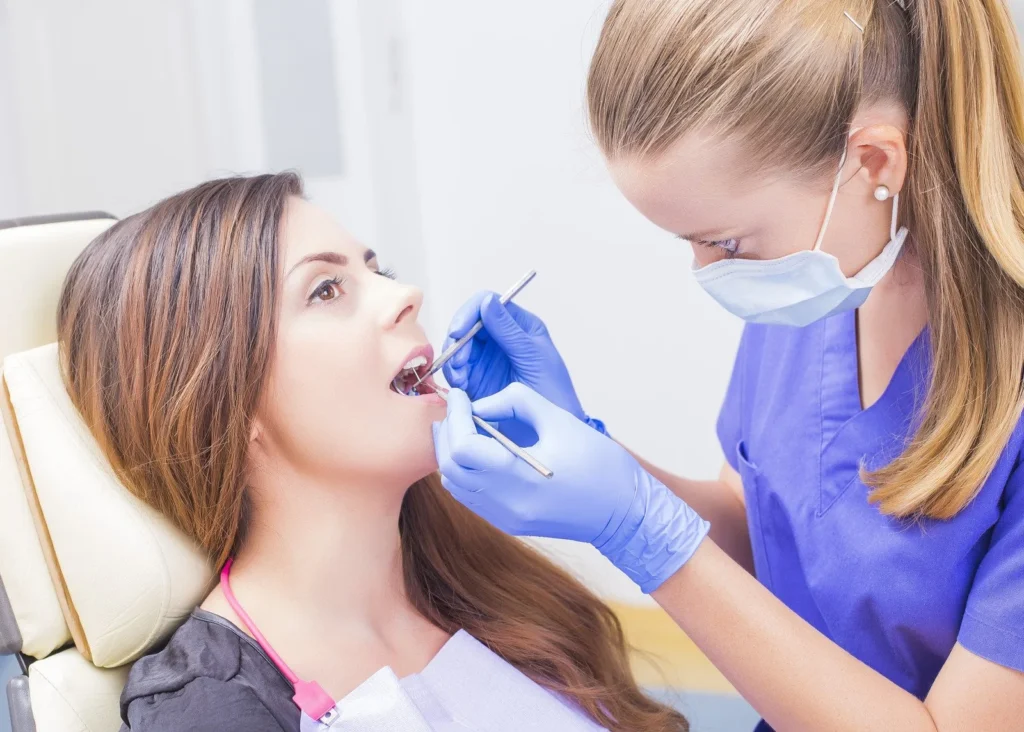
If the sound of a dental drill makes your heart race, if you’ve cancelled dental appointments more times than you can count, if you’ve been putting off needed care for years because of fear — you are absolutely not alone. Dental anxiety affects an estimated 36% of adults. Some people experience it as mild nervousness; for others, it’s a full-blown phobia that keeps them from getting care they desperately need. The result? Worsening dental problems, increasing pain, and a cycle that makes the eventual dentist visit even more daunting. At Medora Dental Care in Abbotsford, we’ve built our entire practice culture around one mission: making dentistry gentle, compassionate, and — for the patients who need it — completely relaxed through our sedation dentistry options. What Is Sedation Dentistry? Sedation dentistry uses medication to help patients relax during dental procedures. Depending on the level of sedation, you may be completely awake (but deeply relaxed), drowsy and hazy, or in some cases entirely asleep. It’s safe, carefully monitored, and extraordinarily effective for anxious patients. At Medora Dental Care, our sedation dentist Dr. Ghazvini specializes in this area, approaching every nervous patient with calm, patience, and genuine empathy. Types of Sedation Dentistry We Offer in Abbotsford 1. Nitrous Oxide (Laughing Gas) The mildest and most commonly used form of sedation. Nitrous oxide is delivered through a small nose mask and takes effect within minutes. You’ll feel relaxed, comfortable, and slightly euphoric — fully conscious but at ease. The effects wear off quickly after the mask is removed, so you can drive yourself home after your appointment. This makes it an excellent option for routine procedures, mild anxiety, and patients who have appointments during work hours. 2. Oral Sedation A prescription sedative pill (typically from the benzodiazepine family) is taken about an hour before your appointment. You’ll be awake but deeply relaxed — and many patients remember little to nothing of the procedure. You will need someone to drive you home. Oral sedation is ideal for moderate to severe dental anxiety, longer procedures, or patients who have a strong gag reflex. 3. Combination Approaches For certain patients and procedures, we may combine techniques — for example, oral sedation followed by nitrous oxide — to achieve the ideal level of comfort. Your plan is always tailored to your specific needs after a thorough consultation. Who Is Sedation Dentistry Right For? Sedation dentistry may be the answer if you: Experience significant anxiety or fear about dental visits Have had a traumatic dental experience in the past Have a strong gag reflex that makes treatment difficult Have very sensitive teeth or low pain tolerance Need multiple procedures completed in one visit Have difficulty sitting still or staying open for long periods Have avoided the dentist for years and need to ‘catch up’ on care Even patients without phobias sometimes choose sedation for lengthy or complex procedures — purely for comfort. It’s always an option worth discussing. Is Sedation Dentistry Safe? Yes, when administered by a trained and experienced dental professional. At Medora Dental Care, your vital signs are monitored throughout the procedure, and we follow all safety protocols for sedation administration. Before recommending sedation, we’ll review your full medical history and any medications you take to ensure there are no contraindications. Dr. Ghazvini’s specific expertise in sedation dentistry and TMJ treatment means you’re in highly experienced hands. What Procedures Can Be Done with Sedation? At Medora Dental Care, sedation can be used for virtually any procedure, including: Routine cleanings and check-ups (for severely anxious patients) Dental fillings Root canal treatment Tooth extractions and wisdom teeth removal Dental implant placement Multiple procedures in a single appointment Deep cleaning / periodontal treatment Need a root canal but terrified? Our root canal treatment in Abbotsford is far gentler than the reputation suggests — especially with sedation. Wisdom teeth causing problems? Our team performs wisdom teeth removal in Abbotsford with sedation options that make the experience remarkably calm. What to Expect at Your Sedation Dentistry Appointment Before Your Appointment If you’re receiving oral sedation, you’ll take the medication about an hour before arriving. For any sedation appointment, arrange for a trusted adult to drive you home. Follow any fasting or dietary instructions we provide. During Your Appointment You’ll be welcomed warmly, settled comfortably, and your sedation will be administered. Once you’re relaxed, our team will complete your treatment. You may be aware of sounds or movement but won’t feel anxious or uncomfortable. Many patients don’t even remember the procedure. After Your Appointment Depending on the sedation type, recovery is quick. With nitrous oxide, you’re ready to drive within minutes. With oral sedation, you’ll need to rest at home for the remainder of the day. We’ll give you complete aftercare instructions and follow up with you. How Medora Dental Care Creates Comfort Beyond Sedation Sedation is one of many tools we use to create a positive dental experience. Our team works hard to ensure every patient feels comfortable from the moment they walk through our door: A warm, calming clinic environment designed to reduce anxiety Transparent communication — we explain everything before we do it Unhurried appointments — you’re never rushed or pressured Judgment-free zone — no matter how long it’s been since your last visit Staff trained to recognise and respond to anxiety cues New to Medora? Learn more about our approach to family dentistry in Abbotsford — where everyone, from children to seniors, is treated with the same gentle care. Suffering from jaw pain alongside dental anxiety? Our TMJ and neuromuscular dentistry services may provide relief you didn’t expect. Frequently Asked Questions About Sedation Dentistry in Abbotsford Q: Will I be unconscious with sedation dentistry? Not necessarily. With nitrous oxide and most oral sedation, you remain conscious but deeply relaxed. You can respond to questions and instructions. General anesthesia (full unconsciousness) is different and is typically only used in hospital settings. Q: Can my child receive sedation dentistry? Nitrous oxide (laughing gas) is commonly and safely used for children