How Long Do Dental Bridges Last? A Complete Guide from Abbotsford Dentists
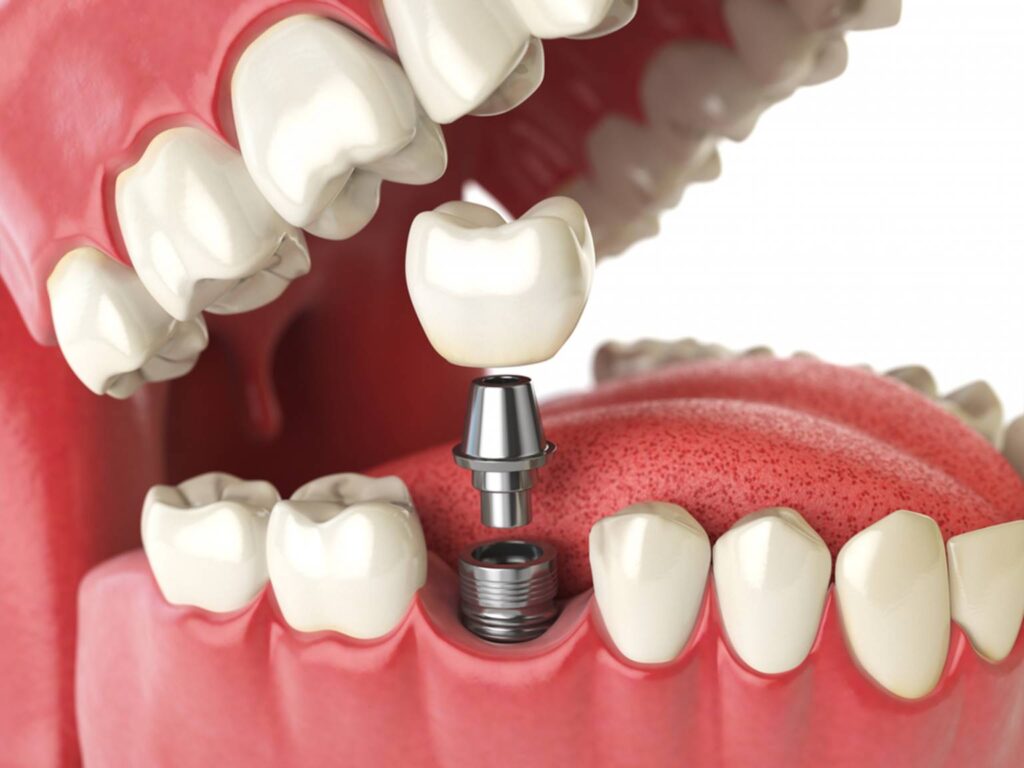
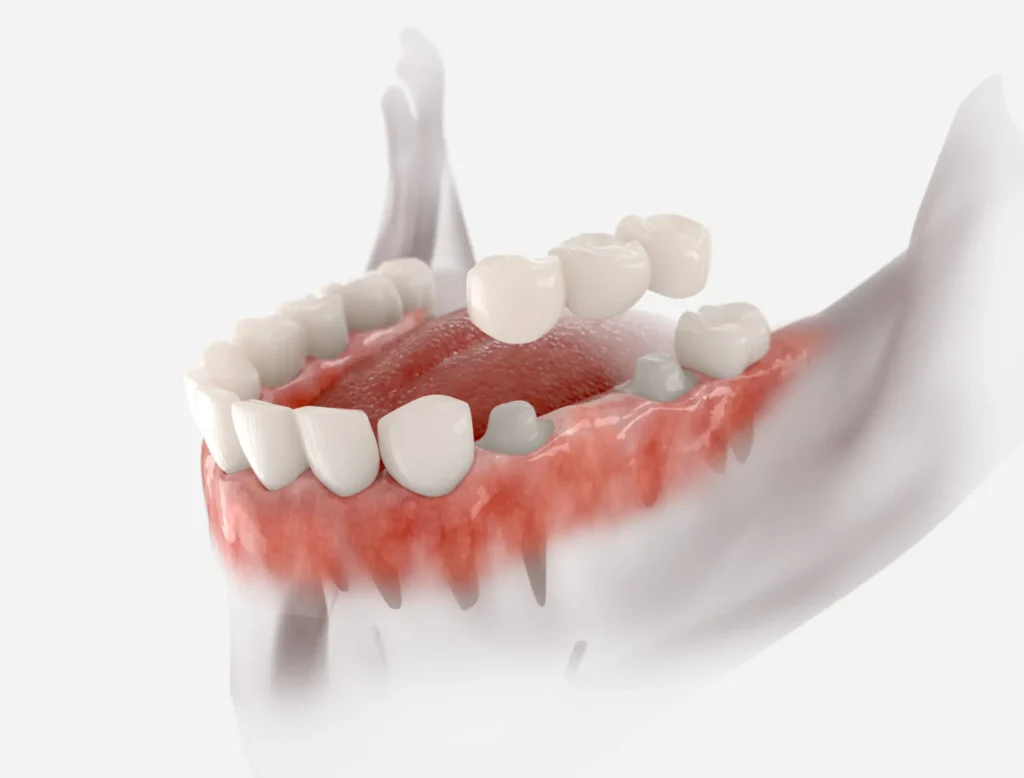
Missing teeth affect more than your smile. They change how you chew, how you speak, and even how your remaining teeth sit in your jaw over time. Among the most trusted solutions for replacing missing teeth, dental bridges remain a popular, affordable, and reliable option for patients across the Fraser Valley. But if you’re considering dental bridges in Abbotsford, you’ve probably asked yourself one key question: how long do dental bridges last, and is the investment worth it? This guide walks through everything you need to know about dental bridge lifespan, the factors that affect durability, how to properly maintain your bridge, warning signs that replacement may be needed, and expert advice on dental bridges from Abbotsford dentists who see these restorations succeed — and occasionally fail — every day. What Is a Dental Bridge? A dental bridge is a fixed dental restoration used to replace one or more missing teeth by literally “bridging” the gap between healthy teeth or dental implants. Unlike removable dentures, a fixed dental bridge is cemented or bonded into place, so you don’t take it in and out. It restores your ability to chew properly, keeps your bite aligned, and prevents neighbouring teeth from shifting into the empty space left by a missing tooth. A typical bridge is made up of three main parts: Bridges are custom-made from materials like porcelain, ceramic, zirconia, or a combination of porcelain fused to metal, depending on the location of the missing tooth, your bite strength, and your aesthetic preferences. Types of Dental Bridges Not every bridge is built the same way. Understanding the different types of dental bridges helps explain why some restorations last longer than others. Your dentist will recommend the right type based on your oral health, the number of missing teeth, and your long-term goals for restorative dental care. How Long Do Dental Bridges Last? This is the question nearly every patient asks before committing to treatment, and it’s an important one. On average, a well-made and properly cared-for dental bridge lasts between 10 and 15 years. However, this is a conservative estimate — many patients enjoy their bridge for 20 years or more when they follow good oral hygiene habits and attend regular dental checkups. So, can a dental bridge last 20 years? Yes, absolutely. The average lifespan of a dental bridge depends heavily on the material used, the skill of the dentist who placed it, the health of the supporting teeth, and how diligently the patient maintains it afterward. Implant-supported bridges, in particular, tend to have a longer permanent dental bridge lifespan because they don’t rely on the health of adjacent natural teeth, which can weaken or decay over time. It’s worth noting that “permanent” in dentistry doesn’t always mean “forever.” Even the most durable dental bridge is a mechanical restoration subject to wear, and like any dental work, it will eventually need attention, adjustment, or replacement. Understanding this upfront helps set realistic expectations and encourages the kind of preventive care that extends a bridge’s working life. What Affects the Lifespan of a Dental Bridge? Several variables determine dental bridge durability, and being aware of them can help you get the most value out of your restoration. 1. Oral Hygiene Habits This is the single biggest factor within your control. Because a bridge relies on the health of the abutment teeth and the gum tissue beneath the pontic, any buildup of plaque or bacteria in these areas can lead to decay or gum disease, undermining the entire structure — even though the bridge itself is artificial and can’t decay. 2. Material Quality Zirconia and high-quality porcelain bridges tend to outperform older materials in both strength and appearance. The choice of material affects how well the bridge resists chipping, cracking, and staining over time. 3. Bite Force and Grinding Patients who grind or clench their teeth (a condition called bruxism) place additional stress on a bridge, which can shorten its functional life. A nightguard is often recommended to protect the restoration. 4. Quality of the Original Fit A bridge that’s precisely fitted by an experienced dentist will distribute bite forces evenly and seal tightly against the gumline, reducing the risk of bacteria seeping underneath. Poorly fitted bridges are far more prone to early failure. 5. Supporting Tooth Health Since a traditional bridge depends on the strength of the abutment teeth, any decay, gum recession, or bone loss affecting those teeth can compromise the whole restoration, regardless of how well the bridge itself was made. 6. Diet and Lifestyle Frequent chewing of hard foods (ice, hard candies, unpopped popcorn kernels) or habits like nail-biting can chip or crack a bridge over time. Smoking also increases the risk of gum disease around the abutment teeth. Tips to Make a Dental Bridge Last Longer Extending your dental bridge’s lifespan comes down to consistent, thoughtful care. Here’s what dentists recommend: Following these habits consistently is one of the most reliable ways to protect your investment and extend the life of your restoration well beyond the average. How to Clean and Maintain a Dental Bridge Proper dental bridge maintenance isn’t complicated, but it does require a slightly different approach than caring for natural teeth alone. Because the pontic sits above the gum tissue without a root, food particles and bacteria can accumulate underneath it if not cleaned properly. Here’s a simple daily routine for caring for a dental bridge: This routine, paired with a healthy diet and regular checkups, forms the foundation of long-term oral hygiene for dental bridges. Signs Your Dental Bridge Needs Replacement Even with excellent care, bridges don’t last forever. Recognizing the warning signs early can prevent more serious dental bridge problems down the road. Contact your dentist if you notice: If you notice any of these signs, it’s best not to wait. Left untreated, underlying decay or infection can spread to the supporting teeth and complicate future dental bridge replacement. Common Dental Bridge Problems While bridges are generally reliable, a few issues tend to