Dental Implants vs. Dental Bridges: Which Is Right for You in Abbotsford?
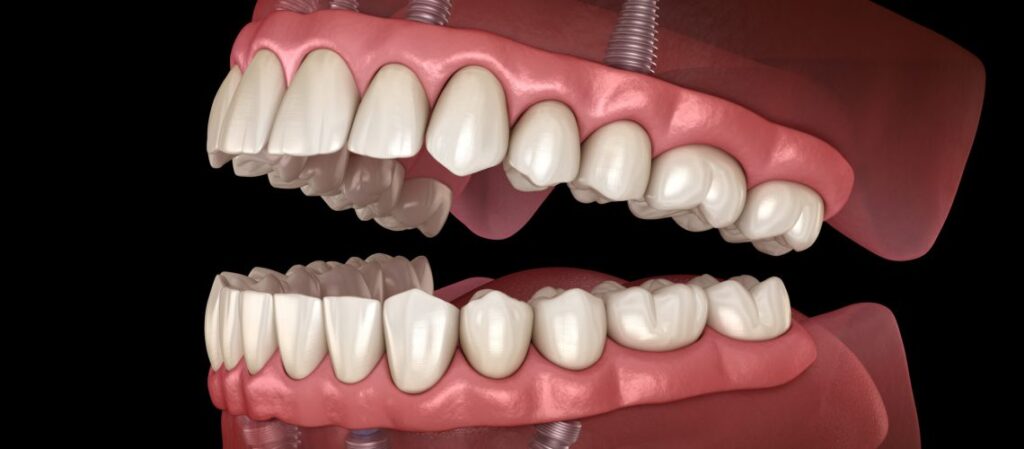
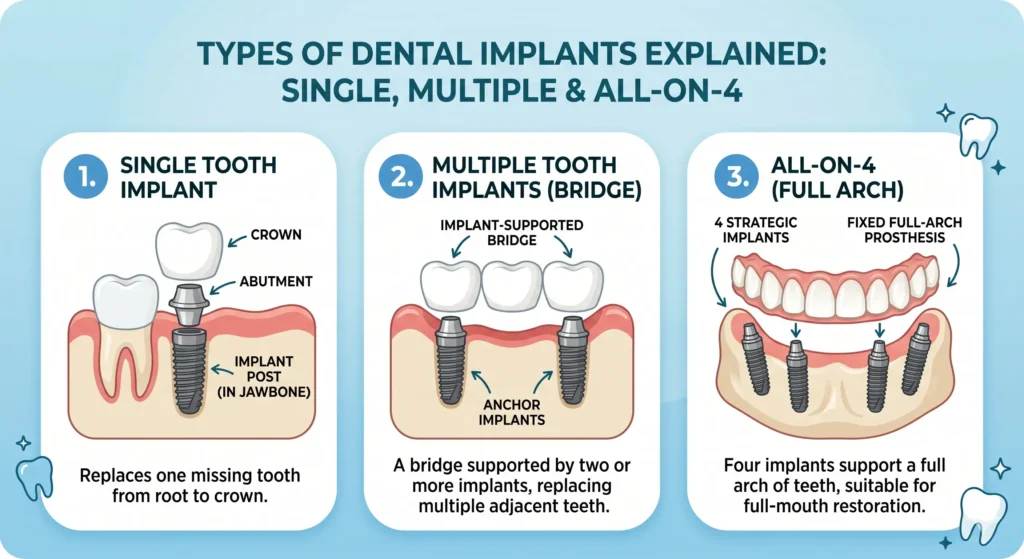
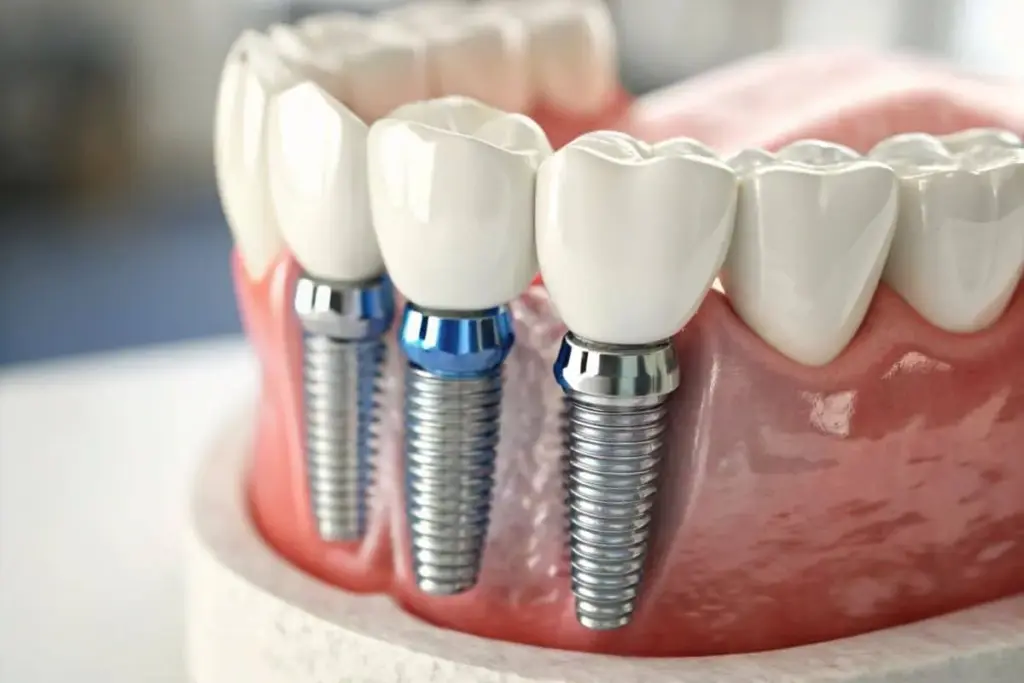
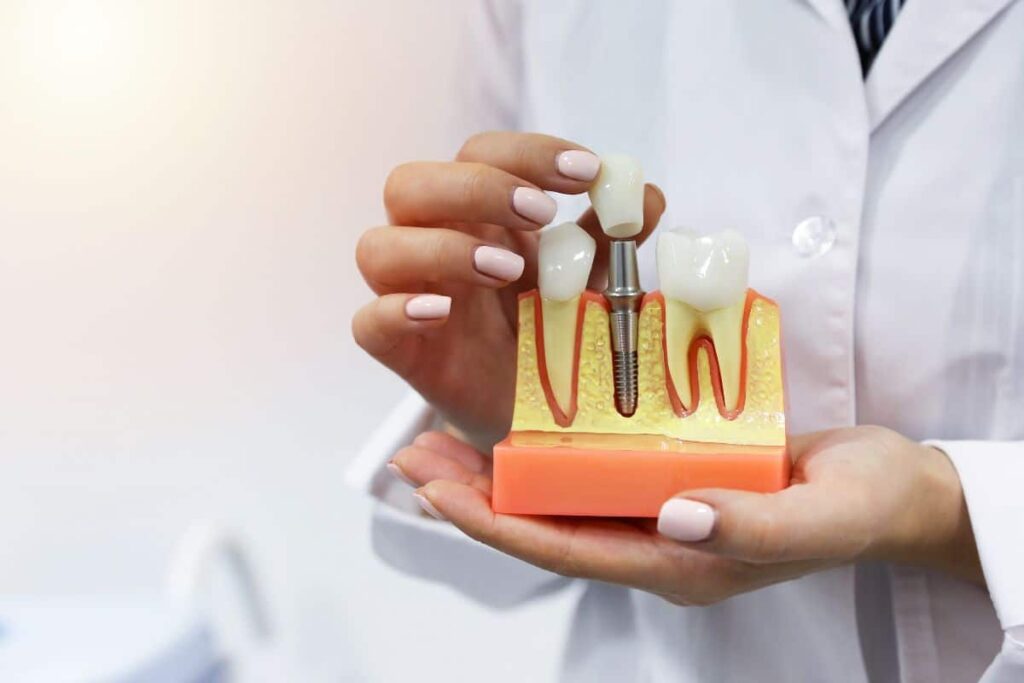
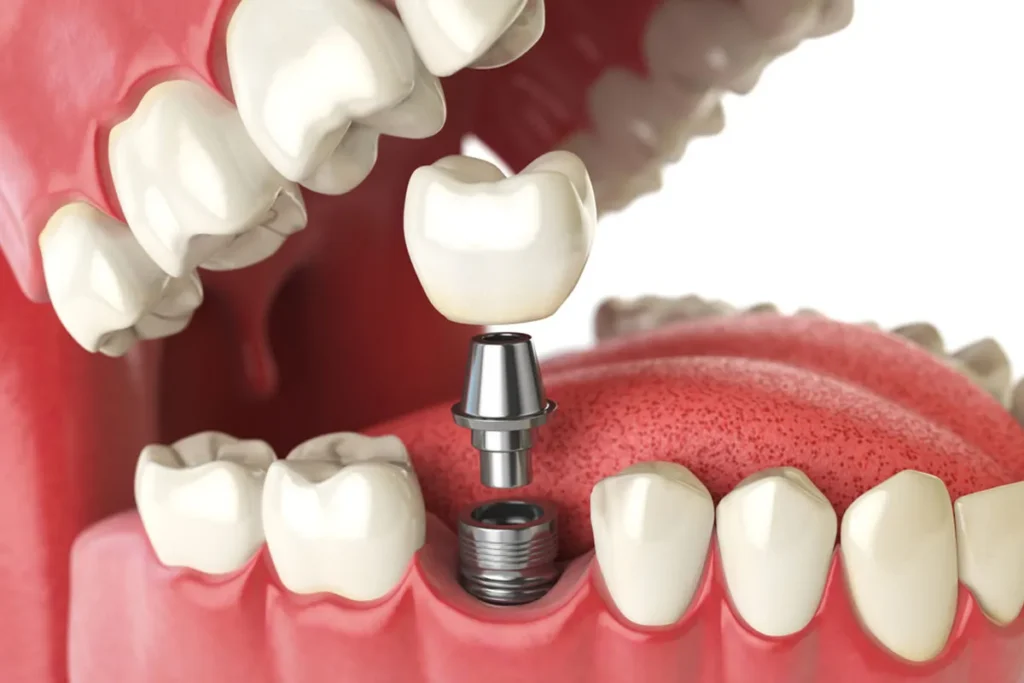
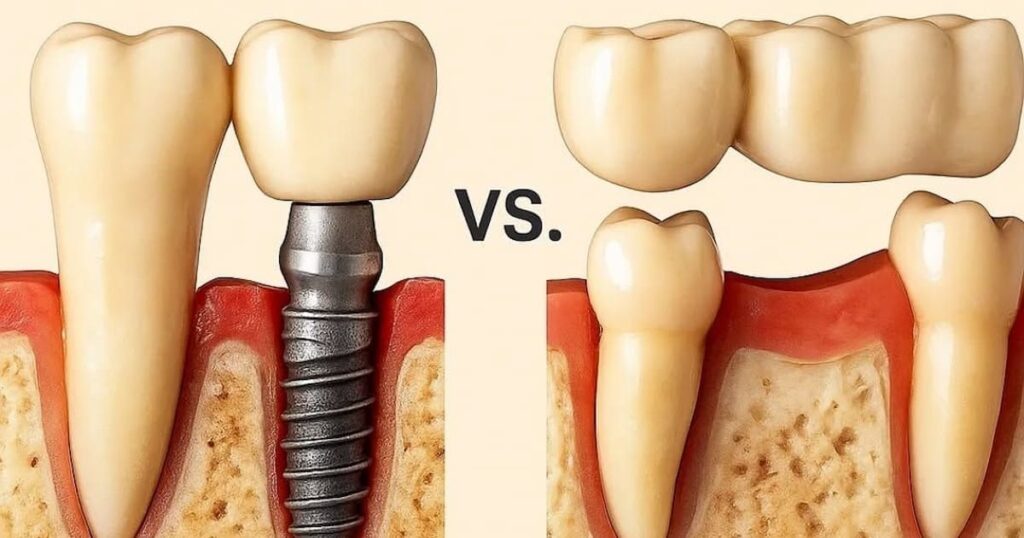
Two Paths to a Complete Smile — Which One Is Yours? Picture this: you have just had a tooth extracted, or maybe you have been living with a gap in your smile for months. Your dentist mentions two options — an implant or a bridge — and suddenly you are facing a decision that feels far bigger than it should. You are not alone. Every week, patients sitting in dental chairs across Abbotsford BC ask the same question: “Should I get a dental implant or a dental bridge?” It is one of the most common crossroads in restorative dentistry, and it genuinely matters — because the choice you make today will shape your oral health for years, or even decades, to come. Here is what most online articles will not tell you upfront: there is no one-size-fits-all answer. The right solution depends on your bone health, your budget, your timeline, the condition of the teeth beside the gap, and what you want your smile to look like in 20 years. What we can do — right here in this guide — is walk you through every meaningful difference between dental implants vs dental bridges so that when you sit down with your Abbotsford dentist, you already know the right questions to ask. Let us get into it. Understanding Dental Implants: More Than Just a Replacement Tooth Most people know that a dental implant involves a post going into the jaw — but the story is richer than that. A dental implant is essentially a complete tooth replacement system, built from the root up. The process begins with a small titanium post, precision-engineered to mimic the function of a natural tooth root. Your dentist or oral surgeon places this post directly into the jawbone during a minor surgical procedure. What happens next is genuinely remarkable: over the following months, your living bone tissue grows around and bonds with the titanium surface through a process called osseointegration. The implant does not just sit in your jaw — it becomes part of it. Once the bone has fully integrated with the post, a connecting piece called an abutment is attached, and then your permanent custom crown is secured on top. From that point forward, the implant functions exactly as a natural tooth would. You bite, chew, speak, and smile without a second thought. The dental implant procedure in Abbotsford follows a structured timeline: a comprehensive consultation that often includes 3D CBCT imaging, followed by the surgical phase, a healing window of three to six months, and finally the crown placement. Patients who lack sufficient jawbone density may need bone grafting as a preparatory step — but this is something your dentist will identify well before any treatment begins. What makes implants stand apart: Understanding Dental Bridges: Speed, Simplicity, and a Proven Track Record A dental bridge takes a completely different engineering approach. Rather than anchoring into the jaw, a bridge spans the gap from tooth to tooth — suspended in place by crowns fitted over the natural teeth that sit on either side of the missing space. Those neighbouring teeth, called abutment teeth, are reshaped during the procedure. A portion of their enamel is removed so that the supporting crowns fit snugly over them. An artificial tooth — referred to as a pontic — then hangs in the middle, filling the visible gap and restoring chewing function. What draws patients to bridges is simplicity. There is no surgery, no waiting for bone to heal, and no extended recovery period. The entire process typically wraps up across two appointments. You come in for impressions and preparation, a temporary bridge is placed while your permanent one is being crafted, and you return a couple of weeks later for the final fit. When people inquire about missing tooth treatment in Abbotsford on a tight timeline, bridgework is often the answer that works. There is also a more advanced variation worth knowing about: the implant-supported bridge in Abbotsford. Instead of anchoring onto natural adjacent teeth, this type of bridge is supported by two dental implants placed on either side of the gap. It is an excellent solution when several teeth in a row are missing, offering the stability of implants without requiring one implant per tooth. Where bridges make sense: The Real Comparison: Dental Implants vs Dental Bridges Across Six Key Factors Factor 1 — The True Cost Picture Let us talk money honestly, because dental bridge vs implant cost is almost always the first thing patients want to understand — and it is more nuanced than most clinics explain. A standard three-unit dental bridge in Abbotsford BC typically runs between $2,000 and $4,500. The range is influenced by the materials chosen (porcelain, zirconia, or porcelain-fused-to-metal), the number of teeth involved, and any preparatory work required on the abutment teeth. A single dental implant in Abbotsford BC generally falls between $3,000 and $5,500 all-inclusive — meaning the post, the abutment connector, and the final crown. Cases that require bone grafting ahead of placement will carry additional costs on top of that. So a bridge costs less at the outset. But here is where the long-term cost-effectiveness of dental implant vs bridge comes into sharp focus. Bridges have a functional lifespan of roughly 10 to 15 years before they typically need replacing. A patient who receives a bridge at 45 and lives to 80 may pay for that bridge two or three times over. Meanwhile, an implant placed at 45 — with proper care — could still be in place at 80 with nothing more than a crown replacement somewhere along the way. Run the numbers over 30 years and the affordable tooth replacement options in Abbotsford BC narrative shifts considerably. The implant that felt expensive on day one often turns out to be the more economical choice across a lifetime. Factor 2 — Timeline: How Long Before You Have a Full Smile? This is where bridges hold an undeniable advantage. The dental bridge procedure in Abbotsford