
Quick answer: To clean a dental bridge, brush it twice a day with a soft-bristled brush and non-abrasive fluoride toothpaste, then use a floss threader, super floss, or interdental brush to clean underneath the pontic (the artificial tooth), where a normal toothbrush can’t reach. Finish with an antibacterial mouth rinse and see your dentist every six months so the fit and gumline can be checked professionally.
A dental bridge restores your bite, your speech, and your smile — but it also creates a small gap between the pontic and your gum line that a regular toothbrush simply can’t reach. Left uncleaned, that gap becomes the perfect hiding spot for plaque and bacteria, and it’s the abutment teeth (the ones holding the bridge in place) that pay the price. The good news is that once you know the right tools and the right order to use them in, keeping a bridge clean only takes a few extra minutes a day.
This guide walks Abbotsford patients through exactly how to clean a dental bridge, the tools worth having on hand, the mistakes that quietly shorten a bridge’s lifespan, and when it’s time to call your dentist instead of troubleshooting it yourself.
Why Cleaning a Dental Bridge Properly Matters
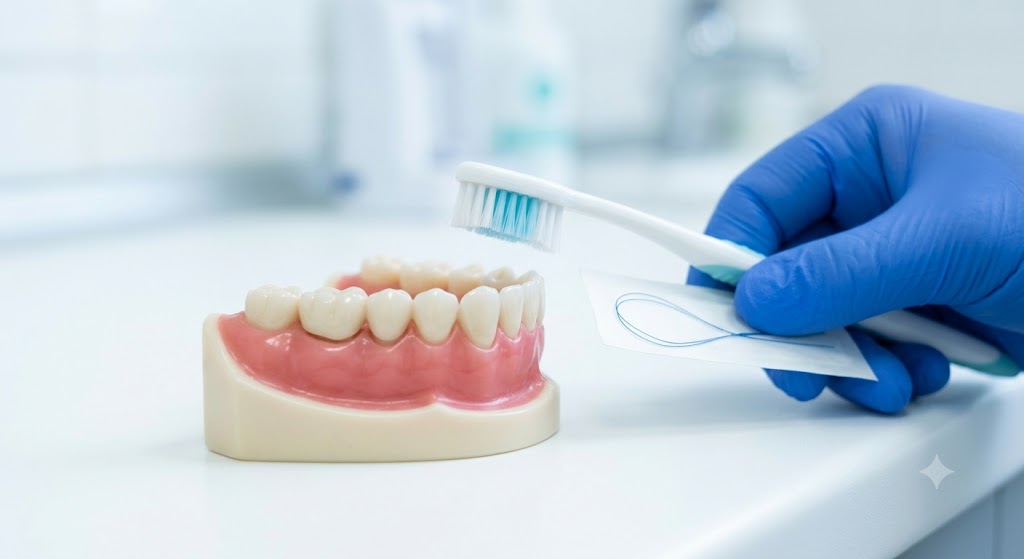
A bridge itself can’t get a cavity — but the natural teeth on either side of it (the abutment teeth) absolutely can. Those teeth are covered with crowns that anchor the bridge, and if plaque builds up along the edge of a crown, decay can start underneath it without much warning. Because a bridge is a fixed restoration, a cavity on an abutment tooth is a bigger problem than an ordinary cavity — depending on severity, it can mean the whole bridge needs to be remade.
Poor cleaning around a bridge also raises the risk of gum inflammation at the point where the pontic sits against the gum tissue, which can develop into more serious gum disease if it isn’t addressed. If you’re already noticing puffy or bleeding gums around a bridge, it’s worth reading about periodontal treatment options in Abbotsford so it doesn’t progress further.
The upside: patients who stay on top of daily cleaning and regular checkups are the ones who get the full 10 to 15 years — or longer — out of a dental bridge. Cleaning habits, more than the bridge material itself, are usually what determines how long it lasts.
Tools You Need to Clean a Dental Bridge
You don’t need anything exotic — most of these are available at any Abbotsford pharmacy — but a few of them are non-negotiable for reaching under the bridge:
- Soft-bristled toothbrush (manual or electric) — a medium or hard brush can wear down the surface of the bridge and irritate the gums.
- Non-abrasive, fluoride toothpaste — whitening toothpastes often contain abrasive particles that dull and scratch bridge material over time.
- Floss threader — a small loop that lets you guide regular floss underneath the pontic.
- Super floss — floss with a stiffened end built in, so you can skip the separate threader step.
- Interdental brush — a tiny bottle-brush-shaped tool that cleans the sides of the abutment teeth and the space under the connector.
- Water flosser (oral irrigator) — uses a stream of pressurized water to flush out debris from spots that floss and brushes can miss.
- Antibacterial mouth rinse — helps reduce bacteria around the gumline and pontic after brushing and flossing.
How to Clean a Dental Bridge: Step-by-Step
Follow these steps once in the morning and once before bed for the best results:
- Brush the bridge and surrounding teeth first. Angle the brush at 45 degrees to the gumline and use gentle circular motions across the pontic, the abutment crowns, and the natural teeth around them.
- Thread floss or super floss under the pontic. Guide a floss threader (or the stiff end of super floss) underneath the artificial tooth, then gently slide the floss up and down against each abutment tooth to clear away trapped debris.
- Work an interdental brush along the gumline. Slide it gently between the bridge and your gums to dislodge plaque that brushing and flossing alone can leave behind.
- Finish with a water flosser. Aim the tip along the base of the bridge and the gumline on both sides — this is the most effective way to flush out anything still lodged underneath.
- Rinse with an antibacterial mouthwash. Swish for 30 seconds to reduce bacteria in the areas you’ve just cleaned.
- Book a hygiene check every six months. Your dentist and hygienist can spot early signs of decay or gum irritation around the bridge long before you’d notice it yourself.
Morning vs. Night: Does It Matter?
Both cleanings matter, but they serve slightly different purposes. Your morning routine clears away the bacteria that built up overnight and gets your mouth ready for the day. Your nighttime routine is the more important of the two — it removes the day’s food debris before hours of reduced saliva flow give bacteria a chance to multiply while you sleep. If you only have time for a thorough clean once a day, make it the evening one, but a quick brush-and-rinse in the morning still matters for fresh breath and comfort.
Common Mistakes That Damage a Dental Bridge
Even conscientious patients fall into a few avoidable habits:
- Using whitening toothpaste. The abrasive particles that lift surface stains from natural enamel can scratch bridge materials, making them more prone to staining and plaque buildup over time.
- Skipping the area under the pontic. Brushing the visible surface of a bridge without cleaning underneath it misses the exact spot where problems start.
- Relying on regular floss without a threader. Standard floss can’t get under a fixed bridge on its own — without a threader or super floss, that space simply doesn’t get cleaned.
- Ignoring occasional bleeding. Gums that bleed when you floss around a bridge are a sign of irritation or early gum disease, not a reason to floss less often.
- Chewing ice or very hard, sticky foods. These can loosen the cement holding crowns in place or crack the bridge itself.
- Skipping six-month checkups. Plaque that hardens into tartar under a bridge can only be removed by a hygienist, not by home cleaning.
Signs Your Bridge Isn’t Being Cleaned Thoroughly Enough
Keep an eye out for:
- Persistent bad breath or an unpleasant taste near the bridge
- Gums that are red, swollen, or bleed near the pontic
- New sensitivity in the abutment teeth
- Visible staining or a dark line where the crown meets the gum
- A bridge that suddenly feels loose or shifts slightly
If a bridge feels loose or has come away from an abutment tooth, that’s not something to wait out — same-day emergency dental care in Abbotsford can prevent the exposed tooth underneath from decaying further.
How Often Should You Clean and Check a Dental Bridge?
Clean it the same way you would your natural teeth: twice daily at minimum, with flossing or an interdental tool worked in at least once a day. On the professional side, most Abbotsford dentists recommend a checkup and cleaning every six months, though your dentist may suggest more frequent visits if you’re prone to plaque buildup or have had gum issues in the past. If you’re weighing a bridge against other tooth-replacement options, it’s also worth reading how bridges compare to dental implants, since implants and bridges have slightly different care routines.
Frequently Asked Questions
Can I use regular floss for a dental bridge?
Not on its own. Regular floss can’t get under a fixed pontic because there’s no gap to pull it through from above. You’ll need a floss threader, super floss, or a water flosser to clean that area effectively.
What happens if I don’t clean under my bridge?
Plaque and food debris will build up against the abutment teeth, increasing the risk of decay under the supporting crowns and gum inflammation around the pontic — both of which can shorten the life of the bridge and, in some cases, require it to be replaced.
Is a water flosser enough on its own?
A water flosser is excellent for flushing out debris, but it works best alongside brushing and a floss threader or interdental brush rather than replacing them entirely. Combining tools gives the most thorough clean.
How long does a dental bridge last with good care?
With consistent cleaning and regular dental visits, most bridges last 10 to 15 years, and many last longer. You can read more detail on what affects longevity in our guide to how long dental bridges last.
Can I eat normally with a dental bridge once it’s placed?
Yes, once you’ve adjusted, which usually takes about a week. We cover this in more detail in what you need to know about eating with a dental bridge.
Does cleaning a bridge cost extra at dental visits?
Routine bridge care is included in a standard hygiene visit. If you’re curious about overall investment, our guide on dental bridge cost breaks down what affects pricing.
The Bottom Line
A dental bridge can comfortably last well over a decade, but that depends almost entirely on how well the area underneath it is cared for. A soft-bristled brush, a floss threader or super floss, an interdental brush, and a water flosser — used consistently, morning and night — will keep the abutment teeth healthy and the bridge itself looking and functioning the way it did on day one.
If you’re due for a checkup, noticing sensitivity, or want a hygienist to walk you through the right technique in person, the team at Medora Dental in Abbotsford is happy to help. Contact us to book your next visit.