Medora Dental Care

Uncategorized

dental implants cost abbotsford
Uncategorized

How Much Do Dental Implants Cost in Abbotsford?

If you’re researching dental implants cost in Abbotsford, you’re not alone. Missing teeth affect thousands of residents across the Fraser Valley every year — and more people than ever are turning to dental implants as the gold-standard, long-lasting solution. But one of the first questions that comes to mind is: what will this actually cost me? In this comprehensive guide, we break down everything you need to know about tooth implant Abbotsford pricing — from single tooth replacements to full-mouth restorations — so you can make a confident, well-informed decision about your oral health. Quick Answer: A single dental implant in Abbotsford typically costs between $3,000 and $5,000+, depending on the complexity of your case, the clinic you choose, and whether additional procedures like bone grafting are needed. What Are Dental Implants and Why Are They Worth It? Before diving into dental implant price BC, it helps to understand exactly what you’re paying for. A dental implant is a titanium dental post that is surgically placed directly into your jawbone. Over a period of three to six months, it fuses with the surrounding bone through a biological process called osseointegration — essentially becoming a permanent part of your jaw. Once this integration is complete, a custom-made dental crown is attached on top, giving you a natural-looking, fully functional replacement tooth. The result is a restoration that looks, feels, and performs just like your original tooth. Unlike dentures, implants don’t shift, click, or require messy adhesives. Unlike dental bridges, they don’t require filing down adjacent healthy teeth. And unlike other tooth replacement options BC residents commonly consider, implants actively prevent the jawbone loss that naturally occurs when a tooth is missing — preserving your facial structure for years to come. The dental implant success rate in well-selected candidates with proper aftercare is consistently above 95%, making them one of the most reliable procedures in modern dentistry. How Much Do Dental Implants Cost in Abbotsford, BC? The dental implants cost in Abbotsford depends on several individual factors. However, to give you a realistic starting point, here is a general overview of what most patients can expect to pay in the Abbotsford and Fraser Valley area: Treatment Type Estimated Cost (CAD) Notes Single Tooth Implant $3,000 – $5,000+ Includes post, abutment & crown Multiple Implants $6,000 – $15,000+ Varies by number of teeth All-on-4 Implants $20,000 – $35,000 Full arch; both upper & lower Implant + Bone Graft $4,500 – $7,000+ If bone loss is present Mini Dental Implants $1,500 – $3,000 For narrow ridges; less invasive These figures represent estimates for the Abbotsford, BC region in 2025. Prices may differ based on the specific dental implant clinic Abbotsford you visit, the materials used, and your individual clinical needs. Single Dental Implant Cost in Abbotsford, BC (2025) For most patients replacing one missing tooth, the single dental implant cost Abbotsford BC 2025 ranges from $3,000 to $5,000 and may go higher if preparatory procedures are required. This price typically includes: It’s worth noting that some clinics advertise lower starting prices — sometimes as low as $2,299 per implant. While these promotions can be genuine, always ask what is and isn’t included in that price before committing to a treatment plan. Pro Tip: Always request an itemized quote from your dental implant clinic in Abbotsford. A transparent breakdown ensures you’re comparing apples to apples across clinics. Full Mouth Dental Implants Cost in Abbotsford For patients who have lost most or all of their teeth, full mouth dental implants cost in Abbotsford can range significantly based on the treatment approach chosen. The two most common options are: Traditional Full-Mouth Implants This approach involves placing an individual implant for each missing tooth. Depending on the number of teeth being replaced, costs can range from $20,000 to $45,000 or more for a complete upper and lower restoration. All-on-4 Dental Implants Abbotsford, BC The All-on-4 dental implants Abbotsford BC approach is a more efficient and cost-effective solution for full-arch restoration. Rather than placing one implant per tooth, four strategically angled implants support an entire arch of fixed teeth. This technique requires less bone volume, often eliminates the need for bone grafting, and typically allows for same-day teeth — sometimes called teeth in a day Abbotsford BC. All-on-4 treatment in Abbotsford generally ranges from $20,000 to $35,000 per arch. While this is a significant investment, many patients find it far superior in comfort, stability, and long-term value compared to conventional full dentures. Factors That Affect Dental Implant Pricing in Abbotsford The final cost of your treatment is influenced by a combination of clinical, technical, and administrative factors. Here is what the best dental implants Abbotsford providers will consider when quoting your case: 1. Number of Implants Needed Whether you need one implant or several significantly affects the total dental implant price BC. Some patients require staged treatments over multiple visits, which can spread costs over time. 2. Bone Grafting Requirements When a tooth has been missing for a while, the jawbone in that area begins to resorb. Bone grafting for dental implants Abbotsford is sometimes needed to rebuild sufficient bone volume to securely hold the implant. A bone graft procedure can add $500 to $3,000 or more to the overall treatment cost, depending on the extent of bone loss. 3. Tooth Extractions If the damaged tooth hasn’t yet been removed, extraction fees will be added. Simple extractions may cost $150–$300, while surgical extractions are typically $250–$600. 4. Type of Crown or Restoration The material used for your crown — whether porcelain-fused-to-metal, full zirconia, or layered ceramic — affects both aesthetics and cost. Premium materials deliver better long-term results and a more natural appearance. 5. Technology and Imaging Advanced clinics invest in CBCT (cone beam CT) scanners, digital impressions, and computer-guided implant surgery. These technologies improve precision and safety, but they may be reflected in pricing. When evaluating affordable dental implants Abbotsford, consider that cutting-edge technology can reduce risks and improve outcomes. 6. Dentist’s Qualifications and Experience An oral

How Painful Are Dental Implants? Full Patient Guide
Uncategorized

How Painful Are Dental Implants? Full Patient Guide

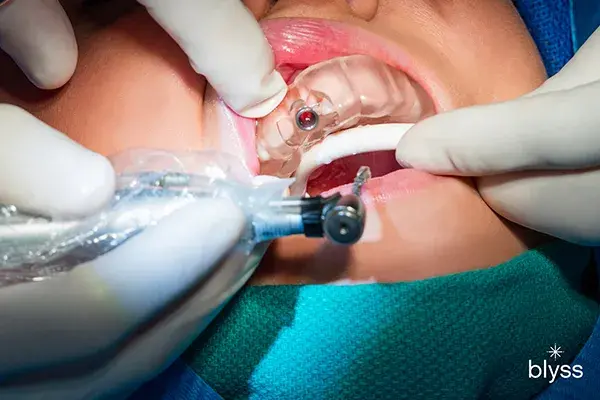
Many patients searching for tooth replacement solutions often ask one key question: how painful are dental implants? This concern is completely natural because dental surgery sounds intimidating. However, modern dentistry has evolved significantly, making implant procedures far more comfortable than most people expect. In reality, the question how painful are dental implants does not have a simple yes or no answer. It depends on the individual, their oral condition, and the technology used by the dentist. This guide will walk you through every stage of the process so you can clearly understand what level of discomfort is normal and what is not. If you are worried about dental implant pain level, this article will give you a complete breakdown of what happens before, during, and after the procedure. What Are Dental Implants? Dental implants are artificial tooth roots made of titanium that are placed into the jawbone to support a replacement tooth or crown. They are designed to look, feel, and function like natural teeth. Unlike dentures, implants fuse with the bone, making them a permanent solution for missing teeth. This strong integration is why many patients prefer implants despite worrying about dental implant surgery pain. Dental Implant Procedure Steps Explained To understand how painful are dental implants, it’s important to know the process: Step 1: Consultation and Planning Your dentist examines your mouth, takes X-rays, and plans the procedure. Step 2: Implant Placement Surgery The titanium post is placed into the jawbone under anesthesia. Step 3: Healing Phase (Osseointegration) The implant fuses with bone over several months. Step 4: Crown Placement A custom crown is attached to restore full function. For a detailed breakdown of the process, you can explore this guide: How Dental Implants Work Step-by-Step So, How Painful Are Dental Implants Really? The most important truth is this: the procedure itself is usually not painful. Most patients report feeling pressure rather than pain because local anesthesia numbs the area completely. So when asking how painful are dental implants, the answer during surgery is typically “very minimal to none.” The discomfort is more noticeable after the procedure once the anesthesia wears off. However, even this is usually manageable with prescribed medication. Dental Implant Procedure Pain: What You Feel During Surgery During surgery, dentists use local anesthesia dental implant techniques to completely numb the area. In many cases, sedation dentistry is also offered for anxious patients. You may feel: For nervous patients, sedation dentistry for implants helps reduce anxiety and makes the experience even smoother. So, when people ask do dental implants hurt, the honest answer is: not during the procedure itself. Pain After Dental Implants: Recovery Phase Explained After surgery, some discomfort is normal. This is where most concerns about pain after dental implants come from. First 24–72 Hours: This phase is the peak of dental implant recovery pain, but it is temporary. After 3–7 Days: To understand recovery in detail, you can read this guide: Dental Implant Aftercare Recovery Guide Dental Implant Recovery Time & Healing Process Healing is a gradual process. The jawbone needs time to bond with the implant in a process called osseointegration. Recovery Timeline: Understanding dental implant recovery time helps patients stay relaxed because healing is predictable and safe. Is Getting Dental Implants Painful Compared to Tooth Extraction? Many patients are surprised to learn that are dental implants more painful than tooth extraction is often answered with a “no.” Tooth extraction can sometimes involve more immediate trauma, while implants are performed with controlled surgical precision and anesthesia. So, in many cases: How to Reduce Pain After Dental Implant Surgery If you are concerned about how to reduce pain after dental implant surgery, follow these steps: Following post implant care instructions properly ensures faster healing and less discomfort. Dental Implant Myths and Facts About Pain Myth 1: Dental implants are extremely painful Truth: Most patients experience only mild discomfort. Myth 2: Recovery takes a long time of severe pain Truth: Severe pain is rare and short-lived. Myth 3: You cannot function normally after surgery Truth: Most people return to routine within a few days. Understanding dental implant myths and facts helps reduce fear and anxiety. When Pain Is Not Normal (Warning Signs) While mild discomfort is normal, watch out for: These may indicate complications and should be checked immediately. Dental Implant FAQ: Pain Concerns Answered What does dental implant pain feel like? Most patients describe it as mild soreness or pressure. How long does pain last after dental implants? Usually 3–7 days with gradual improvement. Does anesthesia completely remove pain during implants? Yes, local anesthesia ensures the procedure is painless. Mild vs severe pain after dental implants? Mild pain is normal; severe pain is rare and should be checked. These dental implant FAQ pain concerns are common among patients considering treatment. Conclusion So, how painful are dental implants really? The truth is reassuring—modern dental implant procedures are designed to be as comfortable as possible. With anesthesia, sedation options, and advanced techniques, most patients experience minimal pain during surgery and manageable discomfort afterward. Understanding the full process, recovery timeline, and care instructions helps reduce fear significantly. If you are still unsure, consulting a professional dentist is the best way to get personalized answers about dental implant pain level and recovery expectations. For more helpful guides, you can also explore:

Dental Implants vs. Dental Bridges
Uncategorized

Dental Implants vs. Dental Bridges: Which Is Right for You in Abbotsford?

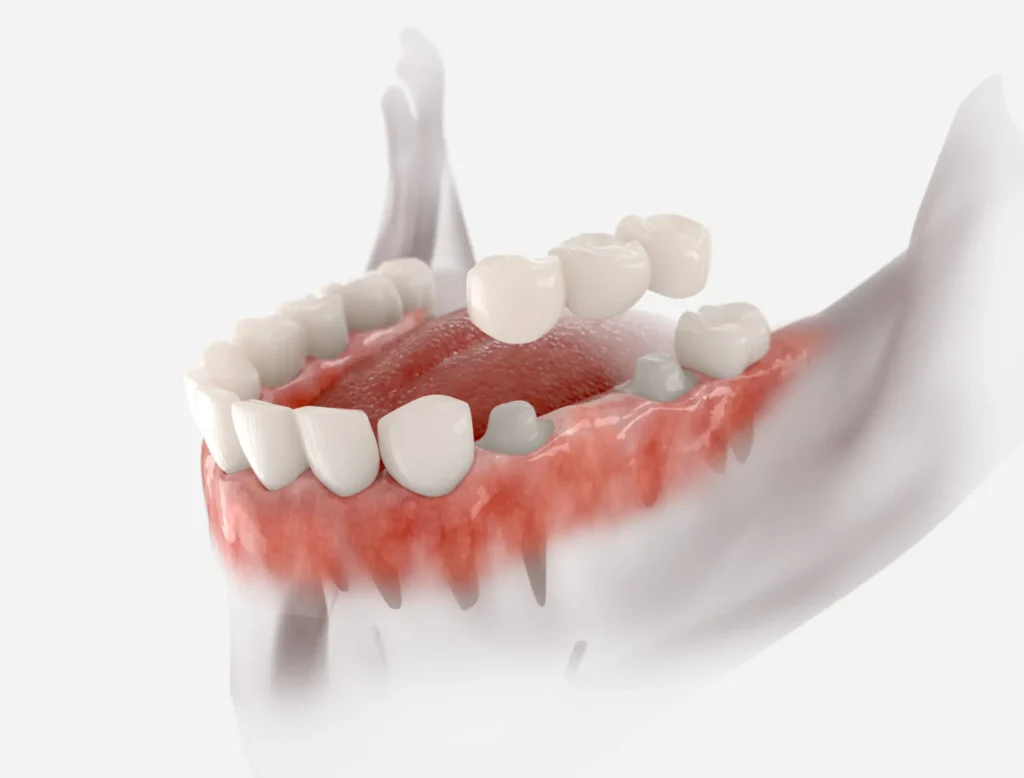
Two Paths to a Complete Smile — Which One Is Yours? Picture this: you have just had a tooth extracted, or maybe you have been living with a gap in your smile for months. Your dentist mentions two options — an implant or a bridge — and suddenly you are facing a decision that feels far bigger than it should. You are not alone. Every week, patients sitting in dental chairs across Abbotsford BC ask the same question: “Should I get a dental implant or a dental bridge?” It is one of the most common crossroads in restorative dentistry, and it genuinely matters — because the choice you make today will shape your oral health for years, or even decades, to come. Here is what most online articles will not tell you upfront: there is no one-size-fits-all answer. The right solution depends on your bone health, your budget, your timeline, the condition of the teeth beside the gap, and what you want your smile to look like in 20 years. What we can do — right here in this guide — is walk you through every meaningful difference between dental implants vs dental bridges so that when you sit down with your Abbotsford dentist, you already know the right questions to ask. Let us get into it. Understanding Dental Implants: More Than Just a Replacement Tooth Most people know that a dental implant involves a post going into the jaw — but the story is richer than that. A dental implant is essentially a complete tooth replacement system, built from the root up. The process begins with a small titanium post, precision-engineered to mimic the function of a natural tooth root. Your dentist or oral surgeon places this post directly into the jawbone during a minor surgical procedure. What happens next is genuinely remarkable: over the following months, your living bone tissue grows around and bonds with the titanium surface through a process called osseointegration. The implant does not just sit in your jaw — it becomes part of it. Once the bone has fully integrated with the post, a connecting piece called an abutment is attached, and then your permanent custom crown is secured on top. From that point forward, the implant functions exactly as a natural tooth would. You bite, chew, speak, and smile without a second thought. The dental implant procedure in Abbotsford follows a structured timeline: a comprehensive consultation that often includes 3D CBCT imaging, followed by the surgical phase, a healing window of three to six months, and finally the crown placement. Patients who lack sufficient jawbone density may need bone grafting as a preparatory step — but this is something your dentist will identify well before any treatment begins. What makes implants stand apart: Understanding Dental Bridges: Speed, Simplicity, and a Proven Track Record A dental bridge takes a completely different engineering approach. Rather than anchoring into the jaw, a bridge spans the gap from tooth to tooth — suspended in place by crowns fitted over the natural teeth that sit on either side of the missing space. Those neighbouring teeth, called abutment teeth, are reshaped during the procedure. A portion of their enamel is removed so that the supporting crowns fit snugly over them. An artificial tooth — referred to as a pontic — then hangs in the middle, filling the visible gap and restoring chewing function. What draws patients to bridges is simplicity. There is no surgery, no waiting for bone to heal, and no extended recovery period. The entire process typically wraps up across two appointments. You come in for impressions and preparation, a temporary bridge is placed while your permanent one is being crafted, and you return a couple of weeks later for the final fit. When people inquire about missing tooth treatment in Abbotsford on a tight timeline, bridgework is often the answer that works. There is also a more advanced variation worth knowing about: the implant-supported bridge in Abbotsford. Instead of anchoring onto natural adjacent teeth, this type of bridge is supported by two dental implants placed on either side of the gap. It is an excellent solution when several teeth in a row are missing, offering the stability of implants without requiring one implant per tooth. Where bridges make sense: The Real Comparison: Dental Implants vs Dental Bridges Across Six Key Factors Factor 1 — The True Cost Picture Let us talk money honestly, because dental bridge vs implant cost is almost always the first thing patients want to understand — and it is more nuanced than most clinics explain. A standard three-unit dental bridge in Abbotsford BC typically runs between $2,000 and $4,500. The range is influenced by the materials chosen (porcelain, zirconia, or porcelain-fused-to-metal), the number of teeth involved, and any preparatory work required on the abutment teeth. A single dental implant in Abbotsford BC generally falls between $3,000 and $5,500 all-inclusive — meaning the post, the abutment connector, and the final crown. Cases that require bone grafting ahead of placement will carry additional costs on top of that. So a bridge costs less at the outset. But here is where the long-term cost-effectiveness of dental implant vs bridge comes into sharp focus. Bridges have a functional lifespan of roughly 10 to 15 years before they typically need replacing. A patient who receives a bridge at 45 and lives to 80 may pay for that bridge two or three times over. Meanwhile, an implant placed at 45 — with proper care — could still be in place at 80 with nothing more than a crown replacement somewhere along the way. Run the numbers over 30 years and the affordable tooth replacement options in Abbotsford BC narrative shifts considerably. The implant that felt expensive on day one often turns out to be the more economical choice across a lifetime. Factor 2 — Timeline: How Long Before You Have a Full Smile? This is where bridges hold an undeniable advantage. The dental bridge procedure in Abbotsford

Top 7 Dental Implant Myths Debunked
Uncategorized

Top 7 Myths About Dental Implants — Debunked by an Abbotsford Dentist

Why So Many People Still Believe These Dental Implant Myths Dental implants are widely regarded as one of the most advanced and reliable tooth replacement options available today. Yet despite decades of clinical success and a strong implant success rate backed by research, countless patients in Abbotsford and across BC still hesitate to explore this life-changing treatment — and the reason is almost always misinformation. From fears about pain and cost to doubts about safety and longevity, dental implant myths and facts get mixed up constantly online and in casual conversation. People hear a story from a neighbour, read a vague article, or simply assume that anything involving surgery must be dangerous, expensive, or reserved only for the young. As a dental practice committed to transparent, patient-focused implant dentistry in Abbotsford, we believe you deserve accurate information before making any decision about your oral health. That’s why we’ve put together this in-depth guide — to set the record straight on the most common dental implant misconceptions we hear from patients every single week. Whether you’ve already been told you’re “not a candidate,” you’re worried about whether dental implants are painful, or you’re simply not sure if it’s worth the investment, this article is for you. Let’s go through the top 7 myths one by one and replace fear with facts. Blog Outline at a Glance Myth #1: Dental Implants Are Extremely Painful The Myth: “I’ve heard dental implant surgery is incredibly painful — I could never go through that.” The Truth: This is probably the most widespread of all dental implant misconceptions, and it stops more patients from seeking treatment than any other concern. The reality is that modern implant surgery is performed under local anaesthesia, and many patients report being surprised by how manageable the experience truly is. Do dental implants hurt during surgery? In most cases, patients feel pressure during the procedure but very little to no actual pain. The surgical site is completely numbed, and sedation options are available for those who experience dental anxiety related to implants or any other procedure. Post-surgical discomfort is normal and typically mild — most patients manage it well with over-the-counter pain relief for the first few days. Swelling and tenderness around the implant site are expected and subside within a week. Compared to a tooth extraction, many patients find the dental implant procedure truth to be far less intimidating than they anticipated. At our Abbotsford dental practice, we walk every patient through the process in detail before the procedure begins. We use the latest anaesthetic techniques and prioritize comfort at every step. If you’ve been avoiding implants because you’re worried about pain, we encourage you to book a consultation and hear what the process actually involves. The Takeaway: The fear of pain is understandable, but it is not a reason to live with missing teeth. With proper anaesthesia and aftercare, dental implant surgery is well-tolerated by the vast majority of patients. Myth #2: Dental Implants Are Too Expensive in Abbotsford The Myth: “Dental implants are a luxury I just can’t afford. They cost thousands of dollars.” The Truth: It’s true that dental implants have a higher upfront cost compared to alternatives like dentures or bridges. However, framing them as “too expensive” misses the bigger financial picture entirely. This is one of the dental implant myths debunked most effectively by looking at long-term value. Are dental implants too expensive in Abbotsford? When you factor in the lifespan of an implant — which can last decades or even a lifetime with proper care — the cost-per-year calculation is surprisingly competitive. Dentures and bridges typically need replacing or adjusting every 5 to 10 years. When you add up those ongoing costs over 20 to 30 years, implants often come out ahead financially. Many patients also ask about dental implants not covered by insurance in Abbotsford. While it’s true that some insurance plans provide only partial coverage or none at all, many dental clinics — including ours — offer flexible payment plans and financing options to make affordable dental implants in Abbotsford BC accessible to a wider range of patients. Beyond the financials, consider the cost of not treating missing teeth. Tooth loss leads to bone deterioration in the jaw, shifting of surrounding teeth, changes in facial structure, and a significantly impacted quality of life. The cost of managing those downstream problems can far exceed the cost of a dental implant today. The Takeaway: Dental implants are an investment — one that pays dividends in oral health, confidence, and quality of life for decades. Speak with your Abbotsford dentist about financing options before assuming implants are out of reach. Myth #3: Dental Implants Look Fake and Unnatural The Myth: “You can always tell when someone has implants — they look plastic and obvious.” The Truth: This myth likely originates from early generations of dental prosthetics or from poorly executed work by less experienced practitioners. Modern dental implants, when properly designed and placed, are virtually indistinguishable from natural teeth. The dental crown that sits on top of a titanium implant post is custom-crafted to match the size, shape, and colour of your surrounding teeth. A skilled dentist will ensure that the crown blends seamlessly with your natural smile. Patients who have received implants often say that even they can’t tell the difference when looking in the mirror. The “dental implants look unnatural myth” persists largely because people don’t realize how much the field has advanced. Digital imaging, CAD/CAM technology, and high-quality ceramic materials have transformed the aesthetics of modern restorative dentistry. What once may have looked bulky or poorly matched now looks genuinely lifelike. When comparing implant vs bridge vs denture from an aesthetic standpoint, implants consistently come out on top. Unlike dentures that can shift or look gummy, and bridges that rely on crowning adjacent healthy teeth, implants stand alone as a fully independent, naturally integrated tooth replacement. The Takeaway: Modern dental implants are designed to look exactly like your natural teeth. With

Types of Dental Implants Explained: Single, Multiple & All-on-4
Uncategorized

Types of Dental Implants Explained: Single, Multiple & All-on-4

Missing teeth can affect not only your smile but also your confidence, speech, and ability to chew properly. Fortunately, modern dentistry offers reliable and long-lasting solutions through dental implants. Understanding the types of dental implants is essential before choosing the right treatment for your oral health needs. In this detailed guide, we will explain the most common dental implant types explained, including single tooth dental implant, multiple tooth implants, and the widely discussed All-on-4 dental implants technique. We will also explore procedures, costs, benefits, and who is eligible for each option. Whether you are replacing one tooth or considering full-mouth restoration, this guide will help you understand all tooth replacement options implants in a clear and practical way. What Are Dental Implants Types? Before exploring the types of dental implants, it is important to understand what dental implants are. A dental implant is a titanium post surgically placed into the jawbone to replace the root of a missing tooth. Once healed, a crown, bridge, or denture is attached to restore function and appearance. There are different dental implant procedure types depending on how many teeth need replacement and the condition of the jawbone. The most common types of dental implants include: Each option serves a different purpose depending on the severity of tooth loss. 1. Single Tooth Dental Implant A single tooth dental implant is the most basic and common form of implant treatment. It is used when only one tooth is missing. How it works Benefits Best for Many patients compare single tooth implant vs bridge which is better, and implants are often preferred because they do not affect adjacent teeth. 2. Multiple Tooth Implants When more than one tooth is missing but not the entire arch, multiple tooth implants are recommended. How it works Instead of placing an implant for every missing tooth, dentists strategically place 2–4 implants to support a bridge. This is also known as an implant supported bridge. Benefits Difference between single and multiple implants The main difference between single and multiple dental implants is the number of teeth being restored and the structure used. Single implants replace one tooth, while multiple implants support a group of teeth. 3. All-on-4 Dental Implants The All-on-4 dental implants system is one of the most advanced solutions in modern dentistry. It is designed for patients who have lost most or all teeth in one arch. All-on-4 dental implants explained step by step This creates a fixed set of teeth supported by only four implants. Benefits of All-on-4 All-on-4 vs traditional implants When comparing All-on-4 vs traditional implants, traditional methods may require 6–8 implants per arch, while All-on-4 uses only four strategically placed implants, reducing cost and treatment time. Who is eligible for All-on-4 dental implants? You may be a candidate if you: Many patients ask if All-on-4 dental implants are worth it, and for full-mouth restoration, they are often considered one of the most efficient solutions. Full Mouth Dental Implants Options When it comes to replacing all teeth, patients usually consider full mouth dental implants. There are two main approaches: 1. All-on-4 system 2. Implant-supported dentures Both fall under full arch dental implants, but All-on-4 is more commonly chosen due to speed and affordability. Best Option for Replacing Multiple Missing Teeth Choosing the best dental implant options depends on your oral health condition. Your dentist will evaluate jawbone strength, gum health, and overall oral condition before recommending treatment. Fixed vs Removable Dental Implants Another important comparison in types of dental implants is whether the restoration is fixed or removable. Fixed implants Removable implants (overdentures) Most patients prefer fixed solutions for comfort and confidence. Cost of Different Dental Implant Types The cost of different dental implant types varies based on complexity and number of implants. General cost factors include: Approximate comparison: While cost is important, long-term durability should also be considered. Dental Implant Surgery and Procedure Types Understanding dental implant surgery helps patients prepare for treatment. Steps involved In some cases, bone graft for dental implants may be required if jawbone density is low. Modern techniques have made implant surgery highly safe and predictable. Titanium Dental Implants and Material Strength Most implants are made from titanium dental implants, known for: Titanium allows implants to fuse naturally with the jawbone, ensuring long-term stability. Jawbone Health and Missing Teeth Treatment Options When teeth are missing, jawbone deterioration can occur over time. Dental implants help maintain jawbone health and implants work together to prevent bone loss. Other missing teeth treatment options include: However, implants are the only solution that actively preserves bone structure. Full Mouth Restoration with Dental Implants Options A full mouth restoration with dental implants options includes: Each method restores function, appearance, and confidence for patients with severe tooth loss. Conclusion Understanding the types of dental implants is essential when deciding the best treatment for missing teeth. Whether you need a single tooth dental implant, multiple tooth implants, or a full arch solution like All-on-4 dental implants, each option offers unique benefits. The right choice depends on your oral condition, budget, and long-term goals. While single implants are ideal for isolated tooth loss, All-on-4 provides a complete smile restoration with fewer implants and faster results. Consulting a dental professional will help determine the most suitable tooth replacement options implants for your specific needs.

All-on-4 Dental Implant
Uncategorized

What Is All-on-4 Dental Implant Treatment? Complete Guide to Full Mouth Restoration

Introduction to Tooth Replacement Solutions Missing teeth can affect more than just your smile—they impact chewing ability, speech, facial structure, and confidence. Over the years, dentistry has evolved significantly, offering advanced solutions for patients seeking permanent teeth replacement options instead of removable dentures. One of the most revolutionary advancements in modern dentistry is all-on-4 dental implants. This treatment has transformed full mouth restoration by providing a stable, long-lasting, and natural-looking solution using only four implants per arch. For patients struggling with multiple missing teeth or complete tooth loss, understanding what is all-on-4 dental implant treatment can be life-changing. This guide explains everything in detail, including procedure, benefits, cost, recovery, and long-term success. What Is All-on-4 Dental Implant Treatment? The all-on-4 dental implants concept is a full-arch restoration technique designed to replace an entire set of upper or lower teeth using only four strategically placed implants. Unlike traditional methods that may require individual implants for each missing tooth, this approach supports a full prosthetic bridge with just four implants, making it more efficient and less invasive. In simple terms, what is all-on-4 dental implant treatment can be explained as a fixed full arch dental solution that restores your entire smile using minimal implants while maximizing strength and stability. This method is widely preferred for full mouth dental implants all-on-4 cases because it reduces surgery time, healing period, and overall complexity. How Does All-on-4 Dental Implants Work? To understand how all-on-4 dental implants function, it is important to look at the biological and mechanical design behind the treatment. The process involves placing two implants vertically in the front jaw and two angled implants in the back. This strategic positioning maximizes contact with available bone, often eliminating the need for bone grafting. Once placed, these implants act as anchors for a full prosthetic arch. In many cases, patients receive temporary teeth on the same day, making it one of the most efficient same day dental implants all-on-4 solutions available today. This is why many patients searching for how does all-on-4 dental implants work are impressed by its speed and effectiveness compared to traditional methods. All-on-4 Implants Procedure Explained The all-on-4 implants procedure follows a structured clinical process: 1. Initial Consultation and Planning A dental specialist evaluates oral health, bone density, and suitability for treatment. Advanced imaging helps plan implant placement. 2. Implant Placement Surgery Four titanium implants are surgically placed into the jawbone. The angled placement of rear implants ensures maximum support. 3. Temporary Teeth Placement In most cases, patients receive temporary prosthetic teeth on the same day, restoring basic function immediately. 4. Healing and Osseointegration Over the next few months, implants fuse with the bone, creating a strong foundation. 5. Final Prosthetic Placement A custom-designed permanent bridge is attached for a natural and durable finish. This structured approach is why all-on-4 dental implants are considered one of the most predictable full mouth restoration techniques. All-on-4 Dental Implants Cost The all-on-4 dental implants cost depends on several factors, including clinic location, materials used, and complexity of the case. Compared to replacing each tooth individually, full mouth dental implants all-on-4 is often more cost-effective because it requires fewer implants and shorter treatment time. While the initial investment may seem higher than traditional dentures, the long-term durability and reduced maintenance make it a financially practical solution. Patients often find that all-on-4 dental implants provide better value over time due to their longevity and stability. Benefits of All-on-4 Dental Implants The popularity of all-on-4 dental implants continues to grow because of their numerous advantages: Permanent Teeth Replacement Unlike removable dentures, this treatment provides a fixed solution that functions like natural teeth. Immediate Results Many patients receive same-day teeth, restoring appearance and function quickly. Improved Comfort and Stability Since implants are anchored into the jawbone, there is no slipping or discomfort. Natural Appearance The final prosthetic is designed to match natural teeth in shape and color. Better Oral Function Patients can eat, chew, and speak confidently again. These benefits make all-on-4 dental implants one of the most preferred modern dental solutions worldwide. All-on-4 vs Traditional Dental Implants When comparing all-on-4 dental implants vs traditional dental implants, the differences are significant: This comparison highlights why many patients prefer fixed full arch dental implants over older methods. Who Is a Candidate for All-on-4 Implants? Not everyone requires the same treatment, but all-on-4 dental implants are ideal for: A proper consultation is necessary to determine suitability and create a personalized treatment plan. Recovery Time for All-on-4 Dental Implants Recovery after all-on-4 dental implants is generally faster than traditional implant procedures. Most patients experience initial healing within 1–2 weeks, while full integration takes several months. During this time, dietary adjustments and proper oral hygiene are essential. Despite being a surgical procedure, recovery is considered manageable and well-tolerated by most patients. Are All-on-4 Dental Implants Painful? A common concern is discomfort. However, modern techniques ensure that all-on-4 dental implants are performed under anesthesia or sedation. Patients typically report mild swelling or discomfort after surgery, which is manageable with medication. Overall, the procedure is far less painful than most people expect, making it a popular choice for full mouth dental restoration. Success Rate and Longevity One of the strongest advantages of all-on-4 dental implants is their high success rate, which is generally above 95% when performed by experienced specialists. With proper care, they can last 15–20 years or even longer. Factors such as oral hygiene, lifestyle habits, and regular dental visits significantly influence longevity. Understanding how long do all-on-4 dental implants last helps patients see this treatment as a long-term investment in oral health. Pros and Cons of All-on-4 Dental Implants Advantages: Disadvantages: Despite limitations, all-on-4 dental implants remain one of the most advanced full arch restoration methods available. Finding the Best Dental Clinic for All-on-4 Implants Choosing the right provider is critical for success. Patients should look for experienced specialists who focus on full mouth restoration. If you are searching for the best dental clinic for all-on-4 implants or affordable all-on-4

Are Dental Implants Safe? Benefits, Risks & Myths Explained
Uncategorized

Are Dental Implants Safe? Benefits, Risks & Myths Explained (Complete Guide)

Tooth loss can affect not just your smile but also your confidence, oral health, and overall quality of life. Today, modern tooth replacement options have evolved significantly, and implant dentistry is leading the way. But one question still concerns many patients: are dental implants safe? If you’re considering this treatment, you’re not alone. Millions of people worldwide choose dental implants every year due to their durability and natural appearance. However, understanding dental implants safety, potential risks, and long-term outcomes is essential before making a decision. In this comprehensive guide, we’ll explore everything you need to know — from the benefits of dental implants to the risks of dental implants, success rates, myths, and expert-backed insights — so you can make an informed choice. What Are Dental Implants? Dental implants are artificial tooth roots made from biocompatible materials, usually titanium. They are surgically placed into the jawbone to support replacement teeth such as crowns, bridges, or dentures. Structure of a Dental Implant Many people ask, are titanium dental implants safe? The answer is yes — titanium is widely used in medical procedures due to its compatibility with the human body and low risk of rejection. Compared to other tooth replacement options, implants provide a more permanent and natural solution. Are Dental Implants Safe? Let’s address the main concern: are dental implants safe? The short answer is yes, dental implants are considered a safe and reliable procedure when performed by a qualified professional. Studies show a dental implant success rate of approximately 95% to 98%, making it one of the most successful procedures in modern dentistry. Why Dental Implant Procedure Safety Is High So, if you’re wondering are dental implants really safe, the evidence strongly supports their safety and effectiveness. Benefits of Dental Implants Understanding the benefits of dental implants helps explain why they are so popular. 1. Natural Look and Feel Implants function like real teeth, restoring your smile and confidence. 2. Long-Term Durability Unlike dentures, implants can last decades with proper care. 3. Bone Preservation They stimulate the jawbone, preventing bone loss. In some cases, a bone graft for dental implants may be needed to strengthen the jaw. 4. Improved Oral Function Eat, speak, and smile without discomfort. 5. Better Than Dentures When comparing benefits of dental implants vs dentures, implants are more stable, comfortable, and long-lasting. Risks of Dental Implants While generally safe, it’s important to understand the risks of dental implants. Common Risks What Are the Risks of Dental Implants? Most risks are minimal and can be avoided with proper planning and an experienced dentist. Implant Failure Causes Although some people ask, are dental implants dangerous, serious complications are rare. Dental Implants Side Effects Like any surgical procedure, there are possible dental implants side effects. Short-Term Side Effects Long-Term Side Effects (Rare) Proper aftercare significantly reduces these risks. Pros and Cons of Dental Implants Pros Cons Understanding the pros and cons of dental implants helps you make a balanced decision. Are Dental Implants Safe for Everyone? Many patients wonder, are dental implants safe for seniors or people with health conditions. Who Should Not Get Dental Implants? Importance of Gum Health Good gum health and implants go hand in hand. Healthy gums are essential for long-term success. Dental Implant Procedure & Recovery Safety Procedure Steps Recovery Insights Many ask, are dental implants painful or safe? The procedure is usually done under anesthesia, making it relatively pain-free. Dental Implant Recovery Risks and Safety Following post-operative care reduces complications significantly. Long-Term Safety & Durability Are Dental Implants Safe Long Term? Yes, implants are designed to last decades with proper care. How Long Do Dental Implants Last? Maintaining oral hygiene is key to long-term success. Dental Implants vs Other Options How Safe Are Dental Implants Compared to Bridges? Compared to dentures, implants offer superior comfort and durability. Myths About Dental Implants Explained Let’s debunk common myths: Myth 1: Implants are unsafe Fact: High dental implants safety record Myth 2: Implants are painful Fact: Minimal discomfort with modern techniques Myth 3: Implants fail often Fact: Success rate exceeds 95% Myth 4: Only young people qualify Fact: Are dental implants safe for seniors? Yes, with proper health evaluation Dental Implants Complications and Prevention Possible Complications Prevention Tips Understanding dental implants complications and prevention is key to success. Are Dental Implants Worth It? Many patients ask, are dental implants worth it? Why They Are Worth the Investment Despite higher upfront costs, implants offer excellent value over time. Frequently Asked Questions Are Dental Implants Really Safe? Yes, they are one of the safest dental procedures with a high success rate. Is Dental Implant Surgery Risky? The risk is minimal when performed by a skilled professional. What Can Go Wrong with Dental Implants? Complications are rare and usually preventable with proper care. Are Dental Implants Dangerous? No, they are considered safe and effective. Conclusion So, are dental implants safe? The answer is a confident yes. With a high dental implant success rate, proven dental implant procedure safety, and numerous long-term benefits, implants are one of the best solutions for missing teeth. While there are some risks of dental implants and potential dental implants side effects, these are minimal and manageable when you choose a qualified professional and follow proper care. If you’re looking for a durable, natural-looking, and reliable solution, dental implants are absolutely worth considering. Always consult with a dental expert to determine if they are the right option for you.

How to Care for Dental Implants After Surgery (Complete Recovery & Aftercare Guide)
Uncategorized

How to Care for Dental Implants After Surgery (Complete Recovery & Aftercare Guide)

Dental implants are one of the most reliable and long-lasting solutions for missing teeth—but their success doesn’t depend only on the procedure. What truly determines long-term results is how to care for dental implants after surgery. Proper dental implant aftercare ensures faster healing, reduces complications, and helps your implant integrate successfully with the jawbone. Whether you’re in the first 24 hours or several weeks into recovery, following the right steps can make all the difference. In this complete guide, you’ll learn everything about after dental implant surgery care, including cleaning, diet, pain management, and the full dental implant healing process. Why Aftercare is Critical for Dental Implant Success Dental implants rely on a biological process called osseointegration, where the implant fuses with your jawbone. This phase is delicate and requires proper implant site care. Poor oral hygiene after dental implants can lead to infection, inflammation, or even implant failure. That’s why following dental implant success tips and focusing on avoiding infection after dental implants is essential. Think of aftercare as the foundation for long-term success—not just a temporary routine. Dental Implant Care: First 24 Hours (Most Critical Phase) The dental implant care first 24 hours is the most sensitive period. Your body has just undergone surgery, and proper care is crucial. What to Do: What to Avoid: These small precautions play a major role in effective after dental implant surgery care. Dental Implant Aftercare Instructions Day by Day Understanding dental implant aftercare instructions day by day helps you stay confident during recovery. Day 1–3: Day 4–7: Week 2+: These are natural healing stages dental implants go through. What to Eat After Dental Implant Surgery Your diet plays a huge role in recovery. Best Foods: What Foods to Avoid After Dental Implant Surgery: Many patients ask: can I drink coffee after dental implant surgery? It’s best to avoid it for the first few days as heat can disrupt healing. Following the right diet ensures smoother recovery and reduces irritation. How to Clean Dental Implants After Surgery A common concern is how to clean dental implants after surgery without causing damage. Cleaning Tips: If you’re wondering how to brush dental implants after surgery, the key is gentleness and consistency. Maintaining proper oral hygiene after dental implants is critical for preventing infection. Dental Implant Pain, Swelling & Recovery Tips Experiencing discomfort is normal, but managing it properly is important. Pain Management: How to Reduce Swelling: These are proven dental implant recovery tips and effective methods for how to reduce swelling after dental implant surgery. Dental Implant Recovery Time & Healing Process One of the most common questions is: how long does dental implant healing take? Typical Timeline: The full dental implant recovery time varies depending on individual health and care habits. Understanding the dental implant healing process helps set realistic expectations and reduces anxiety. Signs of Dental Implant Healing Properly Knowing the signs of dental implant healing properly can give you peace of mind. Positive Signs: Warning Signs: If you notice any issues, consult your dentist immediately. What NOT to Do After Dental Implant Surgery Avoiding mistakes is just as important as following care tips. Don’ts: Following these precautions ensures proper implant maintenance routine and effective after dental implant surgery care. Long-Term Dental Implant Care Tips Even after healing, care doesn’t stop. Daily Routine: Professional Care: These habits are essential for long-term dental implant aftercare and overall success. FAQs (Optimized for Featured Snippets) How do you take care of dental implants after surgery? Follow proper hygiene, eat soft foods, avoid pressure, and follow your dentist’s instructions carefully. What should you not do after dental implants? Avoid smoking, hard foods, and touching the implant site. How long does it take for dental implants to heal? Healing typically takes 3–6 months, depending on the individual. Can I brush my teeth after implant surgery? Yes, but gently and avoid the surgical area initially. What can I eat after dental implant surgery? Soft foods like yogurt, soup, and mashed potatoes are ideal. Is swelling normal after dental implant surgery? Yes, mild swelling is normal and usually subsides within a few days. Pro Tips Dentists Don’t Always Tell You Here are some lesser-known dental implant success tips: These advanced tips help in avoiding infection after dental implants and improving recovery speed. Conclusion Now you fully understand how to care for dental implants after surgery at home. From the first 24 hours to long-term maintenance, every step plays a role in ensuring successful healing. By following proper dental implant aftercare, maintaining hygiene, and sticking to recovery guidelines, you can enjoy a strong, healthy, and long-lasting smile.

Uncategorized

How Do Dental Implants Work? Complete Step-by-Step Process

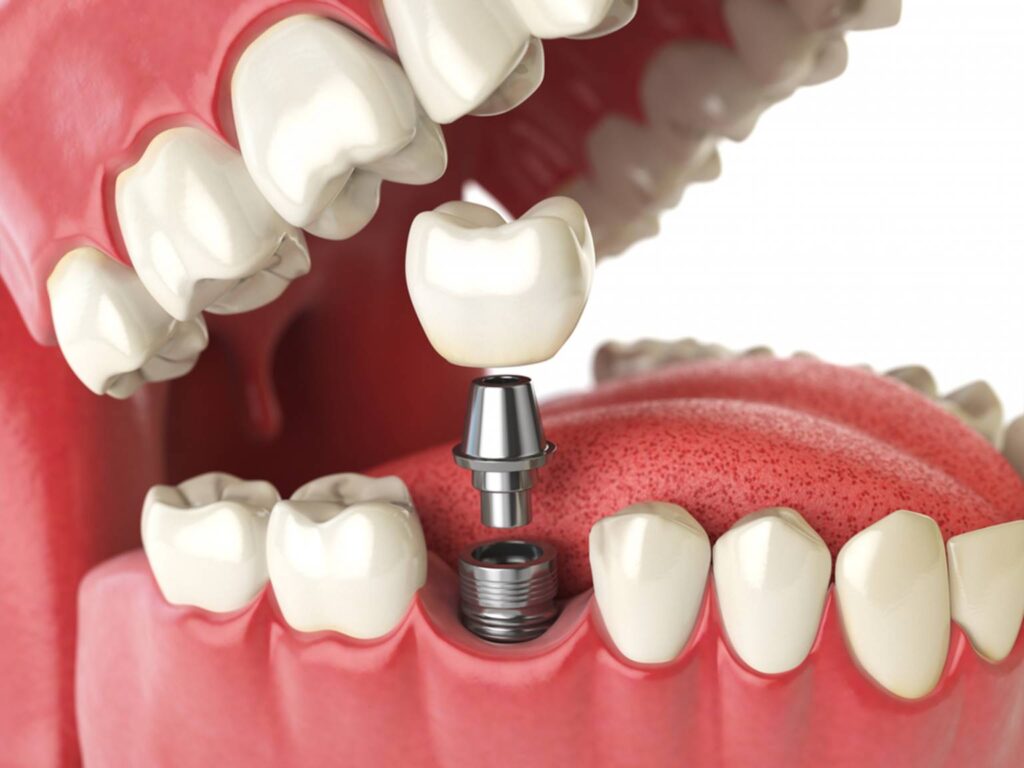
Missing teeth can affect not just your smile but also your confidence, speech, and overall oral health. Thankfully, modern dentistry offers a long-lasting solution—dental implants. But many people still wonder how dental implants work and whether the procedure is right for them. In this comprehensive guide, we’ll break down the step-by-step dental implant process, explain the healing stages, and help you understand what to expect from start to finish. What Are Dental Implants and How Do They Work? Before diving into the process, it’s important to understand what dental implants are and how they work. Dental implants are advanced tooth replacement solutions designed to mimic natural teeth in both function and appearance. A typical implant consists of three main components: The key to understanding how dental implants work lies in a biological process called jawbone integration (osseointegration). During this phase, the titanium implant fuses with your jawbone, creating a strong and stable foundation for the new tooth. This makes dental implants one of the most reliable tooth replacement options available today. Many patients also ask, are dental implants safe and how do they work—and the answer is yes, they are considered a safe and predictable solution when performed by experienced professionals. Step-by-Step Dental Implant Process (Complete Guide) If you’re curious about how do dental implants work step by step, here’s a detailed breakdown of the dental implant surgery steps and overall treatment journey. Step 1 – Initial Consultation and Evaluation The process begins with a detailed dental examination. Your dentist will assess your oral health, take X-rays or 3D scans, and determine whether you’re a suitable candidate. This stage answers the common question: Who is a good candidate for dental implants? Ideal candidates typically have: Step 2 – Tooth Extraction (If Needed) If you have a damaged or decayed tooth, it may need to be removed before starting the dental implants procedure. This is a routine oral surgery procedure that prepares your mouth for implant placement. Step 3 – Bone Grafting (If Required) Not all patients need this step, but if your jawbone lacks sufficient strength, a bone graft may be recommended. This helps create a stable base for the implant. Healing from bone grafting can take a few months and plays a crucial role in the overall dental implant treatment stages. Step 4 – Placement of Titanium Implant Post This is the most critical stage in understanding how dental implants are placed in jaw. During this procedure: This step is a core part of the dental implant surgery steps and is typically done under local anesthesia. Step 5 – Healing & Osseointegration After the implant is placed, your body begins the dental implant healing process. Over the next few months: This stage is essential to ensure long-term success and durability. Step 6 – Abutment Placement Once healing is complete, an implant abutment is attached to the implant post. This small connector holds the crown securely in place. Step 7 – Dental Crown Placement Finally, a custom-made crown is placed on top of the abutment. This completes the step by step dental implant process, restoring both function and aesthetics. Dental Implant Procedure Timeline – How Long Do Dental Implants Take? One of the most common questions patients ask is: how long do dental implants take? The dental implant procedure timeline can vary depending on individual cases, but here’s a general estimate: Overall, the answer to how long does dental implant process take from start to finish is typically 3 to 9 months, depending on complexity. Dental Implant Recovery Time & Healing Process Understanding the dental implant recovery time is crucial for proper planning. After surgery: Proper aftercare, including oral hygiene and regular check-ups, can significantly speed up recovery. What Happens During Dental Implant Surgery? If you’re wondering what happens during dental implant surgery, here’s a simple explanation: Patients often worry about the dental implant procedure pain level, but most report minimal discomfort—similar to a tooth extraction. Are Dental Implants Safe? Benefits & Risks A common concern is: are dental implants safe and how do they work in the long term? Dental implants have a high success rate (over 95%) and offer several benefits: Benefits: Risks (rare): With proper care, implants are a safe and reliable option. Benefits of Dental Implants Over Other Tooth Replacement Options Compared to traditional tooth replacement options like dentures or bridges, implants offer: This is why they are considered the gold standard in modern dentistry. Who Is a Good Candidate for Dental Implants? You may be a good candidate if you: Your dentist will evaluate your condition before recommending treatment. How Many Stages Are in Dental Implants? The full dental implant treatment stages typically include: How Long Does a Dental Implant Last? With proper care, dental implants can last 15–25 years or even a lifetime. Regular dental visits and good oral hygiene are key to longevity. Is Dental Implant Surgery Painful? Many patients ask, Is dental implant surgery painful? The procedure itself is painless due to anesthesia. Post-surgery discomfort is manageable with medication and usually subsides within a few days. FAQs About Dental Implants What are dental implants and how do they work? Dental implants are artificial tooth roots placed in the jawbone to support replacement teeth through osseointegration. Is dental implant surgery painful? No, the procedure is done under anesthesia, and discomfort is minimal afterward. How many stages are in dental implants? There are typically 6–7 stages in the complete process. How long does a dental implant last? With proper care, implants can last decades or even a lifetime. Who is a good candidate for dental implants? Anyone with healthy gums and sufficient bone density is usually a good candidate. Final Thoughts – Is the Dental Implant Process Worth It? Now that you understand how dental implants work, it’s clear why they are one of the most effective and long-lasting solutions for missing teeth. From the dental implant surgery steps to the healing process, every stage is designed to provide a durable, natural-looking result.

Cheap vs Quality Dental Implants in Abbotsford: What to Choose
Uncategorized

Cheap vs Quality Dental Implants in Abbotsford: What to Choose

When it comes to restoring your smile, many patients today are searching for affordable dental implants Abbotsford without sacrificing quality. Dental implants are one of the most effective and long-lasting solutions for missing teeth, but the wide range of pricing options often leaves people confused. Should you go for cheap dental implants Abbotsford, or invest in quality dental implants Abbotsford for long-term benefits? Understanding the difference between cost and value is crucial before making a decision. In this guide, we’ll break down everything you need to know about dental implants Abbotsford BC, including pricing, quality, risks, and how to choose the best option for your needs. What Are Dental Implants? Dental implants are artificial tooth roots that are surgically placed into your jawbone to support replacement teeth such as crowns, bridges, or dentures. They are widely considered one of the best dental restoration options available today. A dental implant typically consists of three parts: One of the key reasons implants are so popular is their excellent dental implant durability and high implant success rate. With proper care, quality implants can last decades. The implant materials quality also plays a major role in how long your implant will last. High-quality materials like titanium are known for their strength and biocompatibility, making them ideal for long-term use. Understanding Cheap Dental Implants Many clinics advertise low cost dental implants BC to attract patients looking for budget-friendly solutions. While these options may seem appealing, it’s important to understand what you’re actually getting. Cheap dental implants Abbotsford are often priced lower due to: This raises an important question: are cheap dental implants safe in Abbotsford? The answer depends on the provider. While some clinics offer genuine affordability, others cut corners, which can increase the risks of low cost dental implants, including: So while the initial tooth implant cost Abbotsford may be lower, the long-term costs can be significantly higher if complications arise. What Defines Quality Dental Implants? On the other hand, quality dental implants Abbotsford focus on long-term success rather than short-term savings. These are often referred to as premium dental implants Abbotsford, and they come with several advantages. Key features include: Quality implants offer better implant success rate, improved aesthetics, and enhanced comfort. They are designed to last longer and integrate seamlessly with your natural teeth. Cheap vs Expensive Dental Implants: Key Differences When comparing cheap vs expensive dental implants, it’s essential to look beyond the price tag. Difference Between Cheap and Quality Dental Implants Factor Cheap Implants Quality Implants Materials Lower quality High-grade titanium/zirconia Longevity Short-term Long-lasting Success Rate Lower Higher Comfort May cause issues Natural feel Cost Over Time Higher (repairs) Cost-effective The difference between cheap and quality dental implants often comes down to durability and reliability. While cheap options may save money upfront, premium solutions provide better value over time. This is where the debate of budget dental implants vs premium becomes important. Investing in quality can prevent future complications and additional expenses. Cost of Dental Implants in Abbotsford The cost of dental implants Abbotsford can vary widely depending on several factors. On average, the dental implant pricing Abbotsford may include: The total tooth implant cost Abbotsford can range from affordable to premium pricing based on complexity. What Affects Dental Implant Cost in Abbotsford BC? Several factors influence pricing, including: Understanding what affects dental implant cost in Abbotsford BC helps you make a more informed decision. Are Cheap Dental Implants Worth It? Many patients ask: are cheap dental implants worth it? The answer depends on your expectations. While cheap dental implants vs high quality implants pros and cons vary, cheaper options often come with risks. You may save money initially, but consider: In many cases, paying slightly more upfront for affordable dental implants Abbotsford that maintain quality can save you money in the long run. Benefits of Choosing Quality Implants Choosing best dental implants Abbotsford offers several advantages: These long-term dental implant benefits make quality implants a smart investment for your oral health. How to Choose the Best Dental Implants in Abbotsford If you’re wondering how to choose the best dental implants in Abbotsford, here are some tips: 1. Research Dental Implant Clinics Look for reputable dental implant clinics Abbotsford with positive reviews. 2. Check Experience Choose the best dentist for dental implants Abbotsford with proven expertise. 3. Ask About Materials Ensure high implant materials quality is used. 4. Compare Pricing Understand affordable vs quality dental implants rather than choosing the cheapest option. 5. Consultation Matters A good clinic will explain your options clearly and transparently. Finding the best affordable dental implant clinic in Abbotsford means balancing cost with quality. Affordable Dental Implants Without Compromising Quality The good news is that you don’t have to choose between cheap and expensive. Many clinics now offer affordable dental implants without compromising quality. Here’s how: Choosing affordable dental implants Abbotsford from a reputable provider ensures you get both value and durability. Final Verdict: Cheap or Quality – What Should You Choose? When deciding between cheap and premium options, it’s clear that quality matters. While cheap dental implants Abbotsford may seem attractive, they often come with risks. On the other hand, quality dental implants Abbotsford provide long-term benefits, better performance, and peace of mind. The best approach is to choose affordable dental implants Abbotsford that maintain high standards—giving you the perfect balance of cost and quality. FAQs About Dental Implants in Abbotsford 1. Are cheap dental implants worth it? They may save money initially, but often come with higher long-term risks and costs. 2. How much do dental implants cost in Abbotsford? The cost of dental implants Abbotsford varies depending on materials, complexity, and clinic expertise. 3. What is the cheapest dental implant option? Basic implants with minimal procedures are the cheapest, but may lack durability. 4. Do expensive dental implants last longer? Yes, quality dental implants Abbotsford typically offer better longevity and success rates. 5. Can cheap dental implants fail? Yes, especially if low-quality materials or poor techniques are used. Conclusion Choosing between

Scroll to Top