Medora Dental

Root Canal

Dental Extraction, Root Canal

Should I Get a Root Canal or Pull the Tooth?

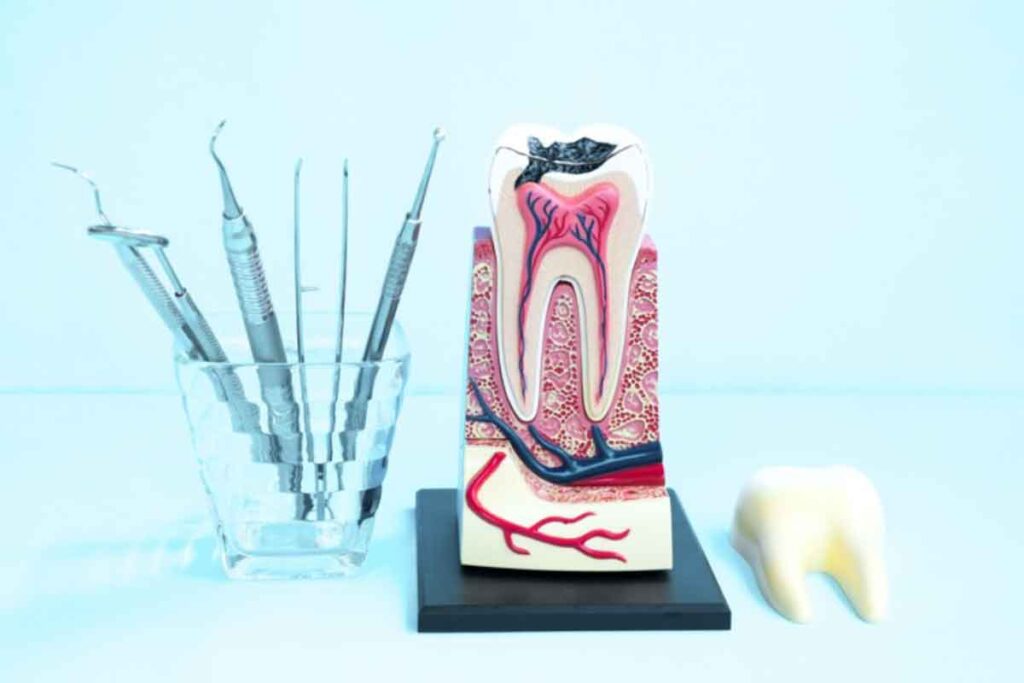
Patients with a severely damaged or infected tooth face a significant decision: root canal or tooth extraction. The cost for a root canal procedure is different from that of an extraction. The decision goes beyond just the financial aspect. The recovery time creates a major difference between these treatments. Root canal patients need only a few days to recover. The healing after an extraction takes much longer – from several weeks to months. These options also affect long-term oral health differently and can change the surrounding teeth’s structure and jawbone. Understanding everything about both procedures helps patients choose better. This piece gets into what matters most when deciding between a root canal and tooth extraction. The focus stays on immediate effects and long-term oral health consequences. This knowledge helps patients make better decisions about their dental care. Root Canal vs Tooth Extraction: Understanding Your Options A severe toothache usually means you have an infection or damage in your tooth’s pulp chamber, where the nerve sends pain signals to your brain. Patients need to understand both procedures to make informed decisions about their dental health. What happens in a root canal procedure Dentists want to save your natural tooth through root canal treatment, which involves multiple steps. The dentist numbs the affected area with local anesthesia. They protect the tooth with a rubber sheet (dam) that keeps it dry and safe from chemicals. Your dentist creates an opening in the tooth’s crown to reach the infected pulp chamber. The dentist removes damaged tissue and nerve, and cleans the root canal really well. They fill the cleaned canal with a special material called gutta-percha and seal it with cement. You’ll typically need 2-3 visits to complete the treatment. How tooth extraction works A tooth extraction removes the affected tooth from its socket in your jawbone. Your dentist starts by numbing the area with local anesthesia. They use special tools for visible teeth – an elevator loosens the tooth first, then forceps pull it out. Some teeth need surgical extraction when they’re broken at the gum line or haven’t come through. The dentist makes small cuts in your gums to reach and remove the tooth. After extraction, they clean and disinfect the socket, and sometimes add stitches to help healing. When each procedure is recommended Several key factors determine whether you need a root canal or extraction. Root canals work best for teeth with mild to moderate infections, especially front teeth and canines that have single roots. This treatment helps when your tooth structure can still be saved despite pulp damage. You might need an extraction in these situations: Your tooth decay is too severe to repair You have extreme bone loss The infection has spread too much Deep fractures exist below your gum line Your age and overall health matter too. Older patients or people with diabetes or heart disease might choose extraction because of potential risks. In spite of that, dentists try to save natural teeth whenever possible since nothing works quite like your original tooth. Immediate Impact: Pain and Recovery Comparison Understanding pain levels and recovery timelines helps patients choose between root canal treatment and tooth extraction. Recent studies reveal surprising insights about discomfort levels and healing periods for both procedures. Pain levels during procedures Modern dental techniques have reduced pain by a lot during both procedures. According to research, pain prevalence decreased substantially after root canal treatment, dropping from a mean of 81% before treatment to 40% at 24 hours post-treatment, and further declining to 11% one week after treatment. Patients experience much more discomfort during extractions than root canal therapy, according to research comparing pain levels between procedures. Several factors affect pain perception: Personal pain thresholds Tooth infection or damage severity Dentist’s expertise and techniques How well anesthesia works Both procedures use local anesthesia to minimize discomfort. Root canal cleaning might cause pressure sensations, but the procedure stays virtually painless. A patient’s pain perception changes based on anxiety management techniques and good communication with dental professionals. Recovery timeline differences Root canal recovery moves faster than extraction healing. Patients usually return to normal activities within 48-72 hours after a root canal. Pain after the procedure typically lasts 24-48 hours, though some patients report mild pain for 3-9 days. Studies show post-root canal pain affects 3% to 69.3% of patients during the first 24-48 hours. Over-the-counter pain medications work well for this discomfort. Patients might experience: Mild to moderate tenderness around the treated area Short-term sensitivity to temperature changes Slight discomfort while biting Tooth extraction recovery needs more time. The first healing phase lasts 48-72 hours, but complete jawbone recovery takes several weeks. Patients should expect: Bleeding for up to 24 hours after extraction Swelling and discomfort that decreases after day three Protective granulation tissue forms within 7-10 days Wisdom tooth extractions need longer healing periods, sometimes taking several weeks. Following specific aftercare instructions helps both procedures, especially avoiding hard work at first. Over-the-counter pain medications work well to manage discomfort after both treatments. Taking pain medication 30 minutes before root canal treatment reduces post-procedure discomfort by a lot. Good oral hygiene and following food restrictions help recovery for both procedures. Cost Factors to Consider Money matters when choosing between a root canal and pulling out a tooth. A root canal costs between CAD 960.16 and CAD 2,090.04. A simple tooth extraction is cheaper at CAD 211.79 to CAD 317.69. Root canal and crown expenses Root canal costs vary based on the tooth’s location. Front teeth work costs up to CAD 1,000. Molars can cost up to CAD 1,500. You’ll likely need a crown afterward, which adds CAD 975.35 to CAD 1,672.03 to your bill. Location plays a big role in what you’ll pay. Dentists in bigger cities may charge more than those in smaller cities. The procedure’s complexity also affects the final price. Some teeth need four or more treatments if they have multiple root canals. Extraction and replacement costs A basic tooth extraction seems cheaper at first,

Root Canal, Sedation

Do They Put You to Sleep for a Root Canal? A Dentist Explains

Do they put you to sleep for a root canal? This question comes up often, even though root canals rank among the most common dental procedures today. Many patients feel anxious about this treatment. Dental professionals don’t typically need to put patients completely asleep. They offer several sedation options to keep patients comfortable. Sedation’s main goal during root canal procedures creates a relaxed environment instead of inducing sleep. Patients can pick from multiple comfort options. These include nitrous oxide (laughing gas), conscious oral sedation, or IV sedation based on their anxiety levels and needs. This piece explains available sedation types for root canals and their effects. You’ll learn what happens during the procedure. The text also covers situations that might need complete sedation and helps you choose the best option for your case. Do They Put You to Sleep for a Root Canal? The Basic Facts Root canal procedures typically use local anesthesia. This keeps patients awake but comfortable during treatment. All the same, patients who need extra comfort or feel anxious about dental work can choose from several sedation options. Will I be completely unconscious during my root canal? You don’t need to be completely unconscious for a root canal. Your dental team can offer different levels of sedation based on what you need. These levels include: Conscious sedation: You stay awake and relaxed. You know what’s happening around you but feel minimal stress Deep sedation: This feels like ‘twilight sleep’ – like when you’re just waking up. You’re somewhat aware but not fully conscious General anesthesia: This option makes you completely unconscious and works best in specific cases Root canal treatments with conscious sedation show excellent results. Research shows a 97.5% success rate when performed under controlled sedation conditions. What are the risks of being ‘put to sleep’ for a root canal? Modern dental sedation has an impressive safety record. The risks vary depending on your chosen sedation method: Short-term risks may include: Drowsiness that lasts a while Dry mouth Nausea and vomiting Headaches Serious complications rarely happen, but risks increase especially when you have specific health conditions. Patients with large tonsils might face breathing difficulties during conscious sedation. On top of that, older patients or those getting complex procedures might experience more severe issues under general anesthesia, such as irregular heartbeat or unconsciousness. Your dental team reviews your medical history carefully to ensure your safety before suggesting any sedation options. Health conditions like high blood pressure, heart disease, asthma, lung problems, obesity, or sleep apnea can affect your sedation choices. General anesthesia procedures take place in fully equipped facilities with trained anesthesia professionals standing by. Local anesthesia vs. General anesthesia The difference between local and general anesthesia can help you make better decisions about your root canal treatment. These two approaches vary by a lot in how they work, how doctors give them, and how patients recover. Most root canal procedures use local anesthesia as their go-to choice. This method stops pain signals from reaching your brain through targeted shots near the affected tooth. Dental experts mix local anesthetics with vasopressors, mainly epinephrine, to boost their effectiveness and keep the anesthetic from moving beyond the treatment area. Your dentist starts by putting numbing medication on your gums. The local anesthetic gets injected once the initial numbness sets in. You might feel a quick pinch or burning sensation that goes away fast. The numbness usually kicks in within 10 minutes and lasts between 30 to 60 minutes. General anesthesia works differently – it puts you completely to sleep. This option works best for: Complex dental procedures that take longer Situations where local anesthesia doesn’t work because of infections People with severe dental phobia Doctors give general anesthesia through an IV or face mask. Dental offices that use general anesthesia usually don’t need a breathing tube, unlike hospital procedures. Safety Considerations: Local anesthesia has proven very safe, and most patients don’t have any bad reactions. But general anesthesia comes with higher risks, especially if you have: Advanced age Existing health issues Specific medical conditions Medical teams check each patient’s health carefully. They look at: Current medications Known allergies The type of dental work needed General anesthesia’s most common side effect makes patients feel sleepy afterward, but this usually clears up within two hours. Your throat might feel sore or you could feel queasy. Doctors can give you medicine beforehand if you’ve had these issues before. Types of Sedation Available for Root Canals Modern dentistry provides several sedation options during root canal procedures. Patients can choose comfort levels that match their specific needs. These methods range from mild relaxation to deeper sedative states and help patients manage their anxiety and discomfort. Nitrous oxide (laughing gas) Nitrous oxide is a sweet-smelling, colorless gas that remains one of dentistry’s most common sedation methods. This safe mixture combines 50-70% oxygen with no less than 30% nitrous oxide. The effects show up faster, reaching the brain within 20 seconds. Nitrous oxide’s benefits include: Increased pain threshold Reduced anxiety Minimized gag reflex Quick recovery with no hangover effects You retain control over bodily functions while staying conscious throughout the procedure. More importantly, you can drive home safely afterward. Oral conscious sedation Oral sedation uses prescribed medications like triazolam (Halcion) or diazepam (Valium). Patients take these medications about one hour before treatment. This approach creates deeper relaxation than nitrous oxide. The medication makes patients drowsy, and they might fall asleep during treatment. Notwithstanding that, they respond to verbal commands and gentle physical cues. IV sedation options Intravenous sedation puts sedative medications directly into the bloodstream. This method is the deepest form of conscious sedation available in dental settings. Dental professionals can control sedation levels precisely throughout the procedure. The dental team monitors these vital signs continuously during IV sedation: Heart rate Blood pressure Oxygen levels Patients experience a ‘twilight state’ where they stay responsive but feel detached from the procedure. This approach is a great way to get results especially when you have: Extended treatment

Cosmetic Dentistry, Crowns, Root Canal

Do I Need a Crown After a Root Canal? Essential Information for Patients

A common question many patients face after undergoing root canal therapy is whether they need a crown. The simple answer is, in most cases, yes. A crown helps protect the tooth from further damage, ensuring longevity and functionality. The necessity often depends on the tooth’s location and the extent of decay or damage before the procedure. Root canals involve removing the infected pulp within the tooth, which can significantly weaken its structure. Without proper reinforcement, such as a crown, the tooth is at increased risk of fracture. In molars, where the chewing forces are the greatest, crowns are almost always recommended to provide durability and protection. Not all root-canal-treated teeth automatically require crowns, especially if the tooth is located towards the front of the mouth. A crown can restore the tooth’s shape, appearance, and function. It seals and protects the tooth from bacteria, reducing the risk of further complications and ensuring a successful recovery. Key Takeaways Most root-canal-treated teeth benefit from crowns. Crowns provide protection and longevity. Front teeth may not always need crowns. Understanding Root Canal Therapy Root canal therapy is a dental procedure designed to treat infection or damage within the tooth’s pulp. It aims to preserve the patient’s natural tooth and eliminate pain and infection. Purpose of Root Canal Treatment Root canal treatment serves to address severe infection or damage to the tooth’s pulp. The pulp is the innermost part of the tooth, containing nerves, blood vessels, and connective tissue. When the pulp becomes infected due to decay or injury, it can cause significant pain and lead to abscesses if untreated. The primary goal of this therapy is to remove the infected pulp, clean the inside of the tooth, and seal it to prevent further infection. Following the removal of the infected pulp, a tooth may become more fragile. Often, a permanent filling or crown is used to offer additional protection and restore functionality. Root canals can prevent the need for tooth extraction and help maintain the natural structure of the patient’s mouth. Procedures in Root Canal Therapy The initial step in root canal therapy involves the dentist or endodontist examining and taking X-rays of the tooth to determine the extent of the infection. Afterward, a local anesthetic is applied to numb the area around the affected tooth. Next, the dentist creates an opening through the crown of the tooth to access the infected pulp. Using specialized instruments, they remove the pulp, clean the root canals, and shape them for filling. Once the cleaning is complete, the canals are filled with a rubber-like material called gutta-percha. To finish the procedure, a temporary filling is placed to seal the opening. In many cases, to provide added strength and function, a crown may be recommended after the root canal therapy to restore the tooth to its full functionality and durability. The Role of Dental Crowns Dental crowns play a crucial role in restoring teeth after significant dental procedures such as root canals. They not only protect the treated teeth but also improve their appearance, ensuring both functionality and aesthetics. Protection After Root Canal A tooth that has undergone a root canal can become weak and brittle. This is especially true for molars, which endure heavy chewing forces. For this reason, fitting a crown after a root canal on a molar is often essential to prevent fractures and further decay. Crowns act as a shield, covering the treated tooth entirely. This protective layer helps distribute the biting forces evenly across the tooth, minimizing the risk of damage. A dentist typically recommends this when reduced tooth structure is insufficient to handle daily wear and tear. Without a crown, a molar that has had a root canal is more susceptible to breaking, which could lead to the need for additional dental work. Ensuring the longevity of the repair, crowns effectively prolong the usability and health of the tooth. Aesthetic Considerations for Crowns Besides protection, crowns provide significant aesthetic benefits. When a front tooth undergoes a root canal, preserving its appearance is crucial. Crowns are designed to match the color and shape of natural teeth, ensuring a seamless look. A crown can cover discoloration or imperfections caused by extensive dental work. This is vital for maintaining an appealing smile. For front teeth, the aesthetic requirement is higher, as these teeth are visible when talking and smiling. Modern dental materials, such as porcelain and ceramic, allow crowns to mimic the translucency and natural shine of original teeth. Thus, they serve a dual purpose—reinforcing the structural integrity of the tooth and enhancing its visual appeal. Determining the Need for a Crown Choosing whether to get a crown after a root canal depends on various factors, such as the tooth’s location and the extent of the damage. This section covers how these factors come into play and the differences between molars and front teeth in requiring a crown. Factors Influencing the Requirement for a Crown Several elements contribute to the decision to use a crown after a root canal treatment. Key factors include the extent of tooth damage, tooth location, and the patient’s dental history. A tooth that has undergone significant structural loss is more likely to need a crown. Teeth that serve a primary function in chewing, like molars, are at higher risk of fractures without a crown. In contrast, less stressed teeth, such as front teeth, may sometimes avoid a crown if they are still structurally sound. Additionally, a patient’s dental habits, such as grinding teeth (bruxism), can also influence this decision. Assessment by Location: Molars vs. Front Teeth Crowns are nearly always recommended for molars after root canal treatment due to the heavy chewing forces these teeth endure. Molars, being in the back of the mouth, take on significant pressure which can lead to fractures or breaking if not adequately protected by a crown. Front teeth, on the other hand, are less likely to require a crown given their lower load-bearing role. A dentist may decide against a crown if the front

Scroll to Top