
Quick answer: Most dental crowns last 5 to 15 years, and many last longer with good care. Metal crowns often last longest, while porcelain and zirconia crowns commonly give 10 to 15 years. How long yours lasts depends on the material, the tooth, your bite and how well you clean around the crown’s edge.
If you already have a crown, or your dentist has recommended one, the question that follows is how long it will be before you have to pay for it again. The honest answer is a range, not a date. A well-made crown on a healthy tooth can outlast the range, and a crown on a tooth with gum disease or heavy grinding can fall short of it. This guide explains what shapes the lifespan, which warning signs mean a crown needs attention, what replacement involves, and what it costs in BC. If you’re still deciding whether you need one, start with our dental crowns page.
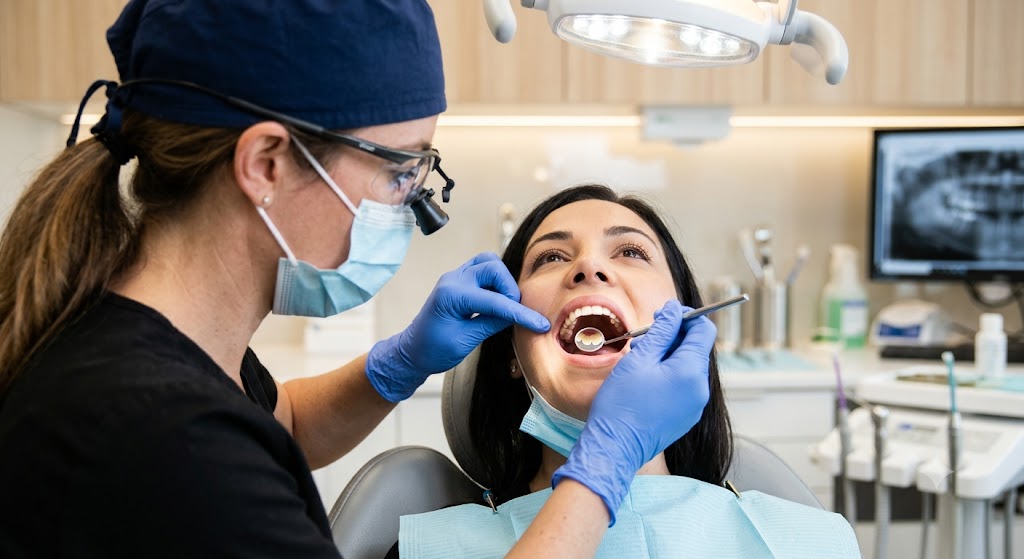
How Long Does a Dental Crown Last?
A dental crown typically lasts 5 to 15 years, and well-cared-for crowns often last longer. The material is one of the biggest factors. These are commonly cited ranges from dental sources, not guarantees:
| Crown material | Commonly cited lifespan |
|---|---|
| Gold or metal alloy | 20 years or more |
| Zirconia | 10–15 years or longer |
| Porcelain-fused-to-metal (PFM) | 5–15 years |
| All-ceramic / e.max | 10–15 years |
| Same-day (CEREC) ceramic | 10–15 years |
Gold and other metal alloys resist fracture very well, but few patients choose them for visible teeth. Tooth-colored crowns trade a little durability for a natural look, which is why dentists often match the material to the tooth. Our guide to dental crown types and costs compares the options in more detail.
Because these figures come from a range of sources and vary by patient, treat them as a planning guide. Your dentist can tell you how long your specific crown is likely to last once they’ve seen the tooth and your bite.
Are Dental Crowns Permanent?
A permanent crown is cemented in for good, but it isn’t forever. “Permanent” simply means it’s the final crown rather than the temporary one worn for a few weeks while the lab makes it. Temporary crowns aren’t built to last, so don’t treat one as a long-term solution. If you want to know what to expect at each appointment, read our post on what to expect when getting a crown.
What Affects How Long a Crown Lasts?
Several factors decide whether a crown reaches the long end of the range:
- Oral hygiene. Decay at the edge where the crown meets the tooth is one of the most common reasons crowns need replacing. The crown itself can’t decay, but the tooth underneath can.
- Gum health. Gum disease and receding gums expose the crown’s margin and the root surface below it. Our periodontal treatment page explains how gum problems are managed.
- Grinding and clenching. Heavy bite forces can chip porcelain or crack the tooth beneath. A night guard helps, and our neuromuscular dentistry page covers jaw tension and bite problems.
- Diet and habits. Chewing ice, hard candy or pens, or opening packages with your teeth, puts sudden force on a crown.
- The health of the tooth underneath. A crown is only as strong as the tooth supporting it. A tooth that was badly cracked before treatment is harder to keep. See our cracked tooth repair page for how those cases are handled.
- Fit and quality. A crown with a gap at the edge can let bacteria in, and a crown that sits “high” can overload the tooth.
How long does a crown last after a root canal?
A crown on a root canal-treated tooth generally follows the same 5 to 15 year range. A root canal-treated tooth can become brittle, so the crown works as protection, and a loose or leaking crown matters more because bacteria can reach the sealed canals. Our post on whether you need a crown after a root canal explains why, and our root canal guide covers the treatment itself.
Do front-tooth crowns last as long as molar crowns?
There’s no fixed rule. Molars absorb heavy chewing forces, while front-tooth crowns face less chewing load but can chip from biting hard foods or from an accident. Both fall within the typical range, and the right material depends on the tooth and your bite.
Signs Your Dental Crown Needs to Be Replaced
A crown rarely fails without warning. Watch for these signs, and use the urgency column to decide how quickly to call:
| Sign | What it may mean | How soon to call |
|---|---|---|
| Swelling, a pimple on the gum, fever or a bad taste | Infection under the crown | Same day |
| Crown is loose, wobbles or falls off | Failed cement or decay underneath | Same day |
| Pain when you bite | Cracked tooth, high bite, decay or infection | Within a few days |
| Chip, crack or sharp edge | Damaged crown | Within a few days |
| Gum bleeding or odor around the crown | Gum disease or decay at the edge | Within a week |
| Food keeps catching at the crown’s edge | Gap or open margin | Within a week |
| Dark line at the gumline | Receding gum exposing the crown margin | Next checkup |
| Worn-through spot or visible metal | Crown wearing thin | Next checkup |
If a crown comes off, keep it, avoid chewing on that side and don’t try to glue it back on yourself. Our guide to handling a broken tooth lists the immediate steps. For swelling or severe pain, our emergency dentistry page explains how urgent visits work.
What Happens When a Crown Is Replaced?
Replacing a crown is similar to getting a new one, with one important extra step: the dentist first needs to see the tooth underneath. A typical replacement follows this order:
- Exam and X-ray. Your dentist checks the tooth, the gum and the bone around the crown.
- Numbing and removal. The old crown is carefully removed, often by sectioning it, so the tooth underneath is not damaged.
- Tooth assessment. Any decay is removed, and a core build-up may be needed to rebuild the tooth.
- Impression or scan. The dentist records the shape of the prepared tooth.
- Temporary crown. A temporary protects the tooth while the lab makes the new one.
- Final fitting. The new crown is cemented once the fit and bite are right.
Not every problem calls for a new crown. If the crown is intact and simply came loose, it can sometimes be cemented back on. Minor chips can occasionally be smoothed or bonded, but cracks usually need a new crown.
When the tooth under the crown can’t be saved
Sometimes decay or a crack has gone too deep. Depending on what the dentist finds, the options may be a root canal, or removing the tooth and replacing it. If that happens, compare dental implants and bridges in our guide to implants vs. bridges.
How Much Does It Cost to Replace a Dental Crown in BC?
A replacement crown is billed much like a new one. The BC Dental Association’s 2026 suggested fee guide lists a porcelain or ceramic crown at $1,104 plus a separate lab fee, and a cast metal crown at $1,025 plus lab. A core build-up adds $230 when the tooth needs rebuilding, and re-cementing a crown that has come loose is $108 per unit of time. Dentists set their own fees, so these are benchmarks rather than a quote, and removing the old crown can add to the bill.
Check your insurance before you book. Many plans only cover a replacement after a set number of years, often five or more, so a crown that fails early may not be covered. Ask your insurer for a pre-determination, and read our post on using your dental benefits before year-end deadlines to plan the timing.
How Your Dentist Checks an Existing Crown
Most crown problems can’t be seen or felt in the early stages, which is why a routine exam matters even when the crown feels fine. During a checkup your dentist will typically:
- Feel the crown’s edge with an instrument to find gaps, rough spots or soft areas where decay may be starting.
- Take bitewing X-rays, which show decay at the margin and changes in the bone around the tooth that you can’t see in the mirror.
- Check your bite for a high spot or uneven wear that could overload the crown.
- Measure the gum pockets around the crowned tooth to catch gum disease early.
- Look for grinding wear on the crown and the teeth beside it, which may mean a night guard would help.
Catching a small problem at this stage often means a minor fix, such as adjusting the bite or treating decay at the edge, rather than a full replacement. If you can’t remember when your crown was last checked, that’s a good reason to book an exam.
How to Make Your Dental Crown Last Longer
Most of what extends a crown’s life is daily habit:
- Brush twice a day with fluoride toothpaste, paying attention to the gumline around the crown.
- Floss daily. Thread floss through and pull it out sideways instead of lifting it, or use a water flosser.
- Skip ice, hard candy and sticky foods, which can crack or pull at a crown.
- Don’t use your teeth as tools for opening packages or biting thread.
- Wear a night guard if you grind or clench your teeth.
- Treat gum problems early, because receding gums expose the crown’s edge.
- Keep your checkups, typically every six months, so small issues show up on exams and X-rays before they hurt.
- Fix a loose crown immediately. Bacteria can reach the tooth in the gap and make a simple fix much larger.
If you’re weighing a crown against another restoration, you may also want to read how long porcelain veneers last and how long dental bridges last.
Dental Crown Lifespan FAQs
How long do dental crowns last?
Most dental crowns last 5 to 15 years, and many last longer. Gold and metal crowns often last longest, while porcelain and zirconia crowns commonly give 10 to 15 years.
Can a dental crown last a lifetime?
It can, particularly a metal crown on a healthy tooth with good hygiene, but it shouldn’t be expected. Plan for 5 to 15 years and treat anything beyond that as a bonus.
How often do crowns need to be replaced?
There’s no set schedule. A crown is replaced when it is damaged, loose, worn, or has decay or gum problems around it, and regular checkups catch these early.
Are tooth crowns permanent?
A final crown is cemented in permanently, but it can wear out or fail. A temporary crown is only meant to last a few weeks.
What is the most common reason a crown fails?
Decay at the crown’s edge is among the most common, followed by gum disease, a cracked tooth and a loose crown from failed cement.
Can a crown be repaired instead of replaced?
Sometimes. A loose crown can often be re-cemented, and a small chip may be smoothed or bonded. Cracks usually need a new crown.
Does insurance cover crown replacement?
Many plans cover replacement only after a set number of years, so ask your insurer before you book.
Check Your Crown at Medora Dental Care
If your crown feels loose, hurts when you bite, or it’s been a while since your last exam, a quick check can tell you whether it needs attention. Contact Medora Dental Care or call (604) 746-1295 to book an exam, and see our dental crowns in Abbotsford page for more.
Sources and notes: Fees are from the BC Dental Association 2026 Abbreviated Suggested Fee Guide (effective February 1, 2026). Lifespan ranges reflect figures commonly published by dental sources and vary by patient.