
Replace one tooth, several teeth or a full arch with implants that look, feel and work like natural teeth. Dr. Ash and our Abbotsford team plan every case step by step, from your first consultation to your final crown.
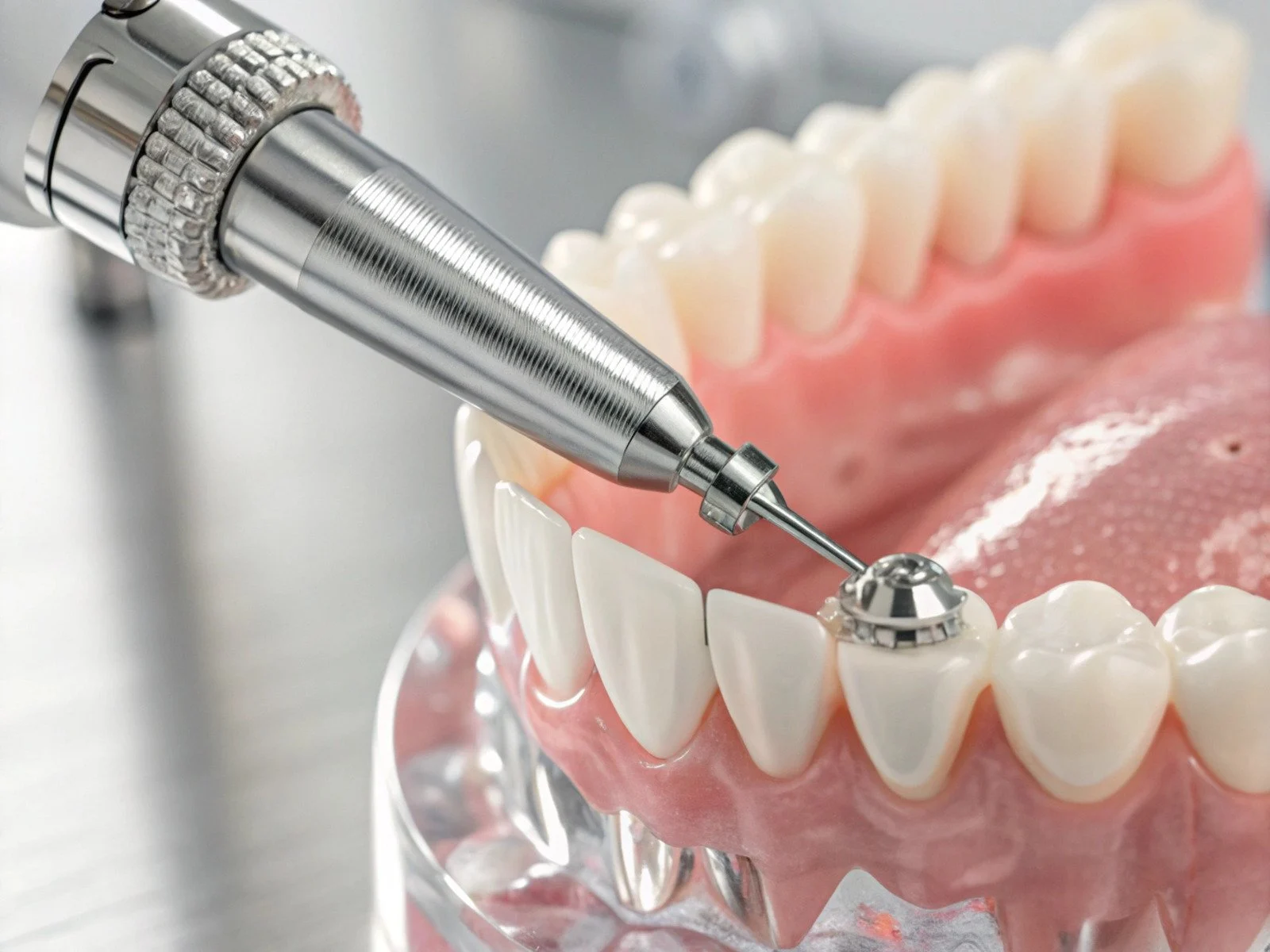
Missing teeth affect how you eat, speak and smile. A dental implant replaces the tooth root as well as the crown, so it feels and works like a natural tooth. Dr. Ash and our Abbotsford team plan every implant carefully, from your first scan to your final crown, using 3D imaging for precise placement. We will also tell you honestly if a bridge or denture suits you better.
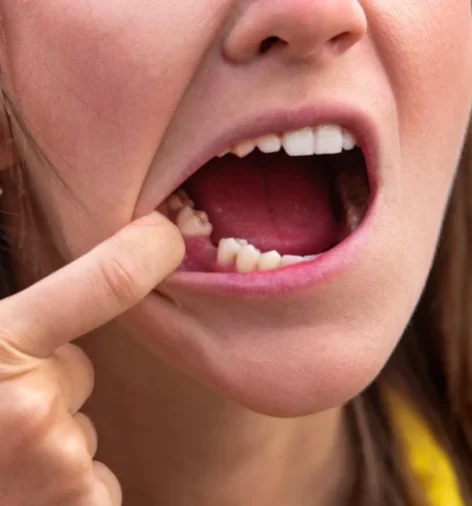
Many adults with missing teeth qualify, but an exam and 3D scan confirm it. You may be a candidate if:
Told you don’t have enough bone? Don’t give up. A bone graft or sinus lift can often rebuild the foundation, and a 3D scan shows exactly what you need.

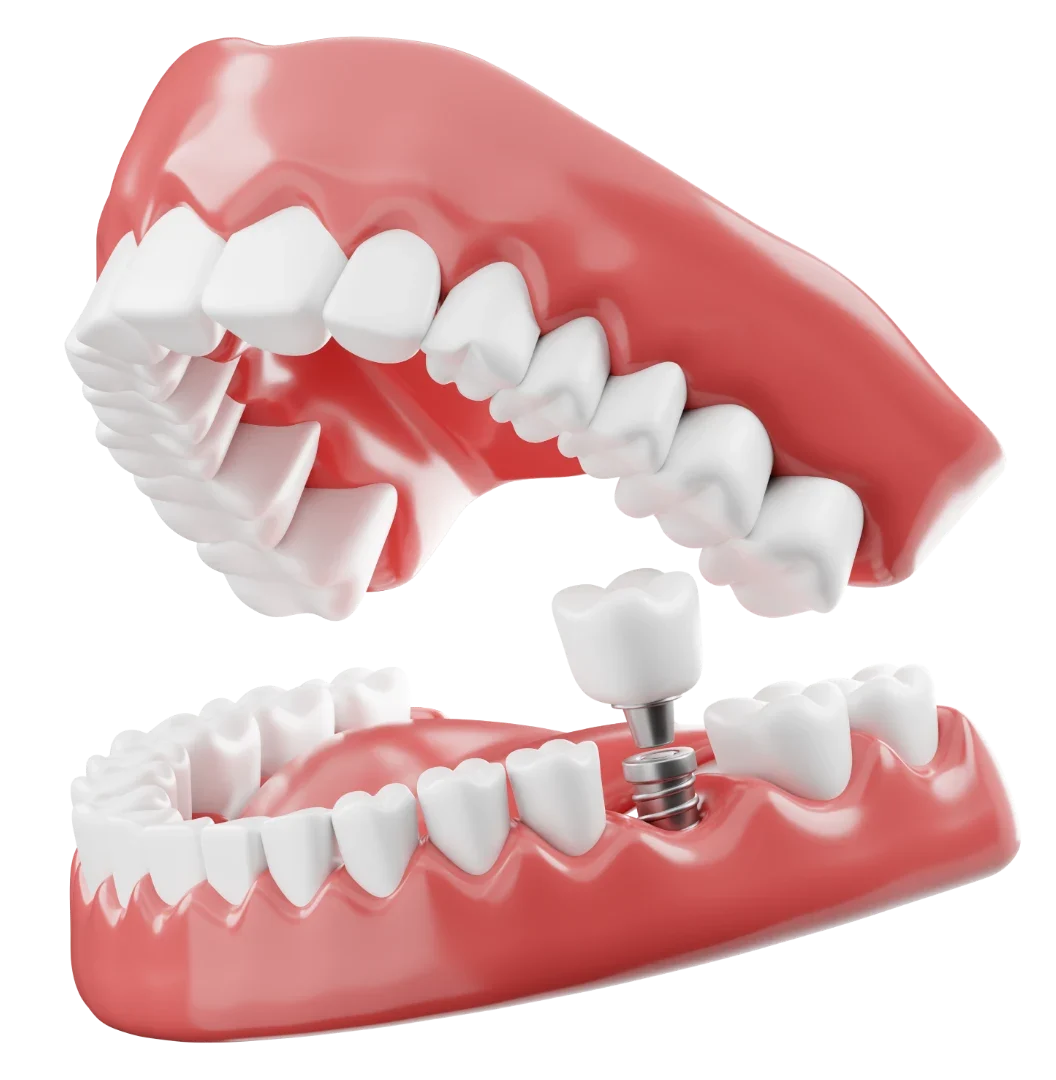
Implants solve the problems of bridges and dentures by replacing the root, not just the visible tooth.

Unlike a bridge, an implant doesn’t need healthy neighbouring teeth to be filed down. Unlike a denture, it doesn’t slip, click or need adhesive, so you can speak, laugh and eat with confidence.
Let’s walk through what you can expect when you choose dental implants at our Abbotsford dental clinic:

We start with an exam and 3D imaging to check your oral health and bone density, then plan the ideal implant position.

If needed, we first remove a failing tooth, graft bone or treat gum disease, so your implant has a healthy, stable foundation.

The titanium implant is placed in the jawbone, usually under local anesthesia, with sedation options for your comfort. You go home the same day.

Over 3 to 6 months, your jawbone bonds to the implant (osseointegration), creating a solid root for your new tooth.

We attach an abutment, the connector for your crown, then fit your custom-made crown, bridge or denture and check your bite.
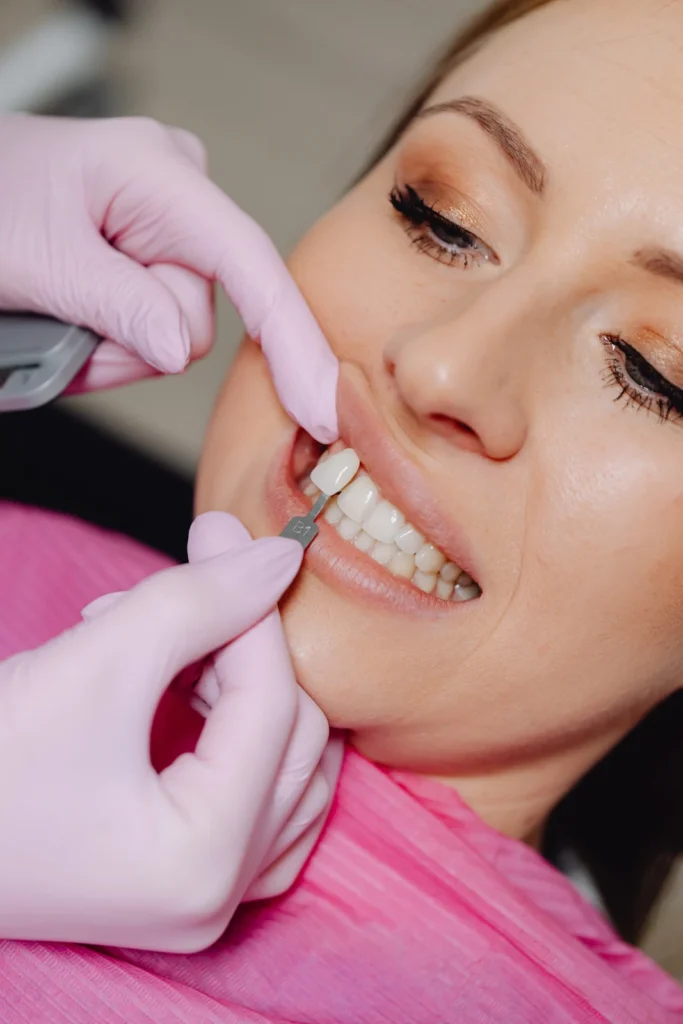
Behind every great smile is a team that makes the magic happen:
Dr. Ash Soufi, DMD, DDS
With over 16 years of experience, Dr. Ash provides gentle, patient-focused care in general, cosmetic, and restorative dentistry.

Kristie
Registered Dental Hygienist
Registered Dental Hygienist focused on gentle, preventive care and patient comfort.

Sandeep, RDH
Registered Dental Hygienist

Pam, CDA
Dental Administrator

Kaylyn
Dental Administrator

Samantha
Dental Administrator
Dental receptionist focused on patient comfort, communication, and care coordination.

Tasha
Office Manager
Office Manager with 20+ years of experience supporting patients and clinic operations.

Jayden
Certified Dental Assistant

Katie, CDA
Certified Dental Assistant


 Trustindex verifies that the original source of the review is Google.
 Trustindex verifies that the original source of the review is Google.
 Trustindex verifies that the original source of the review is Google.
 Trustindex verifies that the original source of the review is Google.
 Trustindex verifies that the original source of the review is Google.
The procedure is done under local anesthesia, so you should feel pressure but not pain. Sedation is available for anxious patients. Afterwards, expect soreness and swelling for a few days, which most people manage with the pain relief we recommend. Call us if pain gets worse after the first few days.
Yes, dental implants are a long-term solution that can last decades. They improve chewing, speech, and appearance while preventing bone loss, making them a valuable investment.
The main types of dental implants are endosteal implants, subperiosteal implants, and zygomatic implants. Endosteal implants are the most common and are placed directly into the jawbone.
Medora Dental Care is conveniently located at 110-1910 N Parallel Rd, Abbotsford, BC. We serve patients across Fraser Valley and surrounding areas. Call (604) 746-1295 or book online — we often have same-week openings.
Most people return to normal activities within a day or two and eat soft foods for the first week. You can usually eat normally within a few weeks, avoiding hard food on the implant site. The bone takes several months to fully bond, so we guide you step by step.
Failures are uncommon, but they can happen when the bone does not bond properly or an infection develops around the implant. Signs include pain, looseness, swelling or bleeding at the site. Call us promptly. Often the implant can be removed, the area healed and a new one placed.
The cost varies depending on the number of implants, necessary preliminary procedures, and the type of restoration. While implants represent a higher initial investment than bridges or dentures, their longevity and benefits often make them more cost-effective in the long run. We offer financing options to help make this investment in your health more accessible.
In some cases, immediate loading protocols like “teeth in a day” are possible, particularly with All-on-4® treatment. However, even with these approaches, the final restoration is typically placed after complete healing. During your consultation, we’ll discuss whether you’re a candidate for accelerated treatment options.
Dental implant surgery is performed under local anesthesia, so it is not painful. Mild discomfort after the procedure can be managed with medication.
Dental implants and dental bridges both replace missing teeth, but implants offer long-term stability and help preserve jawbone health. Compare dental implants vs dental bridges to learn which option may be right for you.
Implants may not suit people with uncontrolled diabetes, active gum disease, certain medical conditions or medications, or who smoke heavily, until these are managed. Children and teens whose jaws are still growing should wait. Your health history and imaging tell us if you are suitable, and we treat gum disease first if needed.
Brush twice a day, clean between your teeth daily and see us for regular check-ups. An implant cannot decay, but the gums and bone around it can still become infected. Do not smoke, and tell us if you grind your teeth so we can protect your crown.

